Is Car Insurance Cheaper in My Winter State
Snow and ice don't set your rate on their own. What your state does about them, and how often drivers there file claims, is what matters.
Free to compare
It depends on the state, not the season
Living somewhere with real winters doesn't automatically make your car insurance cheaper or more expensive. Insurers price risk based on what actually happens to cars and drivers in your state, and that includes weather, but it also includes how people drive in it, how often they crash, how expensive repairs are there, and what the state requires you to carry.
Some winter states have lower rates because fewer people total their cars and claims get resolved without lawsuits. Others have higher rates because snow and ice lead to more accidents, more claims, and more payouts, even though the summers are mild. There's no single answer that holds for every state with a cold winter.
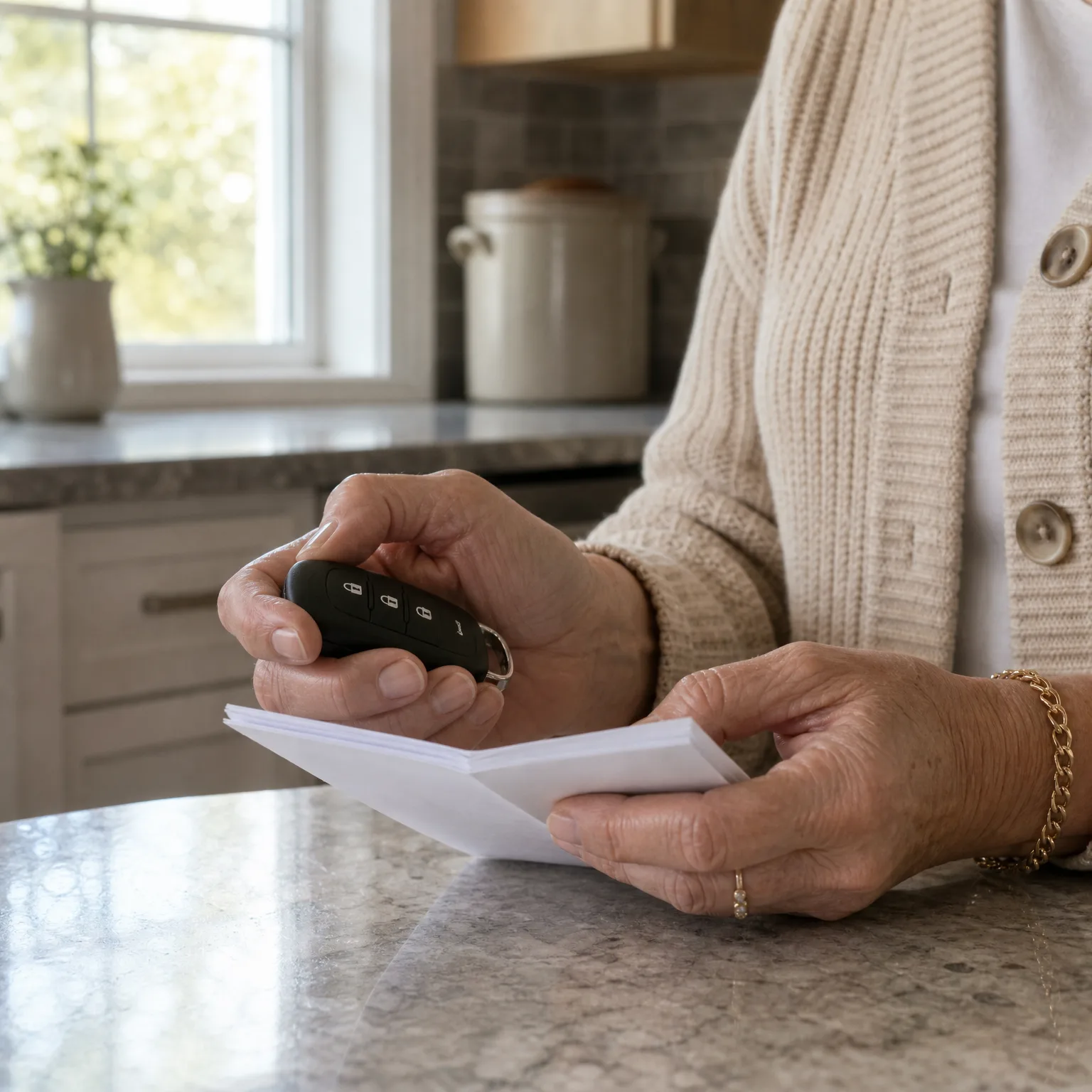
Your state's claim history matters more than its weather
Insurers set rates by looking at what claims actually cost in your state, not by assuming anything about snow. A state where winter driving leads to frequent fender benders and totaled cars will usually have higher rates, no matter how often you personally drive carefully.
Two states can get the same amount of snow and have very different insurance costs. One might have wide roads, good plowing, and low accident rates. The other might have narrow roads, less snow removal, and a higher rate of claims every winter. The weather is similar. The outcome for insurers isn't.
If you want to know how your state compares, ask your insurer or agent how your state's claim frequency and average payout compare to others. That's the number that actually moves your premium, not the average snowfall.
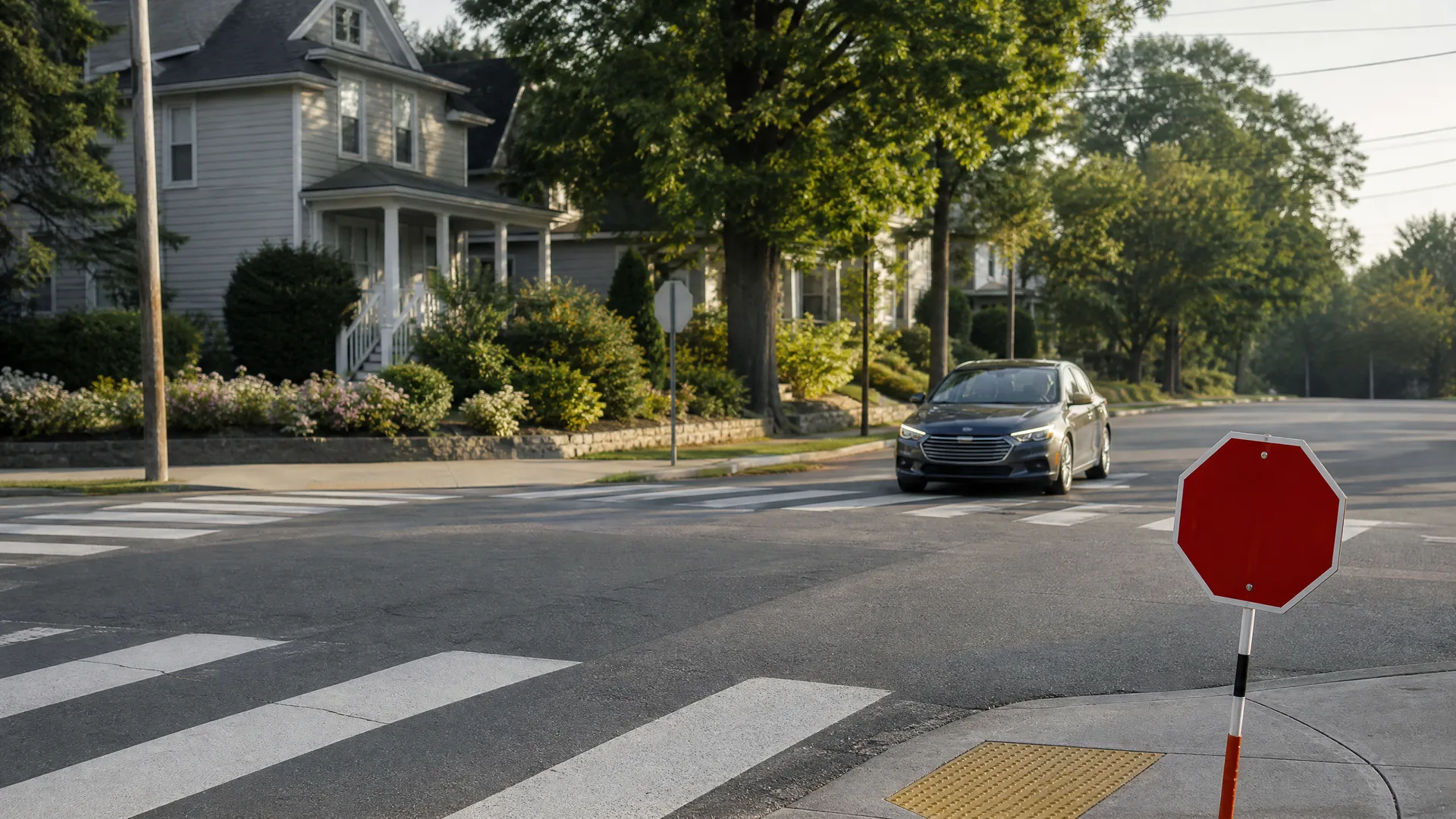
What you do about winter conditions affects your own rate
Even within a winter state, your own driving record carries more weight than the fact that you live there. A clean record through several winters tells an insurer more about you than the state's average ever will.
Some insurers ask about or reward things like winter tires, garage parking, or reduced mileage during icy months. None of this is guaranteed and it varies by company, so ask your insurer directly whether anything you do to handle winter driving is reflected in your premium.
If you've had a winter-related claim, like a slide-off or a collision on ice, that will affect your rate more than the fact that winters happen where you live. The claim is specific to you. The season isn't.
Questions people ask about this
Do I need special insurance for winter driving?
No, there's no separate winter policy. Your regular auto policy covers winter accidents the same way it covers any other collision. What changes is how likely a claim becomes, not what kind of coverage you need. Check your policy for your comprehensive and collision coverage, since those are the parts that typically pay for weather-related damage like a cracked windshield or a slide into a guardrail.
Does moving to a warmer state lower my car insurance?
It depends on the state you're moving to, not just the climate. Insurance rates are set by each state's own mix of accident rates, repair costs, claim costs, and legal rules, and warm states can have high rates for reasons that have nothing to do with ice or snow, like traffic density or higher rates of uninsured drivers. Ask for a quote based on your actual new address before assuming a warmer state means a lower bill.
Will my rate go up every winter?
Not automatically. Your premium is usually set for the length of your policy term and doesn't shift with the seasons unless you file a claim or your policy renews with new pricing. If your insurer adjusts rates seasonally or regionally based on winter claims trends in your state, that would show up at renewal, so ask your agent whether your insurer does that.
Does my car matter more in a winter state?
Yes, in the sense that some vehicles handle winter conditions and repairs differently, and insurers price that in. A car with all-wheel drive or a strong safety record may cost less to insure in a snowy state than one without, but this varies by make and model. Ask your insurer how your specific vehicle is rated where you live.
Should I drop collision coverage in a state with mild winters?
That depends on your car's value and your own finances, not the weather. Collision coverage pays for damage to your own car regardless of the cause, and mild winters don't eliminate other reasons you might need it, like another driver hitting you. Talk to your insurer about what dropping it would actually save you and what you'd be giving up.
See what drivers in your state are actually paying before you assume the weather explains your rate.
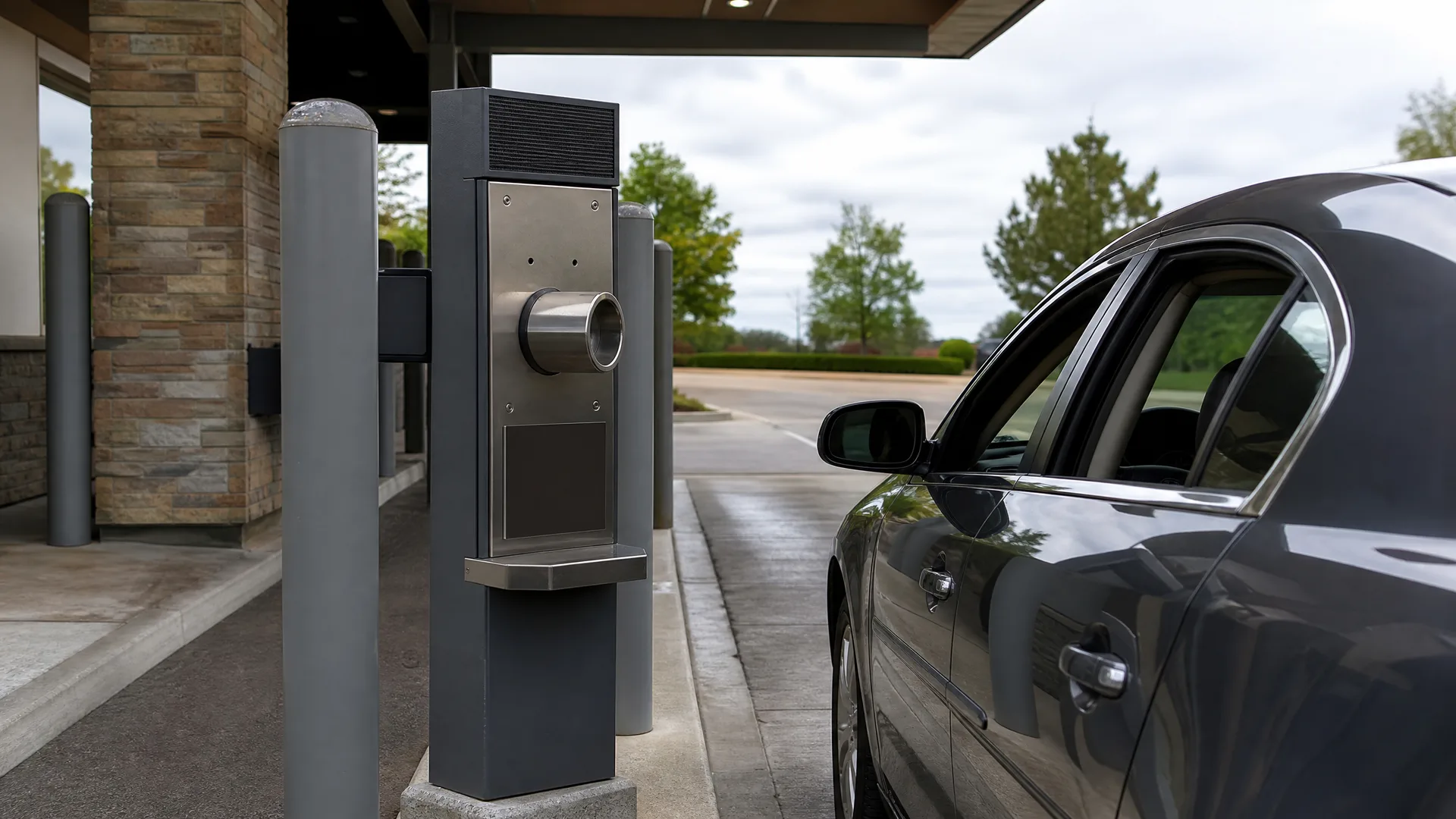
Pull up your current renewal notice and look at what you're paying now. Call your insurer or agent and ask them directly how your state's claim history and weather patterns factor into your rate, and whether anything you do, like winter tires or garage parking, is reflected in the price. If you're comparing a move, get a quote based on the exact address you're considering rather than guessing from the state's reputation. Ask specifically whether your premium is tied to your zip code or rated more broadly across the state, since that changes how much a move within the same state could affect you. Keep a copy of your driving record handy, since that will matter in any quote conversation.