Is Full Coverage Car Insurance Really Worth It?
It's worth it when your car is worth enough to protect and not worth it once the car isn't.
Free to compare
It depends on what your car is worth
Full coverage makes sense when your car has enough value that repairing or replacing it would be a real financial hit. It stops making sense once the car is worth so little that the payout, after your deductible, wouldn't cover much of anything.
There's no rule that says you need full coverage once you pass a certain age. What matters is the math on your specific car. If you have a loan or lease, your lender likely requires it anyway, so the question doesn't come up. Once the car is paid off, it's yours to decide.
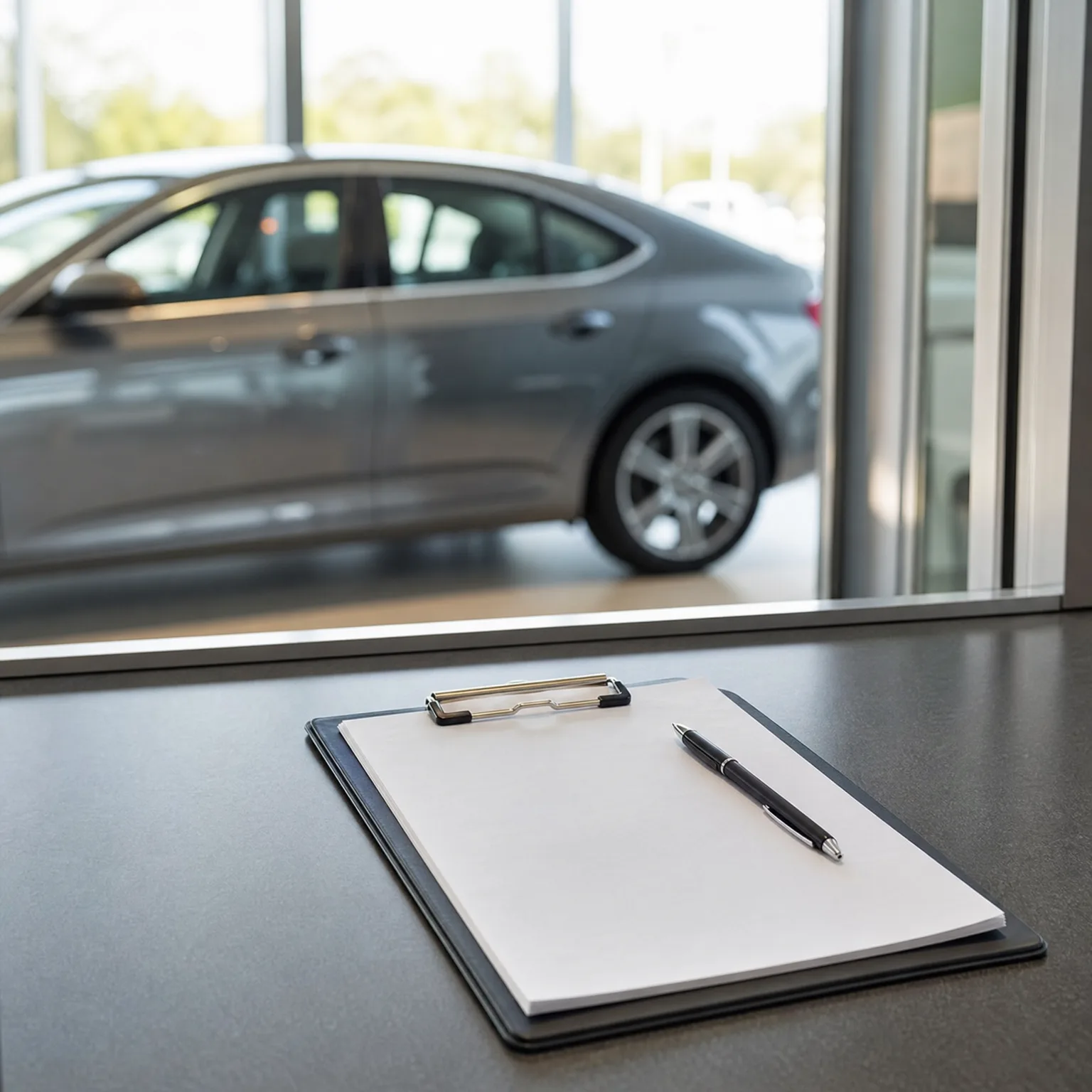
What your car is actually worth right now
Cars lose value every year, and the premium for full coverage doesn't always drop at the same pace. At some point you're paying a steady amount to insure a car that's worth less than a few years of those payments combined.
A rough way to check: look up what your car would sell for today, then compare that to what you're paying for comprehensive and collision coverage over a year. If the annual cost is a sizable chunk of the car's value, that's worth sitting with.
This isn't about age. A driver in their thirties with an old paid-off car faces the same math as a driver in their seventies with the same car. The car's value is what decides it, not whose hands are on the wheel.
If you're not sure what your car is worth, your insurer can usually tell you what it would pay out in a total loss claim. That number is more useful than a guess.
What you could cover yourself if something happened
Full coverage protects you against two things liability insurance doesn't: damage to your own car in an accident you caused, and damage from things like weather, theft, or hitting an animal. Dropping it means you'd pay for those out of pocket.
The question isn't just what the car is worth. It's whether losing that amount of money at once would be hard for you. Someone with savings set aside for exactly this kind of thing can carry more risk themselves. Someone who'd need to borrow or go without a car entirely might want the coverage even on an older vehicle.
This is a personal number, not a general one. It depends on your savings, your other expenses, and how much a surprise repair bill or car replacement would actually disrupt things for you.
It's also worth checking your deductible against this same question. A high deductible on full coverage means you're already covering a chunk of any claim yourself, which changes how much the coverage is really buying you.
Questions people ask about this
When should I drop full coverage on an older car?
Many people drop it once the car's value falls below what they'd be comfortable losing without insurance. There's no set point where this happens automatically. Check your car's current value against what you're paying each year, and decide from there.
Does full coverage cost more as you get older?
It depends on your insurer and your driving record, not your age alone. Some insurers adjust rates for older drivers, others focus more on your claims history and the car itself. Ask your insurer directly what's driving your premium if it's changed.
What happens if I drop full coverage and then total my car?
You'd be responsible for the full cost of replacing your car yourself. Liability coverage, which you'd still need to keep, only pays for damage you cause to someone else's car or property, not your own.
Can I switch between full coverage and liability only each year?
In most cases you can change your coverage at any renewal or even mid-policy, since it's your decision as the policyholder. Call your insurer to ask what the process is and whether changing mid-term affects anything else on your policy.
Does the type of car I drive change whether full coverage is worth it?
Yes. A car that's expensive to repair, like one with a lot of electronics or body damage that's costly to fix, can make full coverage worth keeping even as it ages. Ask your insurer or a mechanic what typical repair costs look like for your make and model.
See what full coverage and liability-only would each cost for your car before you decide.

Look up what your car is worth today using a trade-in or valuation tool, then find your last renewal notice and see what you're paying for comprehensive and collision specifically. Compare that yearly cost to the car's value. If you have savings you could use to replace the car outright, factor that in too. Call your insurer and ask what they'd actually pay out if the car were totaled, since that number is more accurate than an estimate. Once you have both numbers in front of you, the decision usually becomes clear on its own.