Is It Better to Have a Car Totaled or Repaired
Neither outcome is better on its own. It depends on what the car owes you versus what it would cost to fix.
Free to compare
It depends on the payout versus the car's value to you
A totaled car isn't a loss by default and a repaired car isn't automatically the win. If the insurer's payout covers what you need to replace the car, or pay off what you owe on it, a total loss can leave you in a fine position. If the car was running well, paid off, and cheap to insure, a repair that brings it back to the same condition can be the better outcome.
What tips it one way or the other is usually the gap between the payout and what you'd have to spend to get an equivalent car, plus whether the repair will fully restore the car or leave it with problems down the line.

What you still owe on the car
If there's a loan or lease on the car, the payout goes toward that balance first. When the payout is less than what you owe, you're left covering the difference out of pocket, which makes a total loss the worse outcome even if the settlement looks reasonable on paper.
If the car is paid off, this problem doesn't exist. The payout is yours to put toward a replacement or anything else, which is part of why a total loss can work out fine for someone who owns their car outright.
Check your loan or lease balance before you decide anything. If you carry gap insurance, ask your insurer or lender how that applies here, since it can cover the difference between the payout and what you owe.
If you're on the fence about letting the insurer total the car versus pushing for a repair, your loan balance is usually the first number to look at.
Whether the repair will hold up
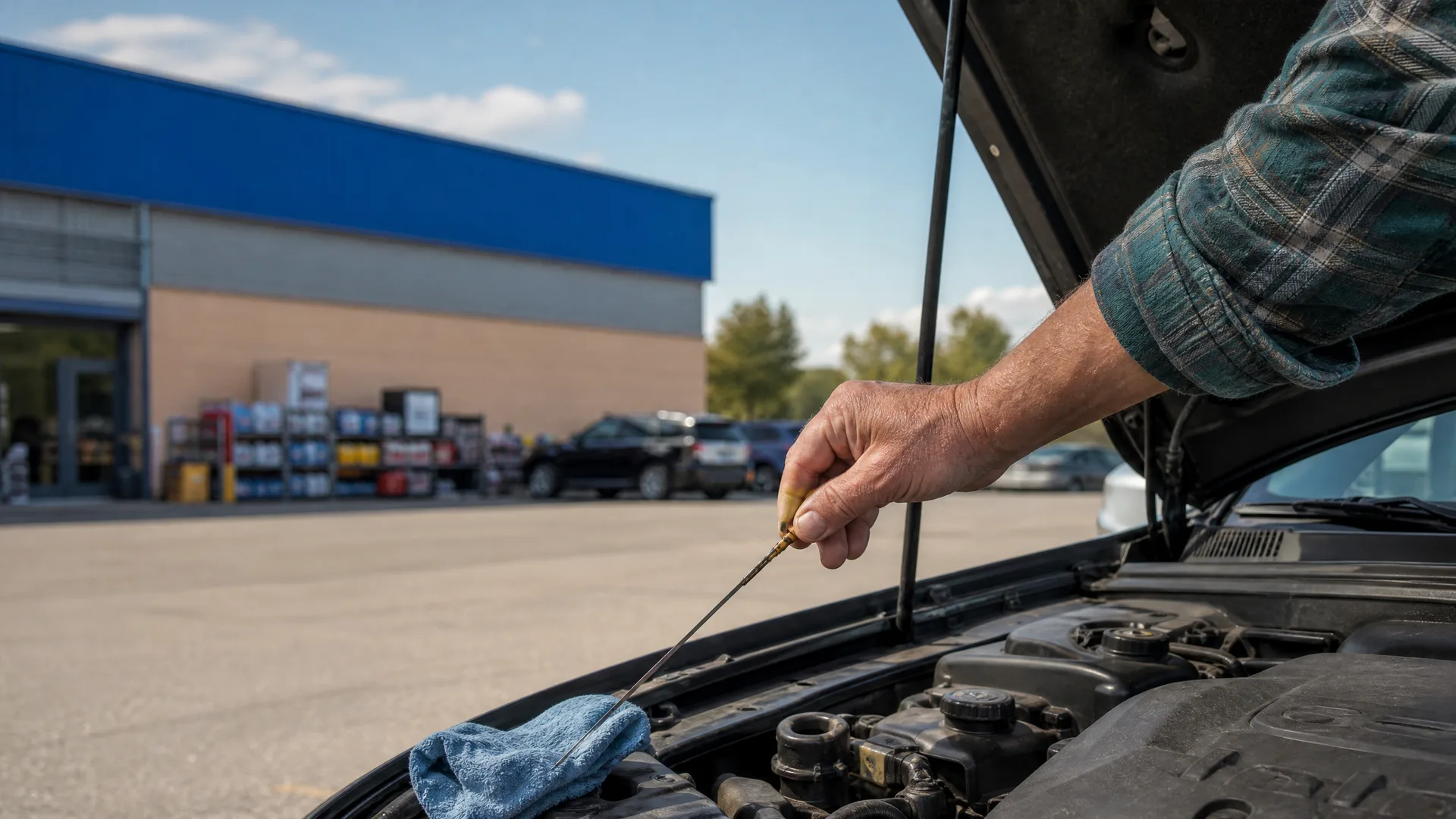
A repaired car is not always restored to what it was before the accident. Frame damage, airbag deployment, and flood or fire damage can leave a car with issues that show up later, even after a shop has done the work and the car passes inspection.
Ask the shop directly whether the damage affects the frame or any structural part of the car. Ask whether the airbags were deployed and what that repair involves. These are the kinds of damage most likely to leave a car worth less or less safe than it looks.
A car with this kind of damage usually carries a diminished value even after a proper repair, because buyers and other insurers will know its history. If you plan to keep the car for years, that may not matter much. If you plan to sell or trade it, it will.
If your insurer is pushing to repair a car with this kind of damage, you can ask for a second estimate or ask what the car's title will say once the repair is done. Some states brand the title after serious damage, and that's worth knowing before you agree to the repair.
Questions people ask about this
Can I keep my totaled car instead of giving it to the insurer?
Yes, in most cases you can keep it, but the insurer will subtract its salvage value from your payout. The car will usually get a salvage title, which affects whether you can register and drive it and what it's worth if you sell it later. Ask your insurer how they calculate the salvage deduction and check with your state's DMV on what a salvage title means for registration.
Will my insurance rates go up after a total loss claim?
It depends on who was at fault and how your insurer handles claims generally. A claim where you weren't at fault is treated differently by most insurers than one where you were. Ask your insurer directly how this particular claim will be rated at your next renewal.
What happens if the repair costs end up close to the car's value?
Most insurers total a car once repair costs reach a certain share of its value, and the exact threshold is set by the insurer and sometimes by state rule. If your estimate comes in near that line, ask the adjuster whether they're treating it as a repair or a total loss and why.
Can I get a rental car while my car is being repaired or replaced?
That depends on whether you have rental reimbursement coverage on your policy. Without it, you're generally on your own for a replacement vehicle during a repair or while you shop for a new car after a total loss. Check your policy or ask your insurer whether this coverage applies to your situation.
How do I know if the insurer's total loss payout is fair?
Compare it against what similar cars, same year, mileage, and condition, are actually selling for in your area, not just a book value number. If the payout looks low, ask the insurer to show how they arrived at it and provide your own comparable listings if you have them.
See what your options look like if you're weighing a new policy either way.
Pull up your loan or lease statement so you know exactly what you owe before you talk to the adjuster. Ask the repair shop in plain terms whether the damage touches the frame, the airbags, or anything structural, and get that in writing if you can. Ask your insurer how they calculated any total loss payout and what salvage title rules apply in your state if you're thinking about keeping the car. If you're not sure whether to push for a repair or accept a total loss, a second opinion from an independent shop can help you see which way the numbers actually point.