Is It Safe for Seniors to Drive Long Distances Alone
It depends more on your health, your vision, and how you plan the trip than on your age alone.
Free to compare
Yes, for most older drivers who plan ahead
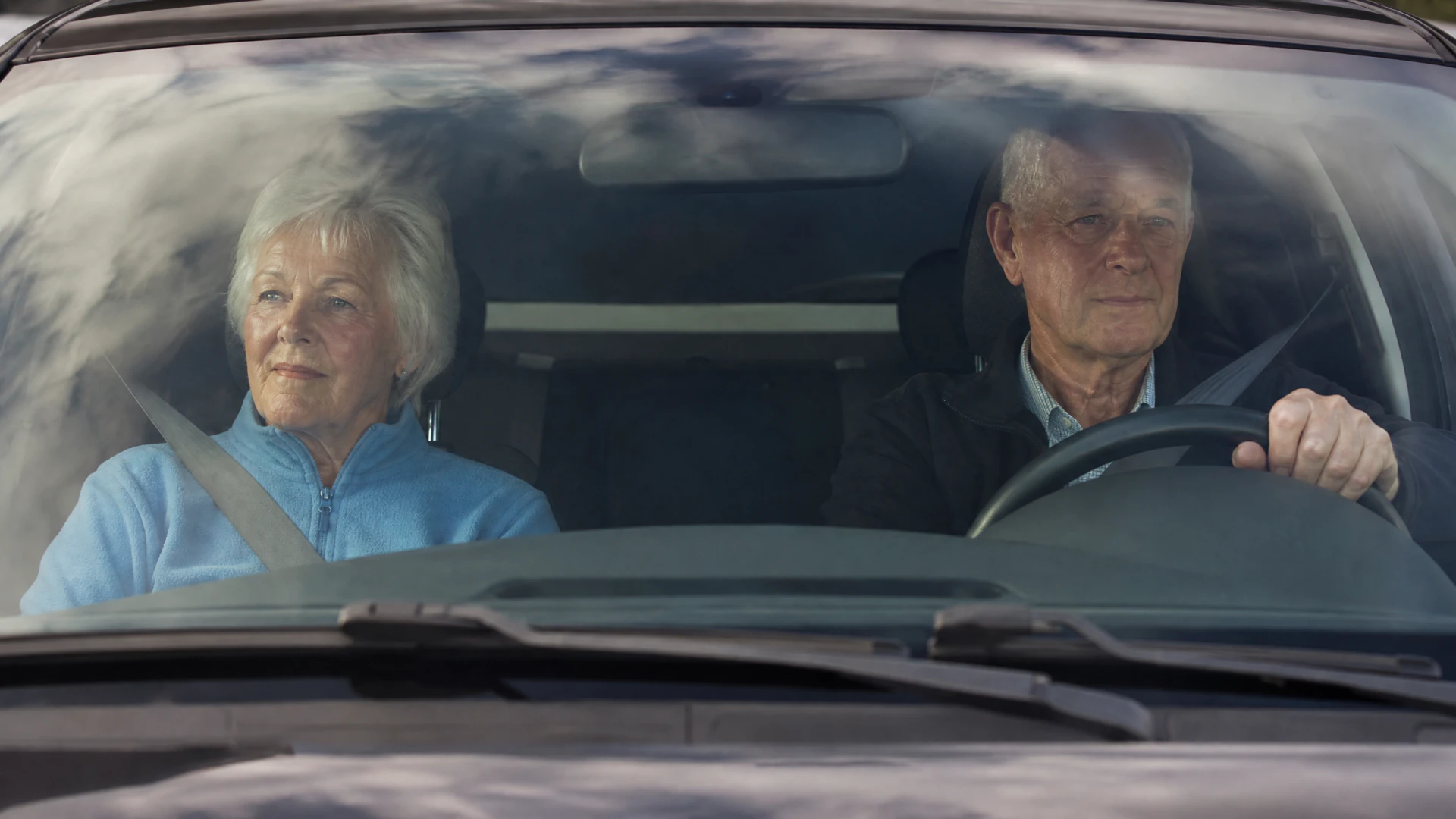
There's no rule that says a senior can't drive long distances alone. What matters is whether you can still see well, react in time, and stay alert for the hours the trip takes. Plenty of people in their seventies and eighties drive across states by themselves without trouble, because they know their own limits and plan around them.
The honest answer depends on things specific to you. Your eyesight, your reflexes, any medications that make you drowsy, and how well you sleep the night before all matter more than the number on your birth certificate. If those are in good shape, distance by itself isn't the risk. Fatigue and unfamiliar roads are.
Your own health and medications decide more than your age
Vision changes gradually enough that many drivers don't notice the decline until someone else points it out. Before a long trip, it's worth getting your eyes checked if it's been a while, since glare and night driving are often where the first problems show up.
Some medications, including common ones for blood pressure or sleep, cause drowsiness or slow reaction time. Check with your pharmacist about anything you take regularly, especially if you're adding a new prescription before the trip.
Arthritis or stiffness in the neck and shoulders can make it harder to check blind spots or turn quickly. If that's become an issue, practice on local roads first and see how it feels before committing to several hours at once.
If you've had a medical event like a stroke, a fall, or a change in a chronic condition, talk to your doctor about whether long drives are still advisable right now. They know your situation better than any general rule can.
How you plan the trip matters as much as how you feel
Driving for hours straight is harder on anyone, at any age, than the same distance broken into stops. Planning to stop every couple of hours to stretch and rest your eyes makes a real difference, especially on highways where the scenery doesn't change.
Time of day matters too. If night driving has gotten harder on your eyes, a trip planned to arrive before dark is an easy way to remove that risk entirely.
Telling someone your route and when you expect to arrive costs nothing and means someone notices quickly if something goes wrong. It's a habit worth having regardless of age.
If your state requires a vision test or a shorter renewal cycle once you reach a certain age, that's set by the state and it's worth checking with your DMV what applies to you specifically, since it varies.
Questions people ask about this
What are warning signs it's time to stop driving long distances alone?
Getting lost on familiar routes, trouble merging or judging distances, or feeling exhausted after short drives are signs worth taking seriously. If a family member has mentioned concerns more than once, it's worth an honest conversation rather than dismissing it. A doctor can also help assess whether a specific health change affects driving safely.
Does car insurance cost more for older drivers who drive long distances?
How your insurer prices your policy depends on the company and the state you're in, not on distance alone. Some insurers ask about annual mileage, and a long trip now and then usually doesn't change much. If you're unsure how your insurer treats mileage or age, asking them directly is the only way to know for certain.
Should seniors take a refresher driving course before a long trip?
A refresher course can be useful if it's been years since you've driven on highways or in heavy traffic, since it's a low-pressure way to rebuild confidence. Some insurers offer a discount for completing one, but you usually have to send them the certificate yourself. Check with your insurer about what they require.
What should I pack in case of a breakdown on a long solo drive?
A charged phone, a portable charger, water, any regular medications, and a basic emergency kit cover most situations. Roadside assistance coverage through your insurer or a separate membership is worth confirming before you leave, since not all policies include it automatically. Keep your insurance card and registration somewhere easy to reach.
How often should an older driver get their vision and hearing checked?
There's no single schedule that applies to everyone, so it's worth asking your eye doctor what makes sense given your health and any conditions you have. Many states tie license renewal to a vision test at a certain point, and your DMV can tell you what applies in your state specifically. Hearing matters too, since it helps you notice horns, sirens, and traffic around you.
If a long trip has you thinking about your coverage, it's worth seeing what other drivers your age are paying.
Before your next long trip, get your eyes checked if it's been a year or more and ask your pharmacist whether any of your medications cause drowsiness. Call your insurer and ask what your policy covers for roadside assistance and whether your mileage affects your rate. Plan the route with stops built in every couple of hours and try to arrive before dark if night driving is hard on you. Tell a family member or friend your route and expected arrival time. If your state ties license renewal to your age, check with your DMV what's required and when yours is due.