Is Roadside Assistance Worth It for Senior Drivers
It's worth it for most senior drivers, but whether you need to pay extra for it depends on what's already included with your car, your credit card, or your policy.
Free to compare
Usually yes, if you don't already have it somewhere else
Roadside assistance is worth having if a breakdown would leave you waiting alone on a shoulder or in a parking lot with no easy way to get help. For a lot of older drivers, that's exactly the situation to plan for, since changing a tire or dealing with a dead battery gets harder with age, and standing around in bad weather waiting for a stranger to stop isn't a good plan.
The real question isn't whether it's useful. It's whether you're already paying for it without realizing. Some auto manufacturers include it for a set number of years on new cars. Some credit cards offer it as a perk. If you have either of those, adding it again through your auto insurer is probably money you don't need to spend.

What's already covering you
Check your car's owner's manual or the paperwork from when you bought it. Many newer vehicles come with roadside assistance built in for the first several years of ownership, sometimes longer on certified pre-owned cars. If your car is still inside that window, you likely don't need to buy coverage again.
Check your credit cards too. Several cards, especially ones with annual fees or ones marketed for travel, include roadside assistance as a cardholder benefit. The terms vary by card, so look at what's covered and what counts as an incident.
If you belong to an auto club, that's another place roadside help often already lives. The point is to find out what you're covered by before you add anything new. Paying your insurer for a service you already have elsewhere is the only real way this goes wrong.
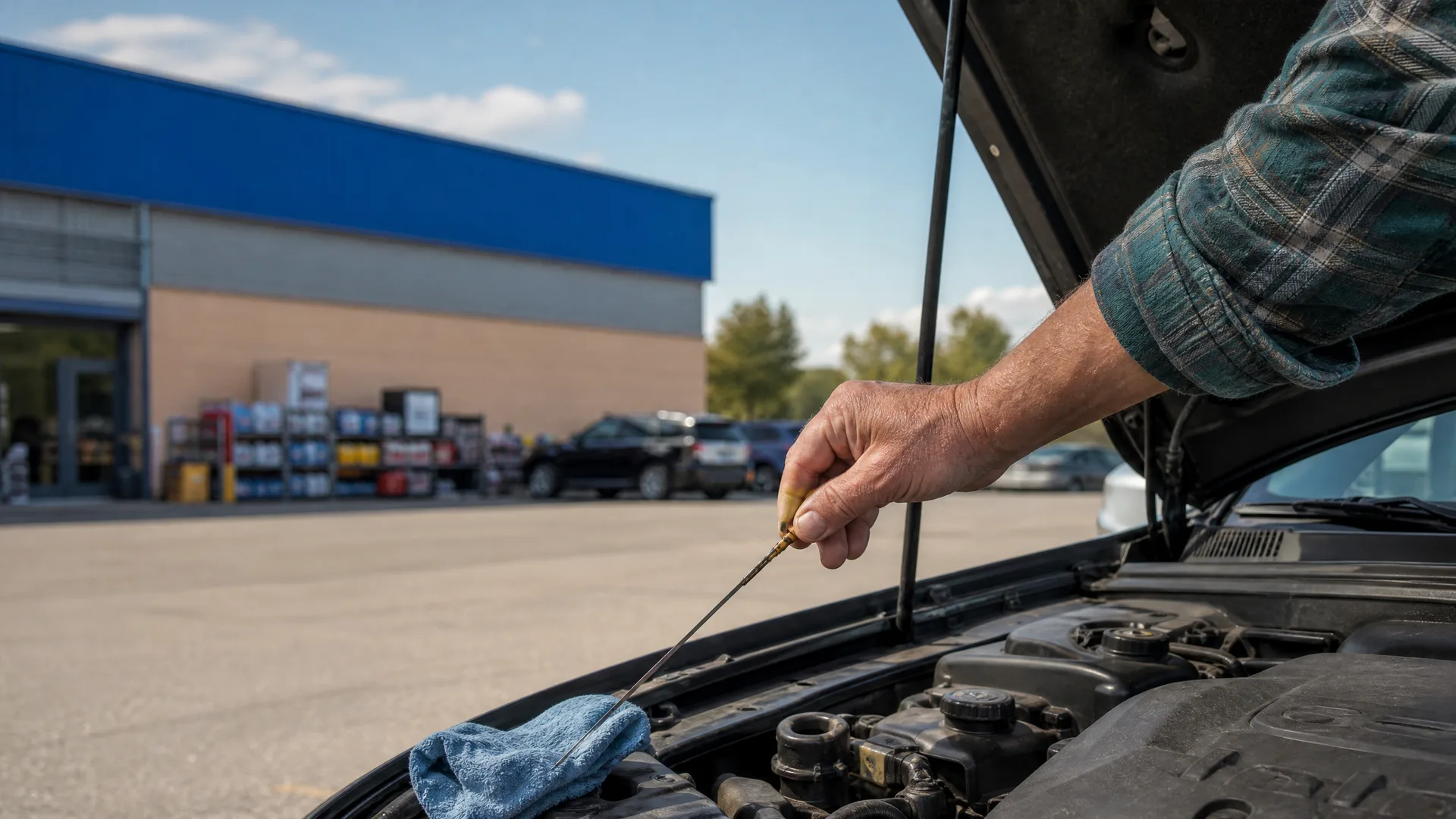
What kind of driving you still do
If you mostly drive short distances in town, close to home, a breakdown is inconvenient but usually not dangerous. Someone can reach you quickly and you're rarely far from help.
If you still drive longer distances, visit family in another state, or drive through rural stretches with spotty cell service, roadside assistance matters more. Waiting for help in an isolated spot is a different situation than waiting in a grocery store lot.
Your own health and mobility matter here too. If changing a tire, walking to a call box, or even standing for a long wait would be hard for you physically, that pushes the value of having coverage up, regardless of how far you typically drive.
Some insurers also bundle roadside assistance cheaply with an existing auto policy, which can make it worth adding even if you only use it rarely. Ask your insurer what it would cost to add and what it actually includes before deciding either way.
Questions people ask about this
Does Medicare or Medicaid cover roadside assistance?
No, roadside assistance isn't a medical service, so Medicare and Medicaid don't cover it. It's sold through auto insurers, car manufacturers, credit card companies, and standalone auto clubs.
What does roadside assistance usually include?
It typically covers things like towing, jump-starts, flat tire changes, lockout help, and fuel delivery if you run out of gas. What's included varies by provider, so check the specific list before assuming a service is covered.
Can I add roadside assistance to my policy at any time?
Most insurers let you add it when you renew or at other points during your policy term, but ask your insurer directly about timing. Some treat it as a simple add-on you can request anytime, others tie it to renewal.
Is roadside assistance different from towing coverage?
Towing is usually just one piece of what roadside assistance covers. Towing-only coverage pays to get your car moved, while roadside assistance also typically includes things like jump-starts, lockouts, and flat tires.
Will using roadside assistance raise my insurance premium?
This depends on your insurer, so ask them directly how they treat roadside assistance claims. Some treat it separately from accident claims since it doesn't involve fault or damage, but policies differ.
See what adding roadside assistance would actually cost before you decide you need it.
Start by pulling out your owner's manual and any credit card benefits guide you have, and check whether roadside assistance is already included somewhere. If it isn't, call your current insurer and ask what it would cost to add it to your policy and exactly what's covered. Compare that against what a standalone auto club membership charges for similar service. Think honestly about how often you drive alone, how far from home you typically go, and whether handling a flat tire or a dead battery yourself is still realistic. Then decide based on what you actually have covered now, not on what sounds reassuring to add.