
Parkinson's Diagnosis and Driving in New York: What Changes
Free to compare
Does New York Require You to Report a Parkinson's Diagnosis to DMV?
New York does not require you to self-report a Parkinson's diagnosis to the Department of Motor Vehicles. The state uses a physician reporting system instead.
Under Public Health Law Section 3309, your doctor can report you to DMV if they believe your condition creates a substantial risk to public safety — and they can do this without your permission or advance notice. Physicians aren't required to report every Parkinson's diagnosis, only cases where cognitive impairment, tremor severity, or medication side effects could affect driving ability.
This creates a timing problem most seniors don't anticipate. You might pass your road test and vision screening at DMV while your neurologist has already filed a confidential medical report. DMV processes these reports separately from standard renewals, often triggering a medical review 60 to 90 days after your license was issued.
What Happens If Your Doctor Reports You to DMV
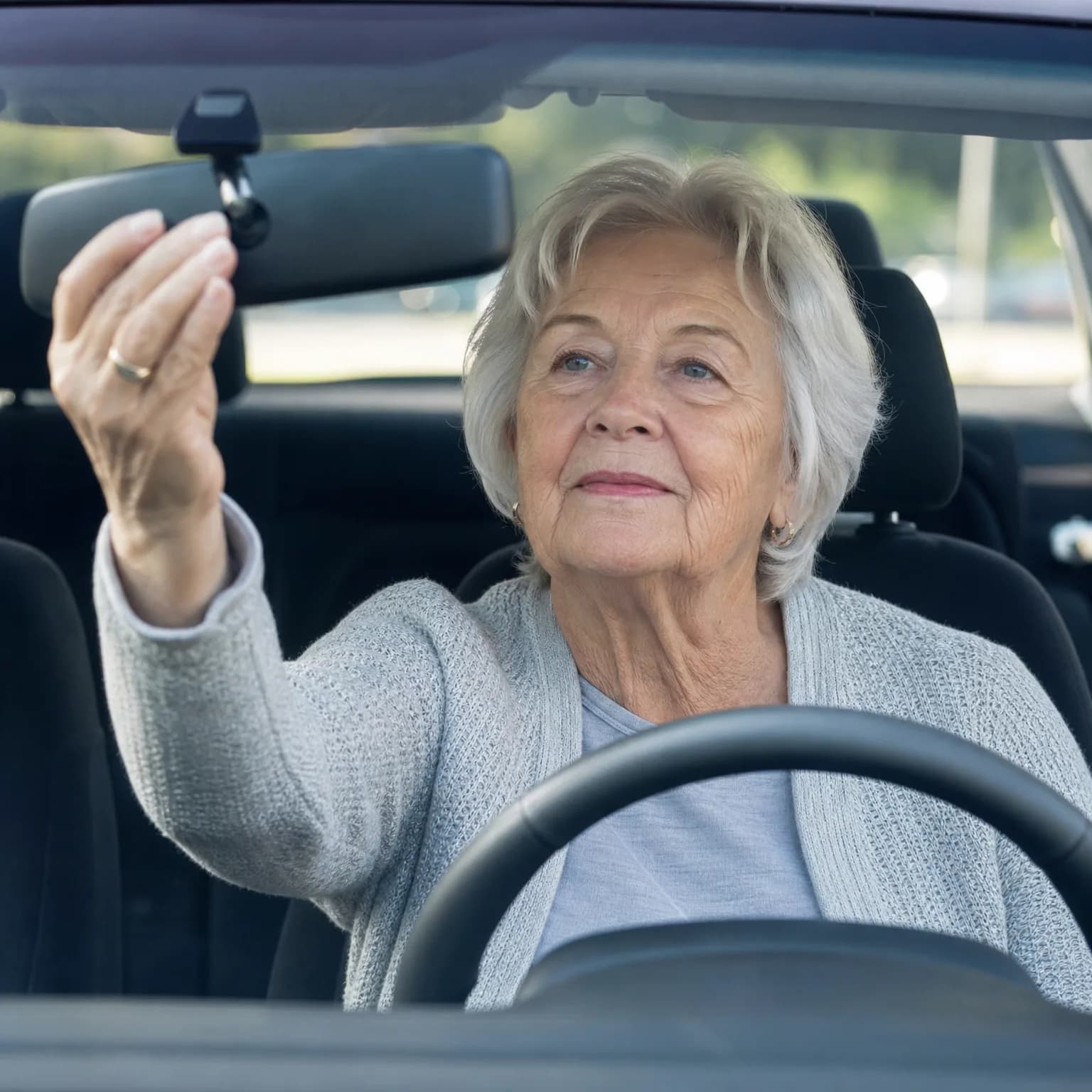
DMV's Medical Review Unit will send you a letter requesting that you complete a Medical Report for Driver Fitness form and have your treating physician fill out a supplemental neurological assessment. You have 30 days to return the completed forms. Missing this deadline results in automatic license suspension with no grace period.
Your doctor will be asked to evaluate: tremor severity at rest and during activity, cognitive function including reaction time and decision-making ability, medication schedule and side effects (especially "off" periods when levodopa effectiveness drops), and whether adaptive vehicle controls would allow safe operation. If your physician indicates you can drive safely with restrictions, DMV may issue a conditional license requiring annual medical certification, daylight-only operation, or restrictions on highway driving.
The review process typically takes 45 to 90 days from the date you return the medical forms. During this period, your current license remains valid unless DMV issues an immediate suspension based on the severity of the medical report.
How Insurance Companies Handle Parkinson's Disclosure
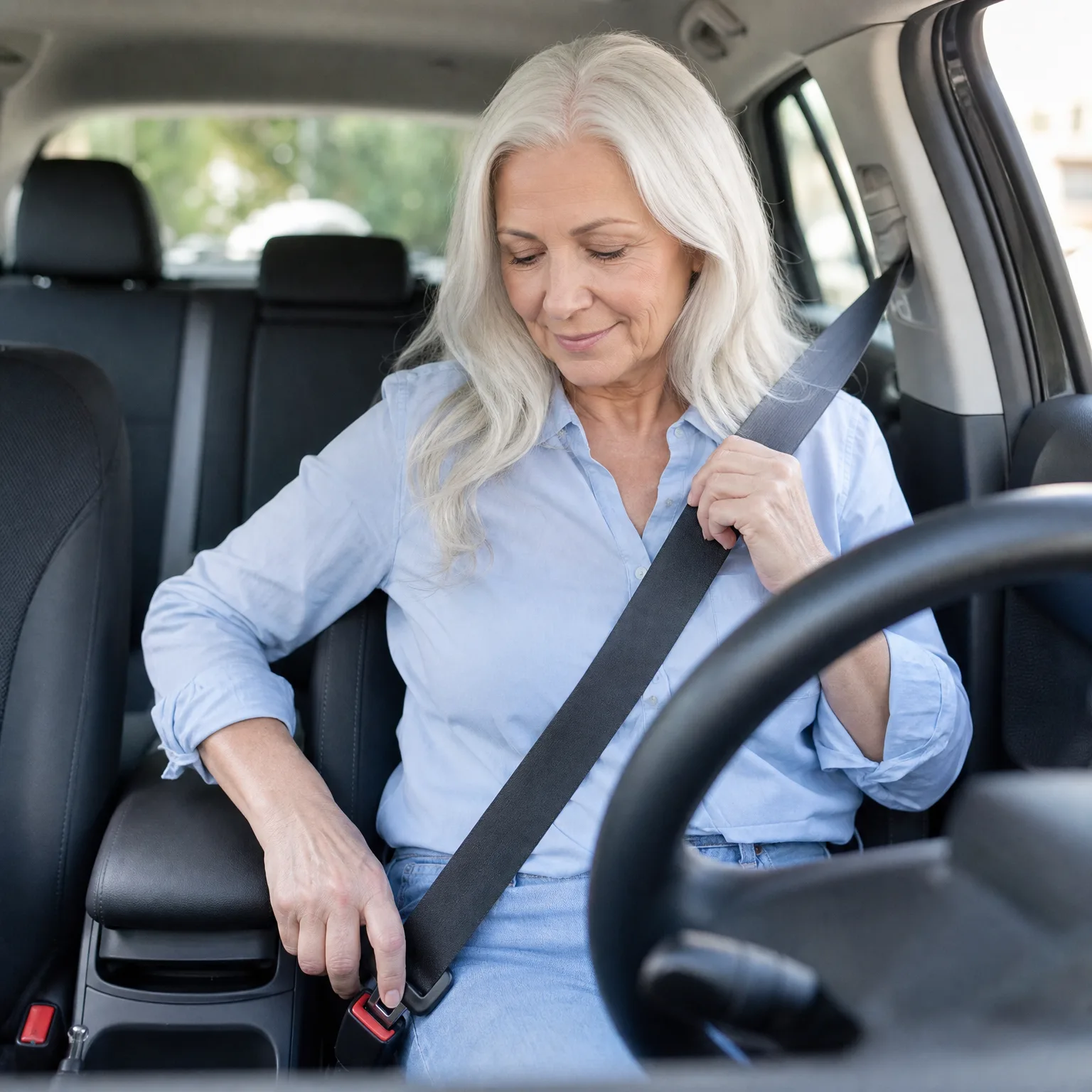
New York insurers cannot ask about medical conditions on initial applications under Insurance Law Section 2612, but they can and do ask health-related questions at renewal. The most common question: "Have you been diagnosed with any condition that affects your ability to operate a vehicle safely?" or "Has your physician advised you to stop or limit driving?"
You are legally required to answer these questions truthfully. Misrepresentation on a renewal application gives your insurer grounds to deny claims retroactively or rescind your policy entirely, even if the condition wasn't a factor in the accident. If you answered no to a health question six months before your Parkinson's diagnosis and then renewed without updating your answer, that's not misrepresentation. If you were diagnosed in January and answered no at your June renewal, it is.
Most carriers don't automatically surcharge or non-renew based on a Parkinson's diagnosis alone. They assess the same factors DMV does: disease progression stage, medication management, driving restrictions recommended by your physician, and your recent claims history. A senior driver with early-stage Parkinson's, stable medication response, and a clean driving record typically sees no immediate rate change. A driver with documented tremor episodes, multiple medication adjustments, or a physician-recommended restriction often faces a 15% to 40% increase or non-renewal at the next policy term.
When Coverage Becomes Harder to Find
If your standard carrier non-renews your policy after a Parkinson's diagnosis, New York's assigned risk plan — the New York Automobile Insurance Plan (NYAIP) — guarantees you can still get liability coverage. NYAIP premiums run 30% to 60% higher than standard market rates, and the program only provides state-minimum liability coverage. You'll need to purchase collision and comprehensive separately if you want coverage beyond the minimum.
Before accepting non-renewal, ask your current insurer if they offer a restricted-use policy. These policies reduce your premium in exchange for mileage caps (typically 5,000 to 7,500 miles annually) and sometimes require telematics monitoring. If you've already reduced your driving to local errands and medical appointments, a restricted-use policy often costs less than switching to NYAIP and provides broader coverage options.
Some regional carriers in New York specialize in senior drivers with medical conditions and won't non-renew based solely on a Parkinson's diagnosis if you maintain physician certification of fitness to drive. These carriers include AARP (administered by The Hartford), which underwrites based on driving record rather than medical history, and several regional mutuals that assess risk individually rather than using automated underwriting rules.

See What Drivers Over 65 Are Paying Now
See If You Qualify for Discounts
How a License Restriction Affects Your Insurance Rate
A DMV-imposed restriction — daylight driving only, no highway use, annual medical certification required — does not automatically trigger a rate increase. Insurers price based on claim risk, and restricted licenses often correlate with lower mileage and reduced exposure. If your restriction limits you to daytime local driving, you've eliminated the two highest-risk driving periods: nighttime operation and highway merging.
What does affect your rate: the underlying medical condition that caused the restriction, how you disclosed it to your insurer, and whether the restriction appears on your motor vehicle record at your next renewal. New York insurers pull MVRs at renewal, and a new restriction code will prompt underwriting questions you'll need to answer with medical documentation.
If you voluntarily limit your driving before DMV imposes a restriction, document it. Tell your insurer you've reduced your annual mileage, stopped highway driving, or limited operation to daylight hours. Many carriers offer low-mileage discounts starting at 7,500 miles per year, and some will apply a defensive driving profile discount if you complete it within 90 days of reporting a medical condition. These discounts often offset or exceed the surcharge applied for the medical disclosure itself.

Whether You Should Drop Full Coverage on a Paid-Off Vehicle
If your Parkinson's diagnosis has reduced your driving and increased your insurance cost, the collision and comprehensive premiums on a paid-off vehicle might no longer make financial sense. The decision point: if your combined collision and comprehensive premium exceeds 15% of your vehicle's current value, you're paying more for coverage than you're likely to recover in a total loss.
For a 2015 sedan worth $8,000, paying $1,400 per year for full coverage means you'll spend more in premiums over the next six years than the vehicle is worth today. Dropping to liability-only saves that $1,400 annually, but leaves you with no reimbursement if you cause an accident or your car is stolen. If you're driving less than 3,000 miles per year and your vehicle is parked in a garage, theft and collision risk drop substantially — which strengthens the case for liability-only coverage.
Keep comprehensive coverage even if you drop collision. Comprehensive covers theft, vandalism, weather damage, and animal strikes — risks that exist even when the vehicle is parked. In New York, comprehensive-only coverage typically costs $200 to $400 per year with a $500 deductible, which is reasonable protection for a vehicle you're not driving daily but still need for medical appointments.
How Medical Payments Coverage Interacts with Medicare
Medical payments coverage (MedPay) on your auto policy pays your medical bills after an accident regardless of fault, up to your selected limit — typically $2,000 to $10,000 in New York. Medicare is your primary health insurer, but MedPay pays first after an auto accident, which means it covers your Medicare deductibles, co-pays, and any services Medicare doesn't cover during the first 120 days after the accident.
For senior drivers, this matters because New York is a no-fault state. Your Personal Injury Protection (PIP) coverage pays your medical bills up to $50,000 after an accident regardless of who caused it, but PIP doesn't cover family members injured in your vehicle unless you purchased optional coverage for them. MedPay covers anyone injured in your vehicle, including passengers, and coordinates with Medicare as secondary coverage after PIP is exhausted.
If you're managing Parkinson's-related medical costs and already meeting your Medicare deductible early each year, the value of MedPay drops. The coverage only helps when accident-related medical expenses exceed what Medicare and your supplement plan already cover. For most senior drivers on Medicare Advantage or Medigap plans, carrying the state-minimum $50,000 PIP is sufficient, and the $150 to $300 annual cost of MedPay can be reallocated to higher liability limits.
Frequently Asked Questions
Can I lose my license in New York if I'm diagnosed with Parkinson's but still pass a road test?
Passing a road test doesn't prevent license suspension if DMV receives a physician's medical report indicating your condition affects safe operation. DMV's Medical Review Unit evaluates physician reports separately from standard testing, and can require annual re-certification or impose restrictions even after you've passed the driving and vision tests.
Will my insurance company find out about my Parkinson's diagnosis if I don't tell them?
Insurers don't have direct access to your medical records, but they ask health-related questions at renewal that you must answer truthfully under New York Insurance Law. If you file a claim and the insurer discovers you misrepresented your health status at renewal, they can deny the claim and rescind your policy retroactively.
How much does car insurance increase after a Parkinson's diagnosis in New York?
Most carriers don't automatically increase rates based solely on diagnosis. Rate changes depend on disease stage, physician-recommended restrictions, medication stability, and your recent driving record. Senior drivers with early-stage Parkinson's and clean records typically see no immediate increase, while those with documented tremor episodes or driving restrictions often face 15% to 40% increases or non-renewal.
What happens if my neurologist tells me to stop driving but I don't want to yet?
Your physician can report you to DMV under Public Health Law 3309 if they believe your condition creates substantial safety risk, regardless of your agreement. DMV will then require medical certification of fitness to drive. Continuing to drive against medical advice also voids your insurance coverage if you're involved in an accident, as it constitutes material misrepresentation of risk.
Related Articles

Parkinson's & Driving in NJ: Reporting, Rates & Coverage
4/29/2026
Parkinson's & Driving in Delaware: License Rules Seniors Face
4/29/2026
Parkinson's and Driving in CA: DMV Reporting Rules
4/29/2026

Parkinson's & Driving in CT: License & Rate Impact
4/29/2026

Parkinson's & Driving in FL: Reporting, Rates, Limits
4/29/2026
Parkinson's & Driving in MA: Medical Reporting Rules
4/29/2026