PIP Coverage for Seniors in Kansas
Kansas requires PIP on every auto policy, and your age doesn't change what it covers or how much you're required to carry.
Free to compare
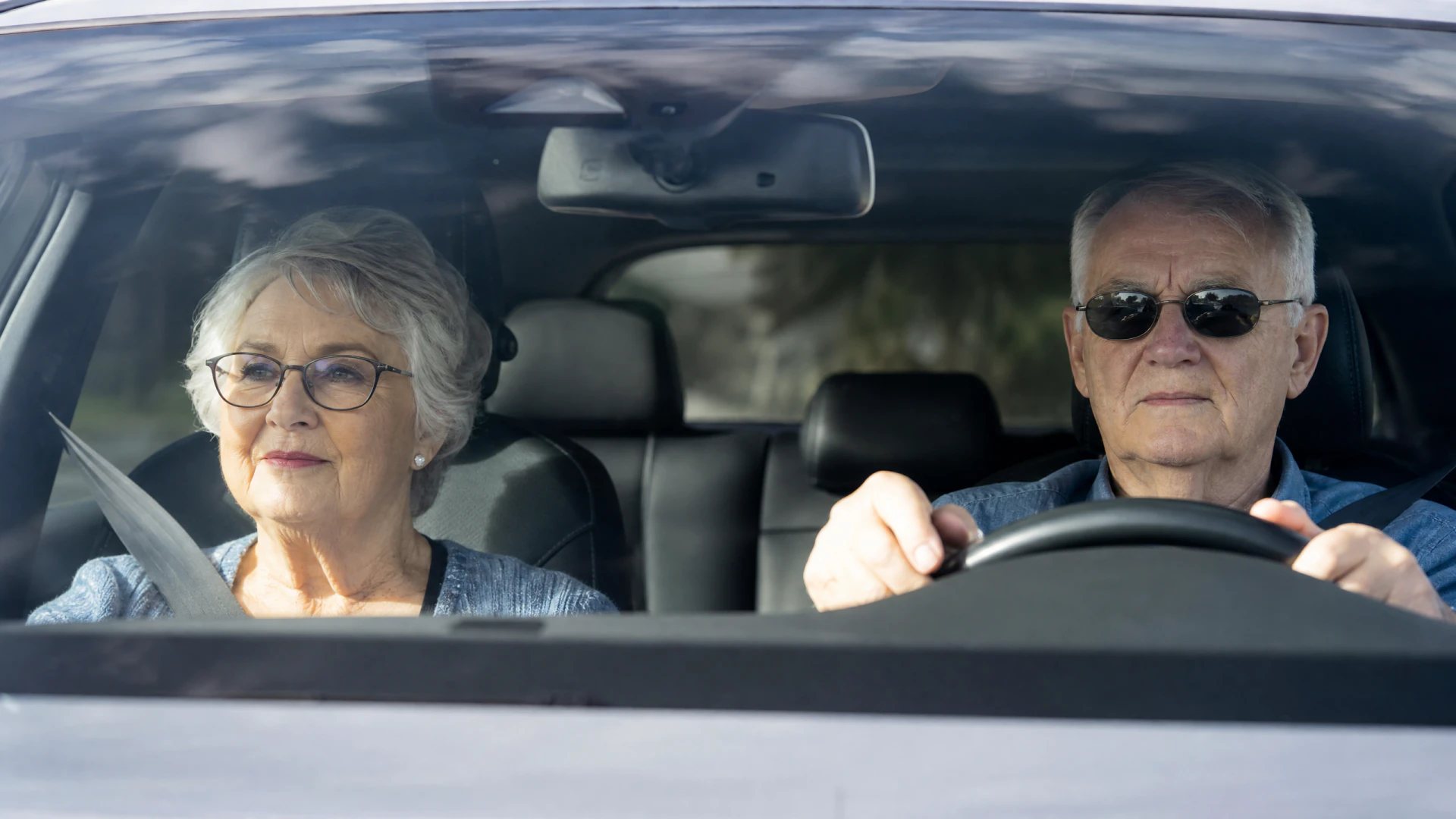
PIP applies to you the same way it applies to any driver
Kansas is a no-fault state, and Personal Injury Protection is a required part of every auto policy sold there. It pays for medical bills and a portion of lost income after an accident, no matter who caused it. That part of the law doesn't shift based on how old you are.
What can shift is how useful the income-replacement piece is to you. If you're retired and no longer drawing a paycheck, that portion of PIP may matter less than it would for someone still working. The medical coverage still applies the same way, since medical bills don't ask how old you are either.
Medicare and your other health coverage change how PIP gets used
PIP is meant to pay first, before your health insurance, for crash-related medical bills. If you're on Medicare, this still holds. PIP pays out first, and Medicare would only come in after PIP's medical limits are used up.
This matters because some drivers assume Medicare will simply cover everything and that PIP is redundant. It isn't. The order still runs through PIP first, and skipping that step or not understanding it can leave you paying out of pocket for bills that PIP would have covered.
If you're not sure how your specific health coverage coordinates with PIP, ask your insurer directly. They can tell you how claims get processed when you have both.
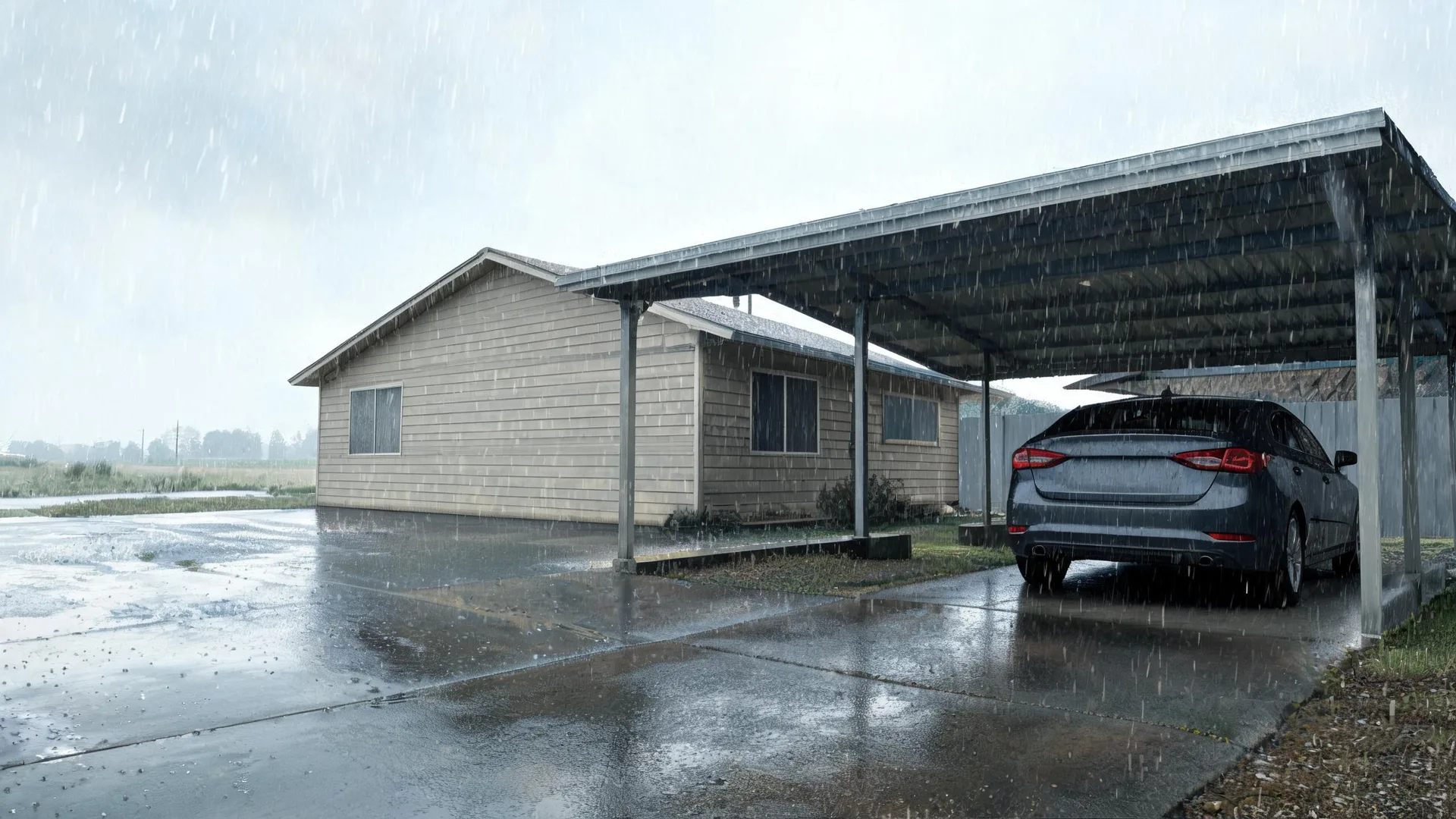
The income-loss portion depends on whether you're still working
PIP includes a benefit for lost wages after an accident. If you're retired, there's no wage to replace, so that part of the benefit won't apply to you the way it would to someone still employed.
If you're still working, part-time or full-time, that benefit still applies and works the same as it would for a driver of any age. Tell your agent your work situation when you're reviewing your policy, since it can affect how the coverage is explained to you, even though the coverage itself doesn't change.
Some drivers also use PIP's essential services benefit, which can cover the cost of hiring help for tasks you'd normally do yourself if an injury prevents it. That part isn't tied to employment status at all.
Questions people ask about this
Does PIP cover a passenger in my car if they're also a senior?
Yes, PIP covers passengers in your vehicle the same way it covers you, regardless of their age. The policy follows the car, not just the driver, for this part of the coverage. If the passenger has their own auto policy, there can be questions about which PIP applies first, so check with your insurer if that situation comes up.
Can I drop PIP coverage once I retire?
No, PIP is required on every Kansas auto policy and isn't optional based on employment or retirement status. The requirement is set by state law, not by your insurer, so retiring doesn't change whether you need it.
Does PIP cover me if I'm hit while walking, not driving?
Often yes, PIP from your own auto policy can extend to cover you as a pedestrian if you're hit by a vehicle, but this depends on your specific policy's terms. Ask your insurer whether your PIP coverage extends beyond the car itself.
How does PIP work if I'm in an accident with another senior driver?
PIP pays your own medical bills and lost income regardless of who caused the accident, so the other driver's age has no bearing on how your claim works. Kansas's no-fault system means each driver's own PIP handles their own costs up to the policy's limits.
Will my PIP premium go up as I get older?
This depends on your insurer, since companies vary in how they price PIP and other coverages based on age. Ask your insurer how age factors into your specific premium, since there's no single rule that applies across all Kansas insurers.
See how PIP and the rest of your coverage compare across insurers before your next renewal.
Pull out your current policy declarations page and find the PIP section, including the medical and income-loss limits listed there. Call your insurer and ask how PIP coordinates with Medicare or any other health coverage you carry, so you know the actual order bills get paid in. If you've retired recently, mention that when you talk to your agent, since it can change how they explain your coverage even if the numbers stay the same. Ask directly whether your PIP extends to you as a pedestrian or passenger in someone else's car. Once you have clear answers, compare what other insurers offer for the same PIP limits before your renewal date arrives.
Senior car insurance in Kansas: rates, discounts and what the state requires