Roadside Assistance After Moving to a Retirement Community
Roadside assistance still matters after a move, since the coverage follows you and your car, not your address.
Free to compare
Your coverage moves with you
Roadside assistance is tied to your policy and usually your vehicle, not the address on file. If you still own and drive the car, moving into a retirement community doesn't cancel or pause that coverage.
What can change is how often you use it. If the community has its own shuttle, maintenance staff, or a closer repair shop, you may simply need a tow or a jump less often than before. The coverage itself stays the same unless you call your insurer and change it.

Whether you still drive the same amount
Some people move to a retirement community and keep driving just as much as before, maybe more, since they're exploring a new area. Others drive rarely, relying on a shuttle or walking to things nearby. How much you actually use your car is worth thinking about before you decide what roadside coverage to keep.
If your driving has dropped off, it's worth asking your insurer whether a lower-mileage policy is available and whether that affects what roadside plans they offer. Some insurers bundle roadside assistance into a standard policy. Others sell it separately, and the cost or terms can depend on how the rest of your policy is set up.
If you've stopped driving altogether but kept the car for occasional use by family, say so when you call. The right coverage for a car driven twice a month looks different from one driven daily, and your insurer can only match the two if they know which one you have.
What the community already provides
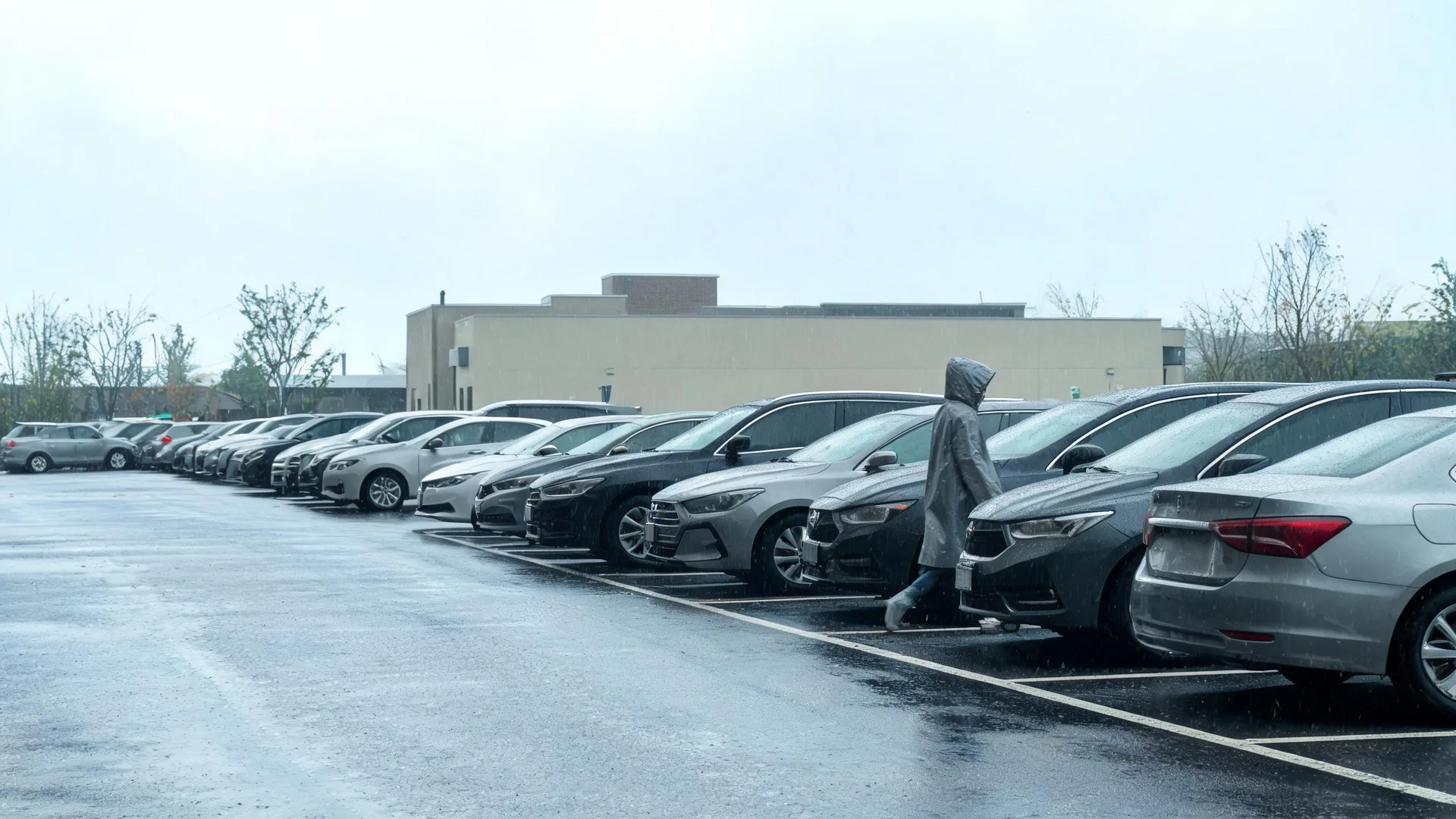
Some retirement communities include help with cars as part of the amenities, things like a call line for a dead battery or a arrangement with a local tow company. Ask your community's front office or your new neighbors what's already available before you decide to add or drop anything on your policy.
Don't assume that because the community offers some help, it replaces what your insurer provides. A community contact for a flat tire isn't the same as a towing benefit that works statewide or nationwide. If you plan to drive outside the immediate area, ask whether the community's arrangement covers that or only applies on-site.
If you're paying for roadside assistance through your insurer and also have access to help through the community, it's worth figuring out if you're paying for overlapping coverage. That's a question for your insurer, since they can tell you exactly what your plan includes and what it costs.
Questions people ask about this
Do I need to tell my insurer I moved into a retirement community?
Yes, you need to update your address with your insurer whenever you move, including to a retirement community. Your address affects how your policy is rated, since location is tied to risk. Call your insurer or update it through their website as soon as you have your new address.
Will my car insurance go down if I drive less in a retirement community?
It depends on your insurer and whether they offer a lower-mileage or usage-based option. Not all insurers adjust rates based on how much you drive unless you ask or enroll in a specific program. Check with your insurer about what options they have for reduced driving.
Can I keep roadside assistance if I stop driving but keep the car?
In most cases yes, as long as the policy stays active on that vehicle. Roadside assistance is usually a feature of the policy itself, not something that depends on how often you drive. Confirm with your insurer whether there's a minimum use requirement tied to your specific plan.
Does roadside assistance cover a car that's mostly driven by a family member now?
This depends on who is listed as a driver on the policy and how the vehicle is insured. If a family member drives the car regularly, your insurer may need to know that to keep the policy accurate. Ask your insurer how they handle a car that's driven by someone other than the primary policyholder.
Should I switch insurers after moving to a retirement community?
Only if your current insurer doesn't offer competitive rates or the right coverage for your new situation. A move is a reasonable time to compare what other insurers offer, since rates and available discounts vary by company and location. Compare a few quotes with your new address to see if you can do better.
See what roadside coverage looks like with your new address before you decide to change anything.
Call your insurer this week and update your address, since that alone can affect your rate and your coverage options. Ask them directly whether your roadside assistance is still active and whether it changes with a lower mileage or usage pattern. Find out from your retirement community's office what car-related help, if any, they already provide, and get that in writing if you can. Compare what the community offers against what your policy includes, so you're not paying twice for the same thing. If anything about your coverage seems unclear, ask your insurer to walk through it with you rather than guessing.