Roadside Assistance for an Electric Car
Most roadside plans cover electric cars, but ask whether towing and charging problems are both included.
Free to compare
Yes, most plans cover electric cars
Roadside assistance from an insurer or a separate plan generally covers electric cars the same way it covers any other car. If you run out of charge, get a flat tire, or get locked out, someone can be sent to help, the same as with a gas car breakdown.
What differs is what happens once they arrive. A gas car can get a few gallons on the spot and drive away. An electric car that runs out of charge usually needs a tow, because there's no quick way to add charge on the roadside. Ask your provider whether towing to the nearest charger is included or treated as a separate service.
What your plan actually promises for a dead battery
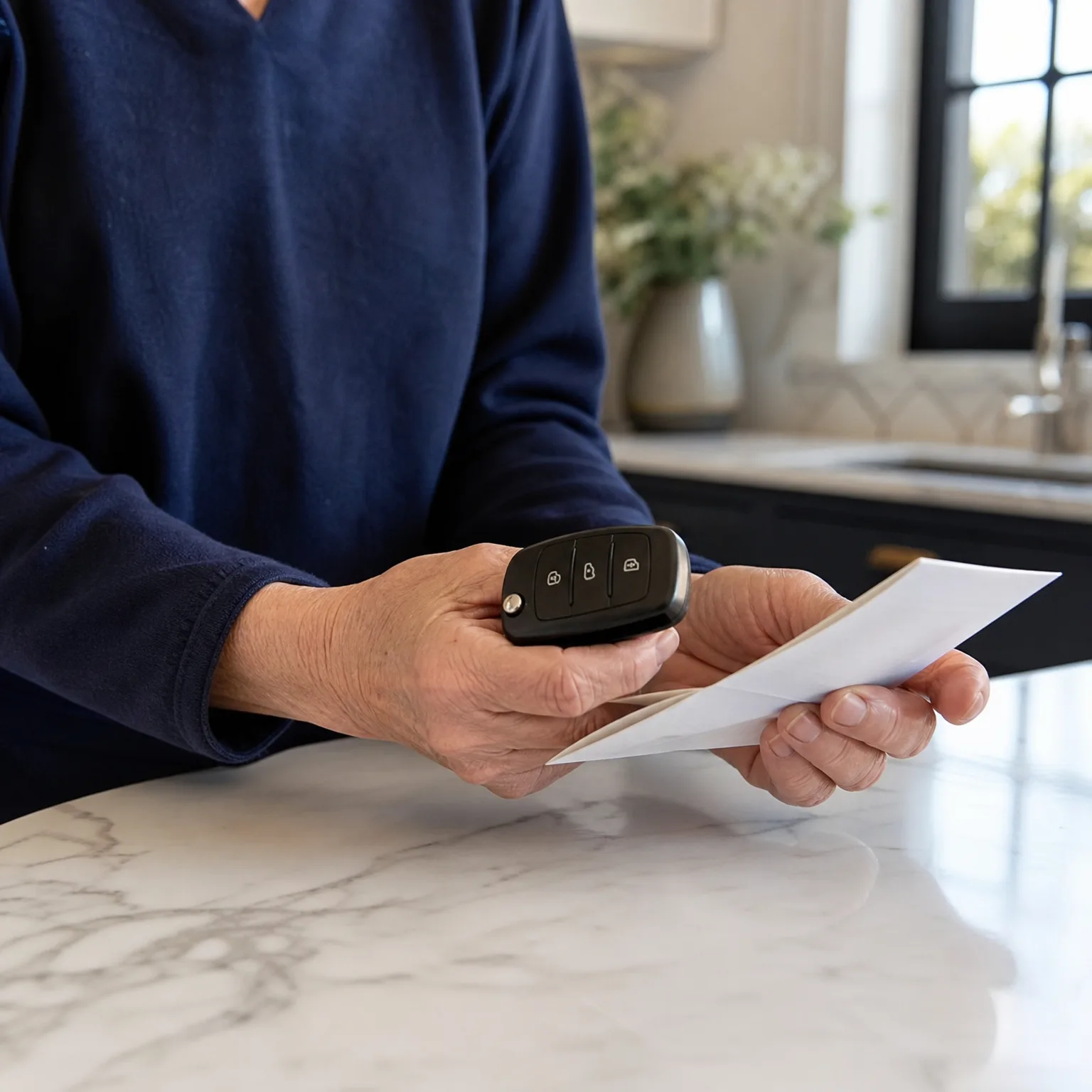
Some roadside plans list "battery service" as part of what they cover, but that usually means jump-starting a conventional battery, not charging an electric car's battery pack. Read the plan's description of services rather than assuming the word "battery" covers your situation.
If your car runs out of charge, the realistic outcome is a flatbed tow to the nearest charging station or your home. Ask whether that tow is covered under the same mileage or dollar limit as any other tow, or whether electric cars are handled under a different rule.
Some insurers and auto clubs have added specific electric vehicle towing options in response to this gap. If you already have a plan, call and ask directly whether a dead charge is treated as a covered event, not just a dead battery.
If you're shopping for a new policy or add-on plan, ask the same question before you buy, since the answer isn't the same everywhere.
Where your car gets towed matters
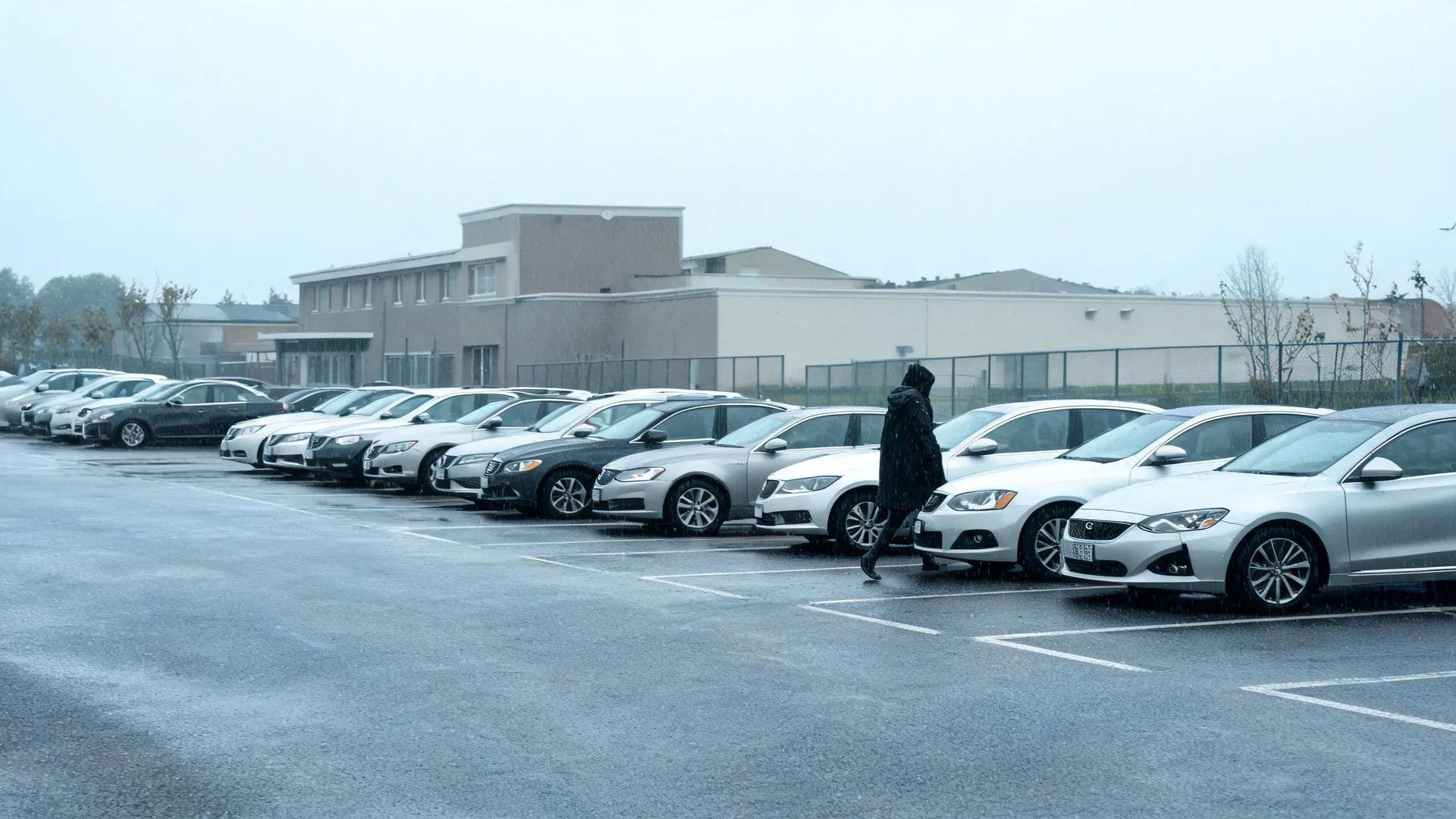
A gas car can be towed to any station. An electric car needs a charger that's compatible with it, and not every tow company knows which chargers exist nearby or which ones work with your car.
Ask your provider whether the dispatcher is trained to locate a working charger for your specific vehicle, or whether they simply tow to the nearest repair shop. Some plans partner with services that specialize in electric vehicle breakdowns and know the charging network in your area.
If you drive in a rural area or somewhere chargers are spread out, ask about the maximum tow distance covered. A short-distance tow limit that works fine for a gas car heading to the nearest gas station might not reach the nearest charger.
Questions people ask about this
Does my car insurance already include roadside assistance for my electric car?
Check your policy documents or call your insurer, since roadside assistance is usually an add-on rather than something included automatically. If you have it, ask specifically how it handles a dead charge versus a mechanical breakdown.
Can a mobile charging truck come to me instead of towing my electric car?
Some areas have mobile charging services that can give your car enough charge to reach a station, but this isn't available everywhere and isn't part of every roadside plan. Ask your provider whether this option exists in your area before you assume a tow is the only choice.
Will roadside assistance cover a flat tire on an electric car differently than a gas car?
No, changing a flat tire or bringing a spare works the same regardless of what powers the car. The difference in electric car roadside coverage is mainly about charging and towing, not tires, locks, or flat batteries in the conventional sense.
Does the manufacturer's warranty include roadside assistance for electric cars?
Many electric car manufacturers include roadside assistance for a set period after purchase, separate from anything your auto insurer offers. Check your owner's manual or the manufacturer's website to see what's included and for how long, since this varies by brand.
Should I buy a separate roadside plan built for electric cars instead of a general one?
That depends on how your current plan handles charging and towing, which you won't know until you ask. If your existing plan treats a dead charge as a standard tow with no special handling for chargers, a plan built around electric vehicles might serve you better.
See which plans actually spell out how they handle a dead charge before you need one.
Pull out your current policy or roadside plan and look for the words towing and charging, not just battery service. Call the provider and ask them directly what happens if your car runs out of charge on the road, including where they would tow it and whether there's a distance limit. If you're shopping for a new plan, ask the same question of each insurer before comparing anything else. Keep notes on what each one says, since the answers often differ more than the price does. If you lease your electric car, also check whether the manufacturer's included roadside service overlaps with what your insurer offers, so you're not paying twice for the same thing.