Should a Parent Keep the Car If They Rarely Drive
It usually comes down to whether the cost and risk of keeping the car still make sense against how little it gets used.
Free to compare
It depends on what the car costs to keep versus what it's actually worth to them
Keeping a car that mostly sits in the driveway still carries full costs. Insurance, registration, maintenance, and the car's falling value don't shrink just because the miles do. For some parents, keeping the car is still worth it for the independence it gives them on the days they do drive. For others, the cost stops making sense next to how rarely it's used.
The honest way to answer this is to look at what the parent actually needs the car for. If it's one or two trips a week, there may be a cheaper way to cover that than owning and insuring a car year-round. If giving it up would cut them off from things they depend on, that weighs heavily on the other side.

What it costs to insure a car that's rarely driven
Insurers price a policy based on the car, the driver, and where it's kept, not on how often it leaves the garage. A car driven a few times a month can cost nearly as much to insure as one driven daily, because the risk an insurer prices in isn't just about mileage. It's about the driver's age, record, location, and the car itself.
Some insurers offer lower rates for low annual mileage, so it's worth asking directly whether a low-mileage discount applies and what counts as low mileage in their eyes. That number is set by each insurer, not a standard figure, so it has to be asked about rather than assumed.
It's also worth checking whether switching to a different kind of policy, one built around occasional use, would cost less than keeping the standard policy running. Not every insurer offers this, so this is a question for the parent's own agent or insurer rather than something to guess at.
If the premium is high relative to how little the car is driven, that's a real signal, but it's not the only one. A parent who needs the car for medical appointments or to avoid relying on others might still come out ahead keeping it, even at a higher cost per mile driven.
What driving still means for the parent, not just the car
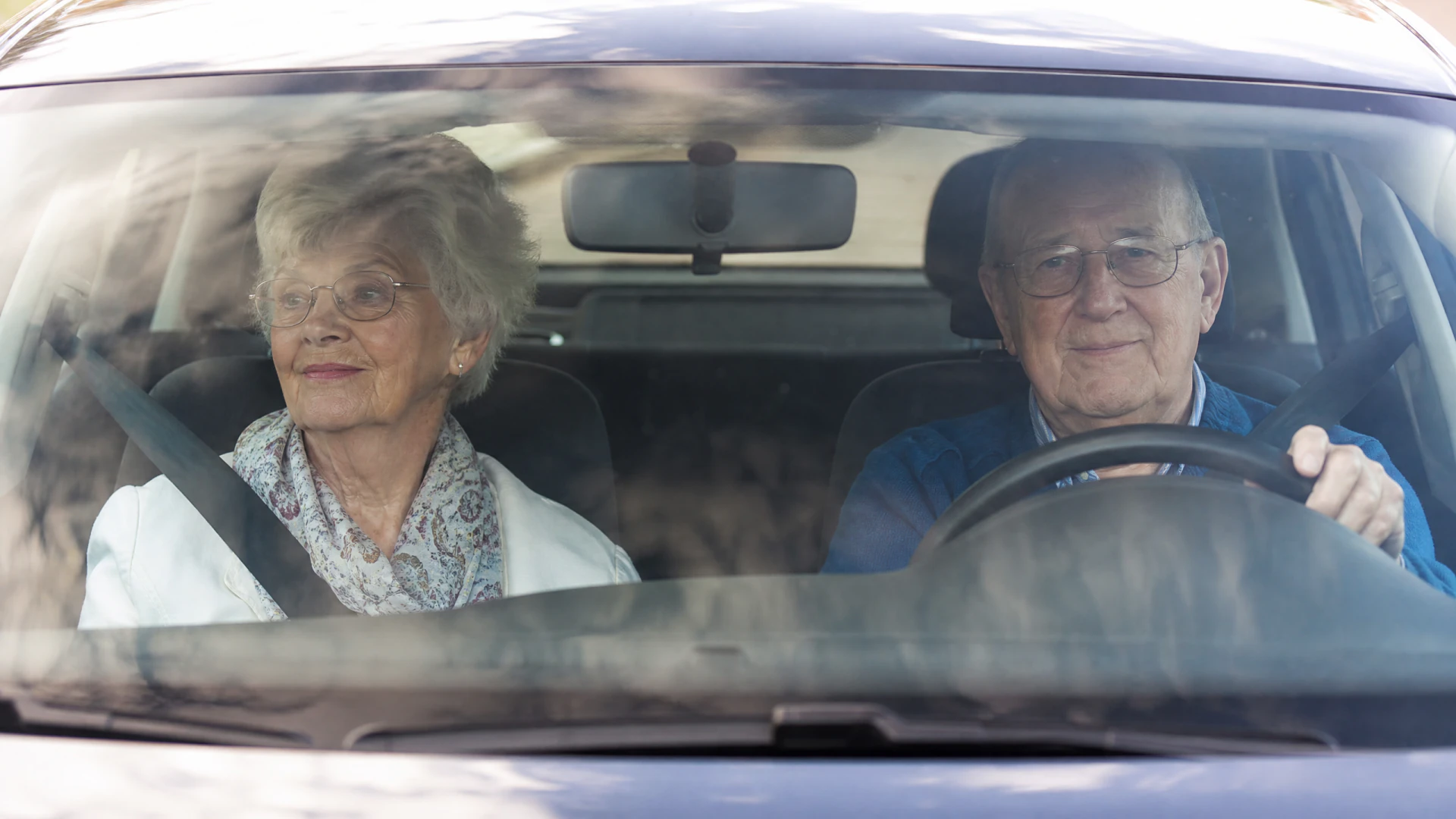
A car sitting unused often means a parent is already driving less by choice, which is worth noticing. That can be a sign of declining confidence, vision changes, or just fewer places they need to go. It's worth talking through why the driving has dropped off before deciding what to do about the car itself.
If the parent drives rarely because they're anxious about certain conditions, like highway speeds or night driving, giving up the car entirely might be a bigger step than needed. Some parents do fine with a car they use only for short, familiar trips, and keeping that option can matter more than the insurance math suggests.
On the other hand, if the car sits unused because alternatives already work well, rides from family, a senior transportation service, delivery for errands, then the car may be costing more than it's giving back. That's worth adding up honestly, not just in dollars but in what keeping it is actually for.
If there's any uncertainty about whether the parent should still be driving at all, that's a separate and more important conversation than whether to keep the car insured.
Questions people ask about this
Is it cheaper to remove a rarely driven car from a policy instead of canceling it?
Removing the car from active use while keeping some coverage is sometimes possible, but it depends entirely on the insurer's rules. Ask specifically whether they offer a stored or reduced-use option and what coverage that leaves in place. Without liability coverage, driving the car at all would be a problem, so this only works if the car truly won't be driven.
Does a parent's insurance go up if they stop driving regularly?
Not driving regularly doesn't automatically raise a premium, but the factors insurers do price on, age, health conditions, location, can shift the rate over time regardless of mileage. If a renewal comes in higher, ask the insurer directly what changed rather than assuming it's about how often the car is driven.
What happens to car insurance if a parent stops driving completely?
If a parent stops driving for good, the policy can usually be canceled, but check for any fees or refund rules first. Some families keep a reduced policy if there's a chance another household member will occasionally drive the car. If the car is being sold or given away, the title and registration need to be handled alongside canceling the policy.
Should an elderly parent take a driving refresher course to keep insurance low?
Many insurers offer a discount for completing an approved driver safety course, but the parent has to request it and submit proof once finished. Ask the insurer which courses they accept before signing up for one. This is worth doing even for a parent who drives rarely, since the discount isn't based on mileage.
How do families decide when it's time to take the keys away?
There's no single sign that settles it, but a pattern of near misses, getting lost on familiar routes, or new health diagnoses are common starting points for the conversation. A doctor can sometimes assess fitness to drive and give the family something concrete to act on. State rules on reporting or re-testing vary, so check with the parent's state licensing agency for what applies there.
If keeping the car still makes sense, see what it would actually cost to insure going forward.
Pull the most recent renewal notice and call the insurer to ask two things: whether a low-mileage or occasional-use discount applies, and what a stored or reduced-use policy would cost instead. Have the parent's annual mileage, even a rough estimate, ready for that call. At the same time, talk with the parent about what the car is actually used for now, and whether those trips could be covered another way. If the car stays, ask about the driver safety course discount too, since it's easy to miss. If the car goes, ask the insurer about cancellation timing and any refund before making it final.