Should I Keep Gap Insurance After Paying Off My Car
Once you own the car outright there's no loan balance for gap insurance to cover, so you can drop it.
Free to compare
You can drop it once the loan is gone
Gap insurance exists to cover the difference between what you owe a lender and what your car is worth if it's totaled or stolen. Once you've paid off the loan, there's no gap left to cover. Your insurer would pay you the car's value directly, and you don't owe anyone the rest.
The one thing to check first is whether you actually have a zero balance, not just a low one. If you financed through a dealer or took out a second loan against the car, call and confirm the payoff is complete before you cancel the coverage.
Whether you still owe anything on the car
The payoff date on paper and the actual zero balance aren't always the same day. Some lenders take a few weeks to process the final payment and close the loan. If you cancel gap coverage the moment you send the last check, you could have a short window where the loan still shows a balance and you're not covered for it.
Ask your lender for written confirmation that the loan is paid in full and the title is clear. That's the point where gap insurance has nothing left to do.
If you leased the car and then bought it out at the end of the lease, check whether that buyout created a new loan. Some people pay off a lease only to finance the buyout amount, which means they still have a balance and still need gap coverage until that's settled too.
What people get wrong about when to cancel
A common mistake is canceling gap insurance as soon as the monthly payment stops, without checking that the loan itself is closed. A paid-off loan and a final payment aren't always the same thing if there are fees or an escrow adjustment still pending.
Another thing worth knowing: gap insurance only matters if your car could be totaled or stolen. If you're keeping the car and it's already fully paid for, the question answers itself once the loan closes. There's no remaining reason to carry it.
If you still have the coverage bundled with your regular policy, ask your insurer exactly how it's billed. Some policies list it as a separate line item you can remove right away. Others require a policy change that takes effect at your next renewal.
Questions people ask about this
Do I need gap insurance on a car I own outright?
No. Gap insurance only makes sense when you owe more on a car than it's worth, which doesn't happen once there's no loan. If you bought the car outright and never financed it, you never needed gap insurance in the first place.
Will my insurer automatically remove gap insurance when my loan is paid off?
Not necessarily. Most insurers wait for you to tell them the loan is paid off and ask them to remove it. Call your insurer, confirm the loan is closed, and ask them to take gap coverage off your policy so you're not still paying for it.
Does paying off my car lower my insurance rate?
It can remove gap insurance from your bill, but it doesn't change the rest of your premium. Your insurer sets your base rate using things like your driving record, your car's value, and where you live, none of which change just because the loan is gone.
What happens to gap insurance if I sell my paid off car?
Nothing happens automatically. If you still have gap coverage listed on your policy, it becomes pointless the moment you no longer own that car. Tell your insurer when you sell it so they can remove the coverage and adjust your policy.
Should I keep gap insurance if I refinance my car loan?
That depends on what you owe versus what the car is worth after refinancing, not on the fact that you refinanced. Ask your new lender for the payoff amount and compare it to the car's current value. If you still owe more than it's worth, gap insurance still has a job to do.
If you're ready to update your coverage now that the car is paid off, see what a new policy would look like.
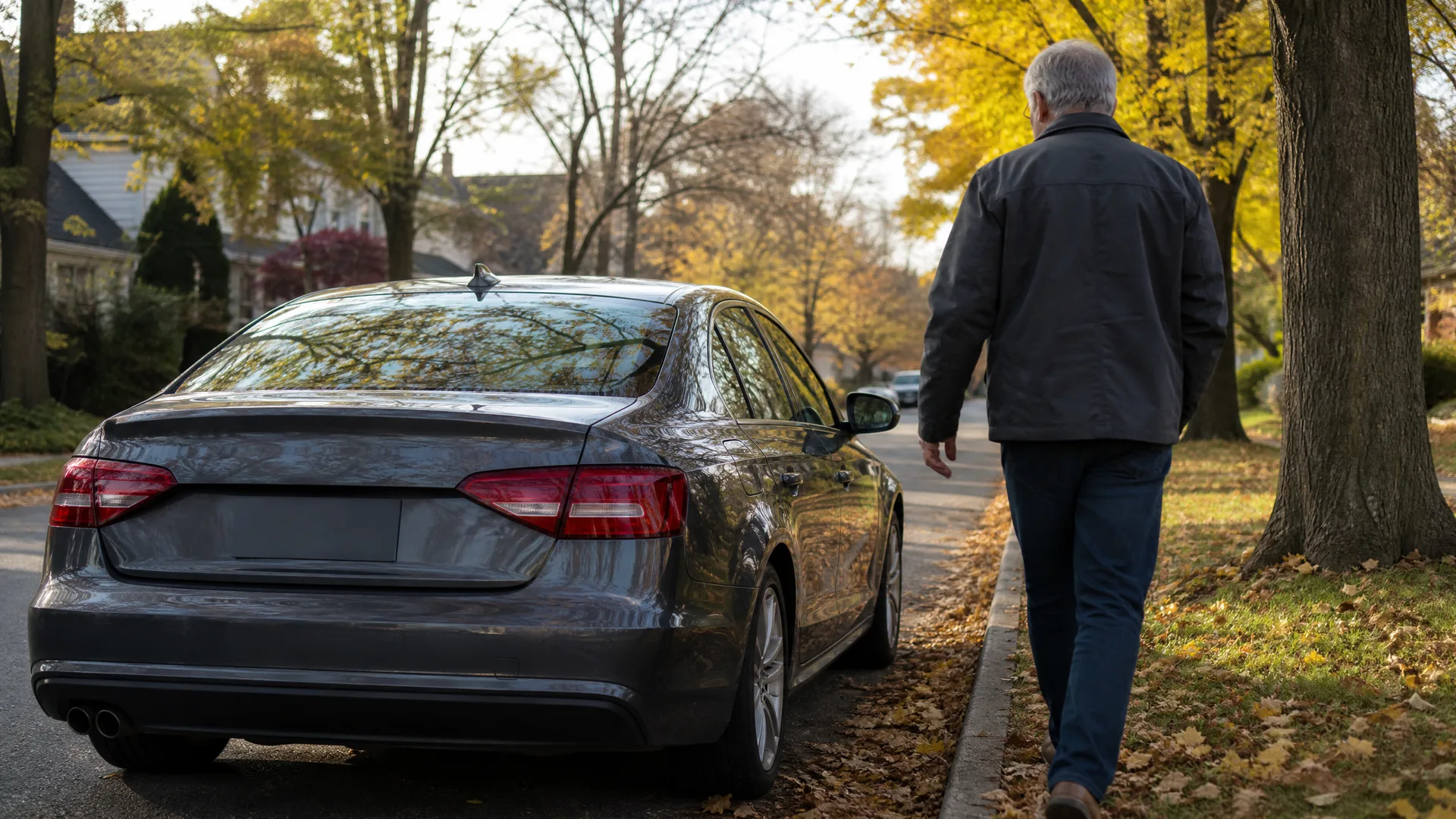
Call your lender this week and get written confirmation that your loan balance is at zero and the title is clear. Then call your insurer and ask them to remove gap insurance from your policy, since it has nothing left to cover. Check your next billing statement to make sure the charge is actually gone. If you financed a lease buyout or a second loan on the same car, confirm that balance separately before you cancel anything. Keep the payoff letter from your lender in case your insurer asks for proof.