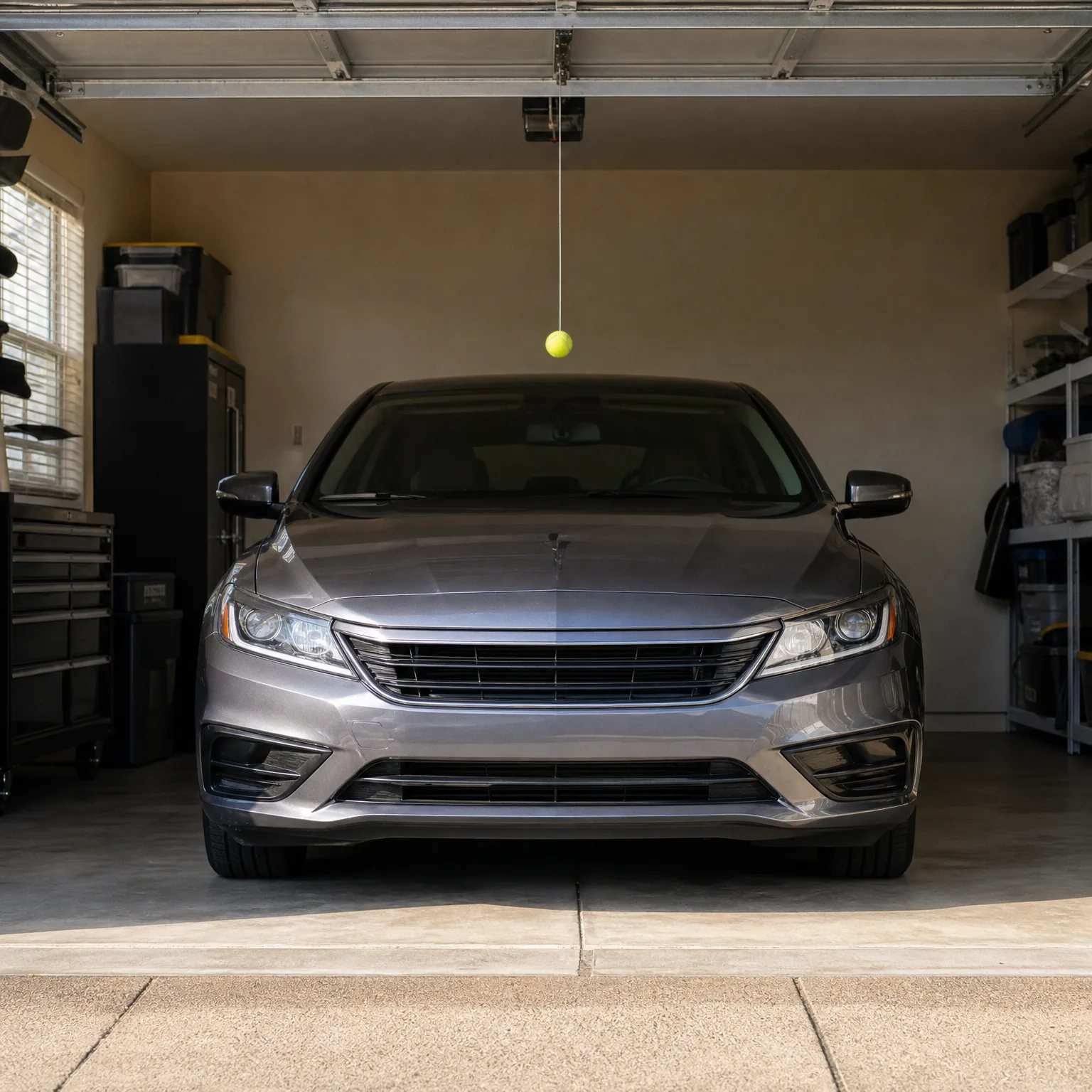
Should I Sell My Late Spouse's Car or Keep It Insured
There's no single right answer, it depends on whether you'll actually drive or use the car and what it costs to insure on its own.
Free to compare
It depends on whether the car earns its keep
If you'll drive the car yourself, or someone in your household will, keeping it insured usually makes sense. If it's going to sit in the driveway, the insurance cost is money spent on nothing.
The decision also depends on what the title says and what your insurer will let you do with the policy. A car titled only in your spouse's name may need to go through the estate or be retitled before an insurer will cover it under your name, so that step often comes before the decision to sell or keep.

What's on the title and the policy
An insurer can't keep covering a car as if nothing changed. Most policies are written to a named driver, and when that person has died, the insurer needs to know who owns the car now and who will be driving it.
If the car was titled jointly with you, this is usually simpler. If it was titled only in your spouse's name, you may need to retitle it through probate or a small estate process before you can insure it or sell it. The rules for this are set by your state, so check with your state's motor vehicle agency or the attorney handling the estate.
Tell your insurer about the death as soon as you can, even before you've decided what to do with the car. They'll tell you what they need to keep the policy active, adjust it, or let it lapse without a penalty for the car you're not driving.
If you do decide to sell, having the title cleared up first will make the sale faster. A buyer and their lender will want a title that matches the seller.
What the car actually costs to keep
A second car sitting unused still costs something. Comprehensive coverage alone, which most lenders and lienholders require if there's a loan on it, has a premium even if no one drives it.
Ask your insurer what it would cost to insure just that car on your policy, separate from any car you already drive. Compare that to what you'd spend on registration, maintenance, and storage for a car that isn't being used. If the numbers don't make sense, selling is usually the more practical choice.
There are reasons to keep it anyway. If an adult child or another family member will drive it, if it holds sentimental value you're not ready to part with, or if you're not ready to make the decision yet, you can ask your insurer about a storage or reduced-use policy that covers the car for damage and theft without full liability coverage, since it isn't being driven.
If you do decide to sell, ask your insurer when coverage should end. Canceling too early leaves the car uninsured while it's still in your name. Canceling too late means paying for coverage on a car you no longer own.
Questions people ask about this
Do I need to notify my car insurance company when my spouse dies?
Yes, you should tell your insurer as soon as you reasonably can. They need to know who the policy should now be in and who will be driving any cars on it, and they can tell you what paperwork they need, such as a death certificate.
Can I drive my deceased spouse's car before I retitle it?
This depends on your state and on whether the car is insured under a policy that covers you as a driver. Some states allow a surviving spouse to drive and even register a jointly used car for a period before formal retitling, but the rules vary, so check with your state's motor vehicle agency.
What happens to a car loan if my spouse dies and I sell the car?
The loan doesn't go away because the car is sold. Any lienholder needs to be paid off before the title can transfer to a buyer, so contact the lender to find out the payoff amount and how they want the sale handled.
Should I keep my spouse's car insurance policy separate or combine it with mine?
Most insurers will let you combine cars onto one policy once the title and driver information are sorted out, and this is often simpler to manage than keeping two policies. Ask your insurer whether combining changes your overall premium before you decide.
Will my insurance rate go up after removing my spouse from the policy?
It depends on your insurer and on what your spouse's driving record and age added to the policy. Ask your insurer directly how removing a driver and adding or removing a car will change your premium, since this varies by company.
If you're ready to see what it would cost to keep the car insured, or to insure just your own, compare quotes before you decide.

Call your insurer this week to report the death and ask what they need to keep the policy active or to remove the car from it. At the same time, contact your state's motor vehicle agency or the estate's attorney to find out what's needed to retitle the car in your name. Get a quote for insuring the car on its own so you know the real cost of keeping it. If you decide to sell, ask your insurer when to end coverage so there's no gap and no overlap. Keep the death certificate and title paperwork together, since you'll likely need both more than once.