Should I Switch From Full Coverage to Liability Only
It depends on what your car is worth and whether you could cover a loss on it yourself.
Free to compare
It makes sense once your car is worth less than the coverage costs you
Dropping full coverage for liability only is usually the right move once your car's value has dropped enough that paying for collision and comprehensive coverage no longer makes financial sense. Liability only covers damage you cause to someone else. It pays nothing toward your own car if you crash, if it's stolen, or if a tree falls on it.
The decision comes down to one comparison. What you pay for full coverage each year against what you'd get back if the car were totaled. If the payout would be small and the premium is high, liability only can save you money. If you couldn't afford to replace the car out of pocket, full coverage is still protecting something real.
What your car is actually worth
Get an honest number for your car's current value, not what you paid for it or what you think it should be worth. A few years of age and mileage can cut that number substantially. Once you have it, ask your insurer what you're paying specifically for collision and comprehensive coverage, separate from liability. That's the part you'd be dropping.
If the car is paid off and worth a modest amount, the math often favors liability only. The insurance payout on an older car, after your deductible is subtracted, may not be much more than a year or two of what you're paying for that coverage.
If you still owe money on the car, this decision usually isn't yours to make. Lenders and leasing companies require full coverage until the loan is paid off, and dropping it without telling them can violate your loan agreement. Check your loan terms before you change anything.
If the car has features that are expensive to replace, like a newer transmission or added equipment, factor that into the value too. The payout is based on what the car is worth now, not what it would cost to replace those parts.
Whether you could cover a loss yourself
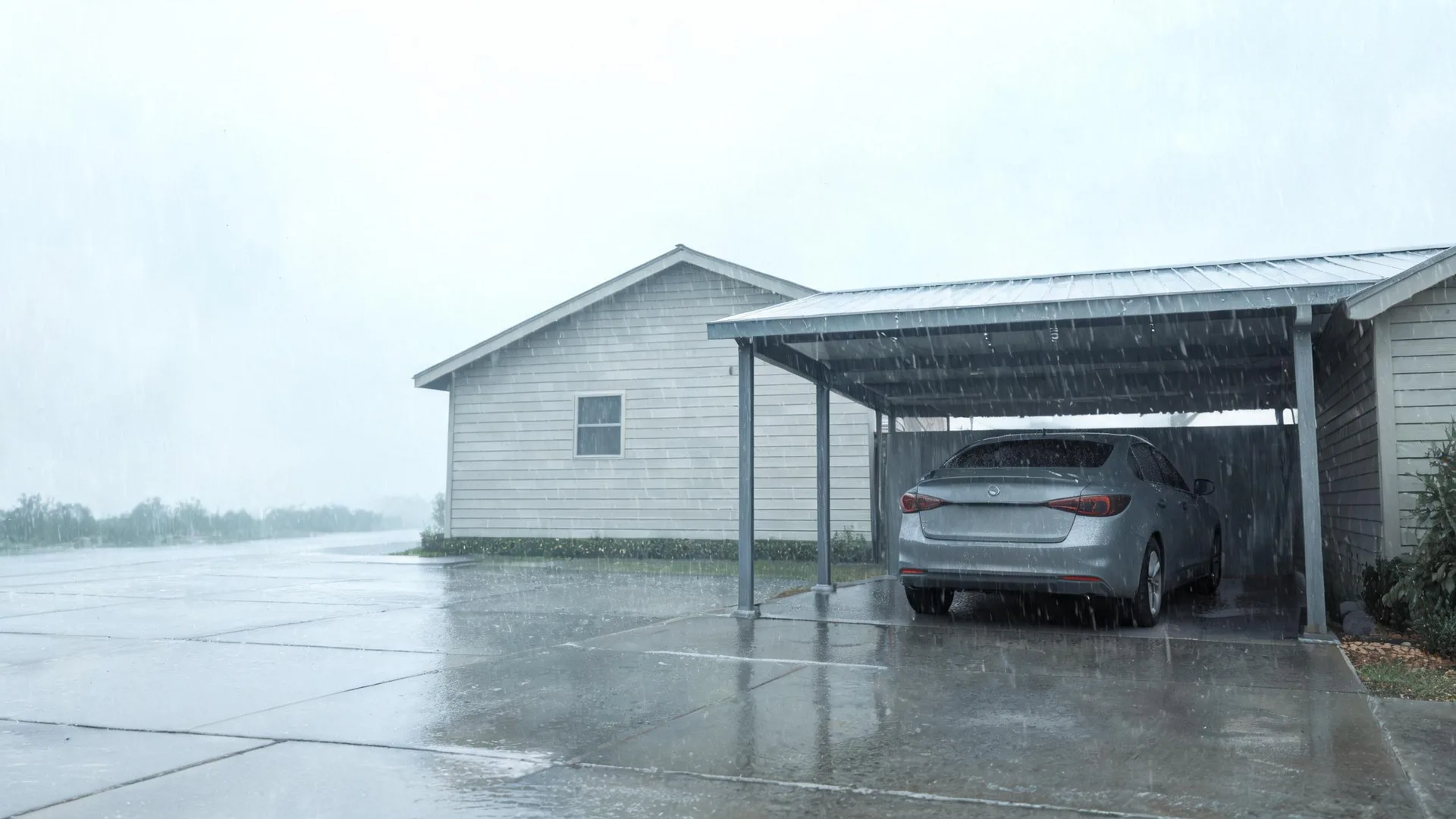
Full coverage exists for the moments liability only doesn't touch. Your car is stolen. It's damaged in a storm. You hit a deer or slide into a guardrail with no other car involved. Liability only pays nothing in any of those cases.
Before you drop it, ask yourself honestly whether you have enough set aside to replace the car, or go without one for a while, if one of those things happened tomorrow. If the answer is yes, liability only is a reasonable trade. If the answer is no, the premium you'd save might not be worth what you'd lose.
This is also where a lot of people get it wrong. They look at the chance of a major accident and decide it's low, so they drop coverage. But theft, vandalism, and weather damage don't depend on how carefully you drive. They're worth weighing on their own, separate from your accident history.
If you're unsure, ask your insurer to show you the full coverage premium and the liability only premium side by side, along with what your deductible would be on a claim. Seeing the actual numbers for your policy is more useful than any general rule.
Questions people ask about this
How do I find out what my car is worth for insurance purposes?
Your insurer uses a valuation method to estimate your car's current market value, and you can ask them directly what they'd use for your car. You can also check private valuation guides for a second opinion. Keep in mind this number reflects what similar cars are selling for now, not what you paid or what repairs might cost.
Can I switch back to full coverage later if I change my mind?
In most cases yes, you can add collision and comprehensive coverage back onto your policy at any time. Your premium will reflect your car's value and driving record at that point, not what it was before. If there's been a gap in coverage or a change in your record, ask your insurer how that affects the new rate.
Does liability only cover a rental car if mine is in the shop?
Liability only covers damage you cause to others, so it typically doesn't extend to a rental car the way full coverage might. Whether you need separate rental or replacement coverage depends on your policy and your insurer's terms, so ask them directly what protection you'd have while your own car is being repaired.
Will dropping full coverage affect my rate if I add another car later?
Adding a car is a separate decision from what coverage you carry on an existing one, so it shouldn't directly change how your current policy is priced. But ask your insurer how multi-car discounts or bundled coverage work, since the combination of vehicles and coverage levels on one policy can affect your total premium.
What happens if I total the car after dropping full coverage?
With liability only, your insurer won't pay anything toward replacing or repairing your own car in that situation, no matter who caused the accident. You'd be responsible for the full cost yourself. This is the main risk to weigh before switching, and it's worth being clear-eyed about before making the change.
See what liability only would actually save you before you decide.
Pull up your current policy and find the breakdown between liability, collision, and comprehensive coverage. Call your insurer and ask what each piece costs separately and what your deductible would be on a claim. Look up your car's current value using a couple of different sources so you're not relying on one number. If you still owe money on the car, check your loan agreement for a full coverage requirement before you do anything else. Once you have the real numbers in front of you, compare quotes for both coverage levels so you can see the actual difference for your situation rather than guessing at it.