Should Seniors Bundle Home and Auto Insurance
Bundling usually saves money and simplifies your paperwork, but it only makes sense if both policies are competitive on their own.
Free to compare
Yes, for most seniors bundling is worth considering
Bundling your home and auto insurance with one company usually brings the price down on both policies, and it means one renewal date, one agent to call, and one bill to track instead of two. For a lot of seniors, that simplicity matters as much as the savings.
But bundling only pays off if the insurer is actually competitive on both policies. Some companies offer a strong discount for bundling but charge more than average to begin with, so the bundled price can still be higher than buying the two separately from different insurers. The only way to know is to compare your current bundled price against what you'd pay buying each policy on its own.
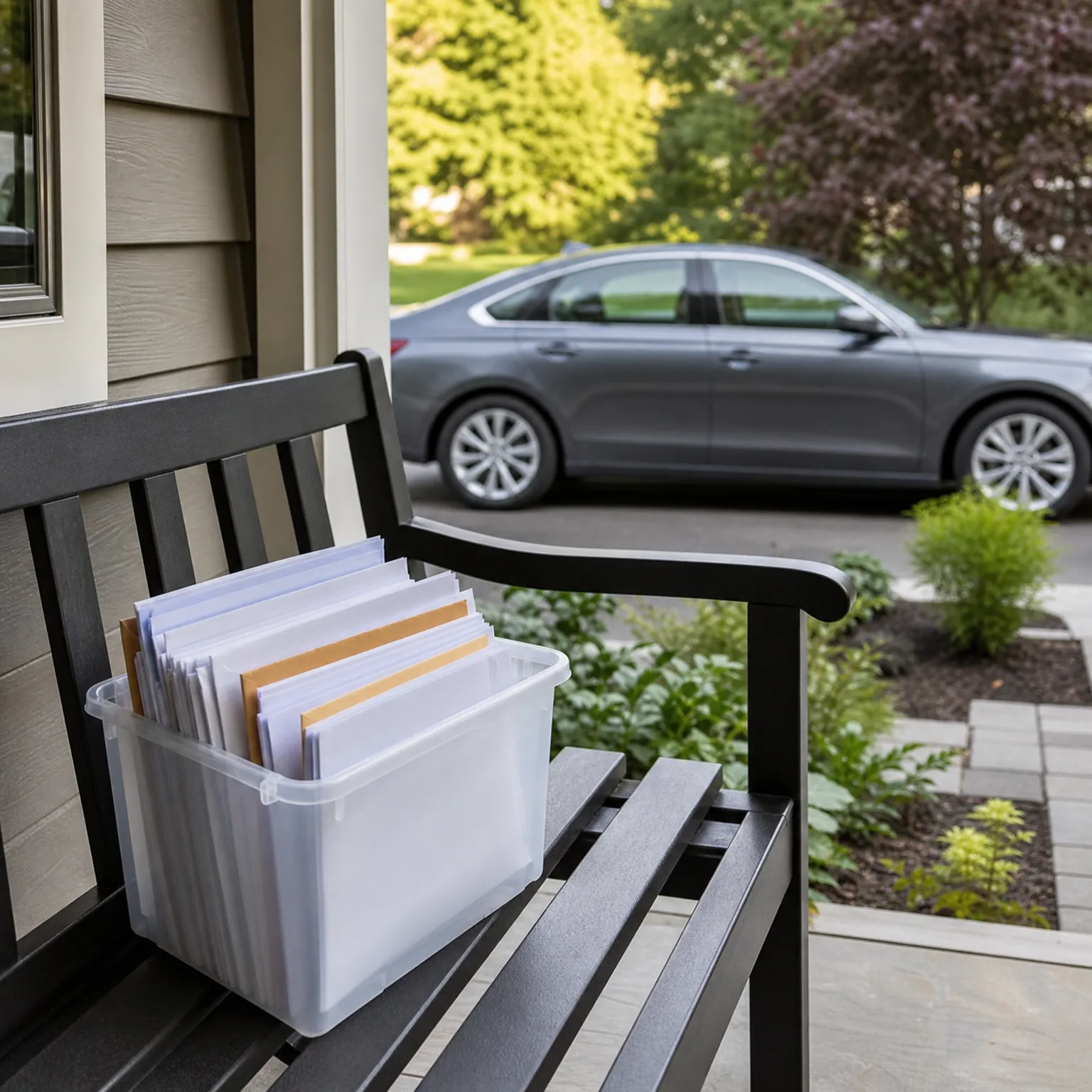
What your current insurer charges for each policy separately
Ask your insurer, or check your renewal documents, for the price of your home policy and your auto policy as if they were not bundled. Most insurers can show you this, or you can tell from the discount line on your bill.
If the gap between bundled and separate is small, it may not be worth staying with an insurer whose base rates are high just to keep the discount. A different company might beat the bundled price with its auto policy alone, even before any discount.
This matters more the longer you've been with one insurer. Loyalty discounts and bundling discounts can make a long-standing policy feel like a good deal when the underlying rate has crept up over the years without you noticing.
Whether your home and auto needs still match what you're paying for
Bundling makes the most sense when both policies are doing useful work. If you've paid off your home, drive less than you used to, or no longer need everything your auto policy covers, it's worth checking that you're not paying for coverage that made sense years ago but doesn't now.
A lot of seniors keep both policies with the same insurer because switching feels like a hassle, not because they've checked recently that the coverage still fits. Reviewing both policies together, rather than each on its own, is often what reveals that.
If your auto coverage or your home coverage needs to change anyway, that's a natural point to also ask whether bundling still makes sense, or whether a different insurer would now serve you better on one or both.
Questions people ask about this
Does bundling home and auto insurance affect my ability to switch one policy later?
You can usually switch one policy without canceling the other, but you may lose the bundling discount on the policy you keep. Ask your insurer how the discount is calculated so you know what changes if you move one policy elsewhere.
Can I bundle auto insurance with a reverse mortgage or home equity loan on the property?
Bundling home and auto insurance is separate from how your home is financed. A reverse mortgage or home equity loan doesn't change whether you can bundle, though your lender may have its own requirements for home insurance coverage worth checking.
Is it harder to bundle insurance after a certain age?
Age itself doesn't usually prevent bundling. Insurers set their own underwriting rules, so if you have concerns about your record or your home's condition affecting eligibility, ask the insurer directly how they evaluate a bundled application.
Will my senior driving discount still apply if I bundle my policies?
That depends on the insurer. Some apply driving discounts and bundling discounts together, others cap the total discount you can receive. Ask how the two discounts interact before assuming they both apply in full.
Should I bundle insurance for a car I only drive occasionally now that I'm retired?
It can still make sense, but tell your insurer how often you actually drive, since some offer lower rates for reduced mileage. Whether that lower auto rate changes the value of bundling is worth asking about directly.
Compare what your home and auto would cost bundled against what they'd cost separately before you decide.
Pull your current renewal notice and find the separate prices for your home policy and your auto policy, not just the bundled total. Call your insurer and ask them to break this down if it isn't already shown. Then get quotes for both policies from at least one other insurer, bundled and separate, so you have real numbers to compare. If you've had a change at home, like paying off the mortgage, or a change in driving, like putting fewer miles on the car, mention that when you ask for quotes since it can affect the price on either side. Make the comparison before your renewal date arrives, since that's when you have the most room to switch without a gap in coverage.