
Should Seniors Raise Their Car Insurance Deductible
A higher deductible can lower your premium, but it only makes sense if you can comfortably cover that amount if you need to file a claim.
Free to compare
It depends on your savings, not your birthday
Raising your deductible usually lowers your premium, and that part has nothing to do with age. What matters is whether you have the money set aside to pay that higher deductible if you're in an accident. If a sudden repair bill would strain your budget, a lower deductible is worth the extra premium.
For some retirees on a fixed income, a higher deductible frees up money each month that's easier to count on than savings they'd rather not touch. For others, especially those driving less or driving an older car, a lower deductible gives peace of mind that's worth paying for. The right answer comes from your own finances, not from a rule about age.

How much you drive now
Many people drive less after they retire. Fewer miles on the road means fewer chances of a claim, and that changes the math on a higher deductible. If you're mostly making short local trips, the odds of needing to pay that deductible are lower than they were when you commuted daily.
If your driving has dropped, ask your insurer whether you qualify for a low-mileage discount in addition to any change in deductible. The two aren't the same thing, and some insurers offer one without automatically applying the other.
If you still drive regularly, for errands, visits to family, or trips outside town, weigh the deductible change against how often you're actually on the road, not how often you used to be.
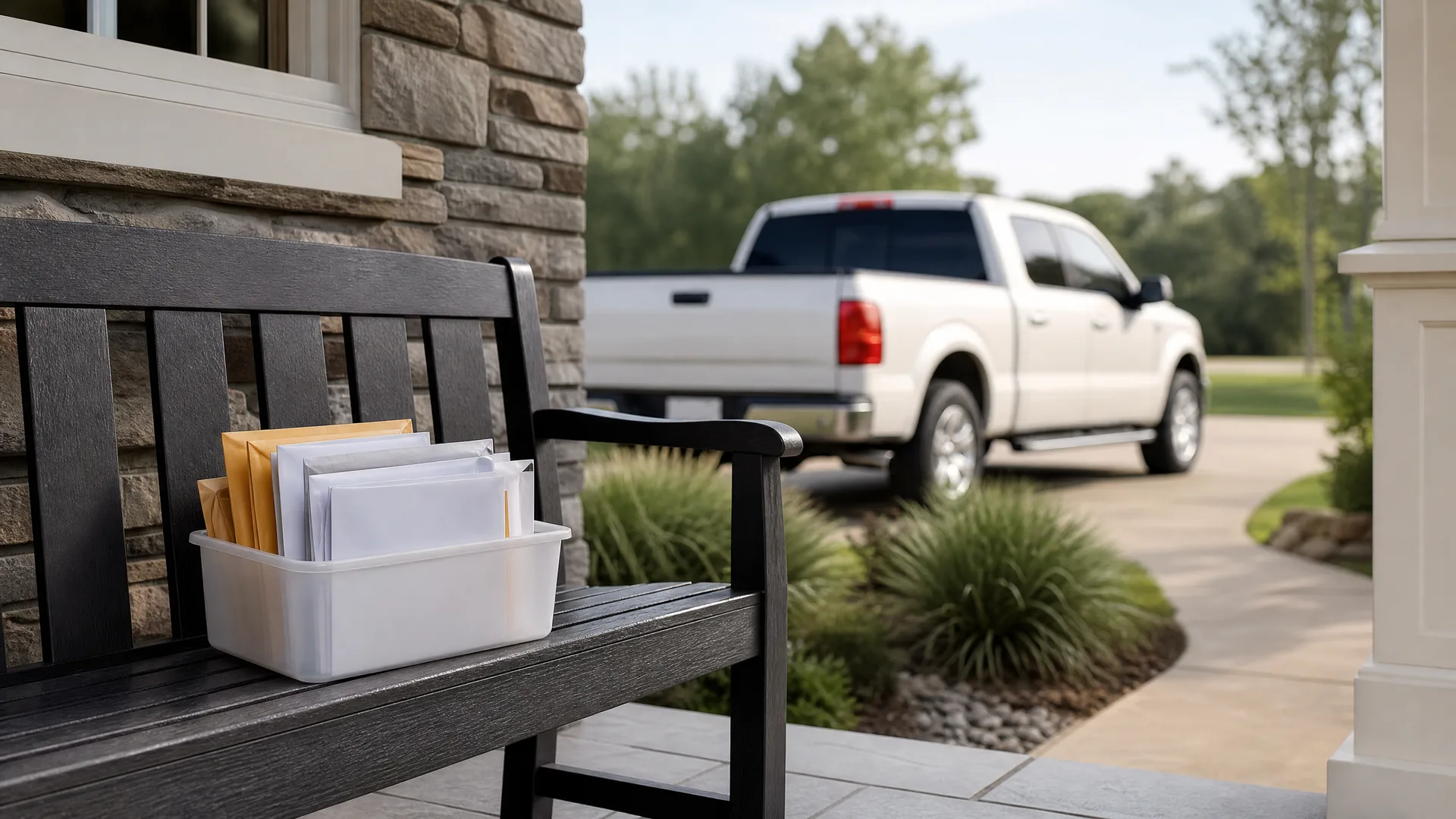
What a claim would cost you right now
A higher deductible only saves you money if you can pay it without trouble. Before you raise it, look at what you'd actually have on hand to cover a claim this year, not what you expect to have eventually.
If you have an emergency fund that easily covers a higher deductible, raising it is a straightforward way to lower your premium. If paying that amount would mean borrowing or dipping into money set aside for something else, the lower deductible is worth keeping even if it costs more now.
Also think about your car itself. An older car with a lower value may not be worth comprehensive or collision coverage at all, which is a separate question from the deductible but one worth asking your insurer at the same time.
Questions people ask about this
Does raising my deductible affect my ability to get other discounts?
No, your deductible and your discounts are evaluated separately. A deductible change affects your premium directly by shifting more of the cost of a claim to you. Discounts like safe driving or course completion are separate reductions. Ask your insurer to show you both on your renewal so you can see the effect of each.
Can I change my deductible back later if I need to?
Yes, in most cases you can ask your insurer to lower your deductible again at any point, not just at renewal. Your premium will go back up to reflect the lower deductible. If your financial situation changes, call your insurer and ask what adjusting it again would cost.
Should I have a different deductible for comprehensive and collision?
You can usually set these separately, and many drivers do. Comprehensive covers things like weather damage or theft, which may feel less likely to you than a collision claim, or the other way around. Ask your insurer whether they allow different deductibles for each and what each option would cost.
Does my driving record affect whether I should raise my deductible?
Your driving record affects your premium, but it doesn't change whether a higher deductible is the right choice for you. That choice comes down to what you can afford to pay out of pocket. A clean record may already be keeping your premium lower, which is worth asking your insurer about separately from any deductible change.
Will a higher deductible change how my insurer handles a small claim?
Yes, in effect. If a repair costs less than your deductible, you'll pay for it yourself rather than filing a claim at all. Some drivers raise their deductible specifically to avoid filing small claims, since a claim history can affect future premiums. Ask your insurer how they count claims below the deductible, since this varies by company.
See what a higher or lower deductible would actually mean for your premium.
Pull out your current policy or renewal notice and find your deductible and premium for comprehensive and collision coverage. Call your insurer or agent and ask what your premium would be at a higher deductible and at a lower one, so you're comparing real numbers instead of guessing. At the same time, look at your savings and ask yourself honestly what you could pay today if you needed to file a claim. If you've started driving less, ask about a low-mileage discount while you're on the phone, since it's a separate conversation from the deductible. Make the decision based on what you can afford this year, not on what seems typical for someone your age.