
Should You Switch Car Insurance Every Year?
There's no rule that says you should switch every year, but checking every year is how you find out whether you should.
Free to compare
Switch when a better price shows up, not on a schedule
You don't need to switch car insurance every year. What you need is to check every year, because insurers raise renewal prices on existing customers more often than they raise prices for new ones. Whether that means you should actually switch depends on what a quote from another insurer looks like next to your renewal notice.
For a driver your age, this check matters more than it used to. Insurers price differently once you're older, and some companies treat long tenure as a reason to hold your rate steady while others let it drift up. You won't know which kind yours is unless you compare.
Your driving record decides how much switching is worth it
If your record is clean, you're in the strongest position to switch, because a clean record is what insurers compete hardest for. A new insurer has every reason to offer you a lower rate to win your business, and you have nothing in your history that would make them hesitate.
If you've had a recent claim or a ticket, switching gets more complicated. Some insurers will quote you a higher rate because of it, and your current insurer may already have priced that in and not raise you further. The only way to know is to get a quote and compare it line by line against your renewal.
If your record has been clean for a long stretch, ask your current insurer directly whether that's reflected in your renewal price. Some companies have a discount or a rate tier for long, clean records that doesn't apply automatically. You may be paying more than you need to simply because nobody asked.
What most people get wrong about loyalty
Many drivers assume staying with the same insurer for years earns them a better rate over time. For some insurers it does. For others, the opposite happens, because they count on existing customers not shopping around and raise renewal prices faster than they raise prices for new customers.
The only way to find out which kind of insurer you have is to get an outside quote and compare it to your renewal notice. If the outside quote is lower for the same coverage, that tells you something concrete about how your insurer treats renewals.
It's also worth asking your current insurer whether they'll match or adjust your rate before you leave. Some will, especially if you can show them a competing quote. That conversation costs you nothing and it's worth having before you commit to switching.
Questions people ask about this
How often should I compare car insurance quotes?
Checking once a year, around your renewal date, is enough for most drivers. Your premium is most likely to change at renewal, so that's when a comparison tells you the most. Checking more often than that rarely turns up anything new unless something in your situation has changed, like a move or a new car.
Will switching insurers cancel my current discounts?
It depends on the insurer and the discount. Some discounts are tied to how long you've held the policy and won't transfer. Others, like a safe driving course discount or a bundling discount, may be available with a new insurer too, but you'll need to ask and provide the same documentation again.
Does switching car insurance affect my driving record?
No. Your driving record is maintained by the state, not by your insurance company, and it doesn't change based on who insures you. What can change is how a new insurer rates that record, since insurers weigh past claims and violations differently.
Is it harder to switch car insurance as a senior?
Not generally, but some insurers ask more questions or require more documentation from older drivers, particularly around vision and health. This varies by company and sometimes by state, so it's worth asking a prospective insurer directly what they require before you commit to switching.
What happens if I switch mid-policy instead of waiting for renewal?
You can usually switch at any time, not just at renewal, and most insurers will prorate a refund for the unused portion of your current policy. Ask your current insurer whether they charge a cancellation fee, since that varies by company and could offset some of the savings from switching.
See what another insurer would charge you before you decide whether to stay or go.

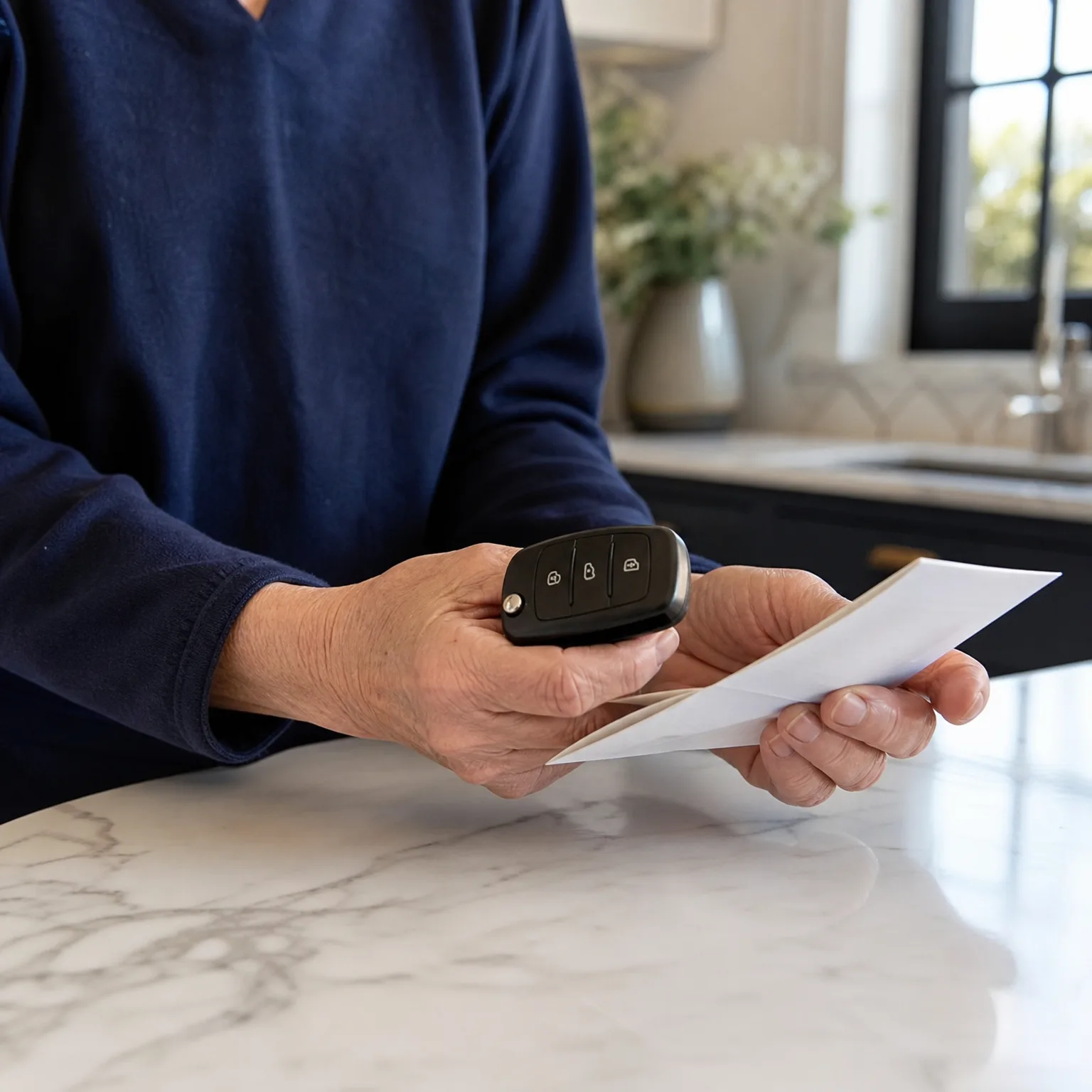
Pull out your renewal notice and write down exactly what coverage it lists, including your liability limits and any discounts applied. Get a quote for that same coverage from at least one other insurer this week, while the renewal notice is in front of you. Compare the two side by side, not just the total price but what each one actually covers. If the outside quote is lower, call your current insurer and ask if they'll match it before you switch. If you decide to switch, confirm your new policy's start date before you cancel the old one, so you're never without coverage.