Snowbird Car Insurance in Nevada
Your policy needs to match where your car actually spends the year, not just the address on your license.
Free to compare
You can keep Nevada coverage, but you have to tell your insurer where the car really sits
Nevada lets you register and insure a car there even if you spend part of the year somewhere else. Nothing stops you from keeping your Nevada policy while you winter in Arizona or summer in a cooler state. The question is whether your insurer knows about the arrangement.
Insurers price a policy partly on where the car is garaged most of the year. If you tell them the car sits in a Las Vegas driveway and it actually spends half the year in Phoenix, that's a mismatch they can use against you if you ever file a claim. Call your agent and tell them the real pattern. Most insurers have a way to handle this, either through the same policy or an endorsement for a secondary location.
Where the car is garaged most of the year
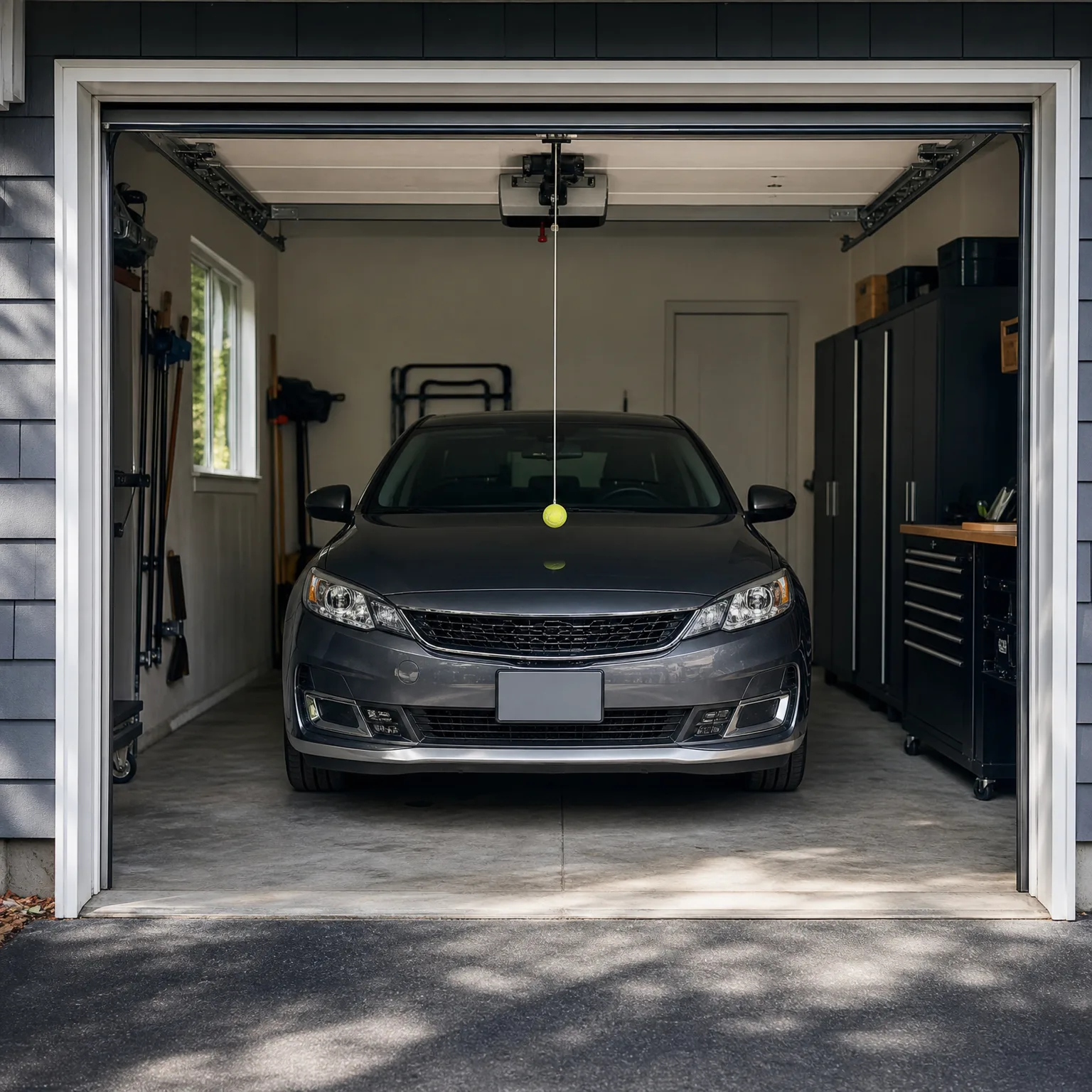
Insurers ask for a garaging address because it drives a good part of your rate. Theft rates, weather, accident frequency, even local repair costs all differ by location, and your premium reflects the address you give them.
If you split your year between two states, decide honestly which one the car sits in longer, and tell your insurer about the other. Some insurers will ask for the second address and note it on the file. Others may have nothing to add unless something changes, like you deciding to register the car in the second state instead.
Don't leave this to guesswork. An agent who doesn't know you winter elsewhere can't price the policy correctly, and a claim adjuster who finds out later may question why the garaging address didn't match where the car was when the accident happened.
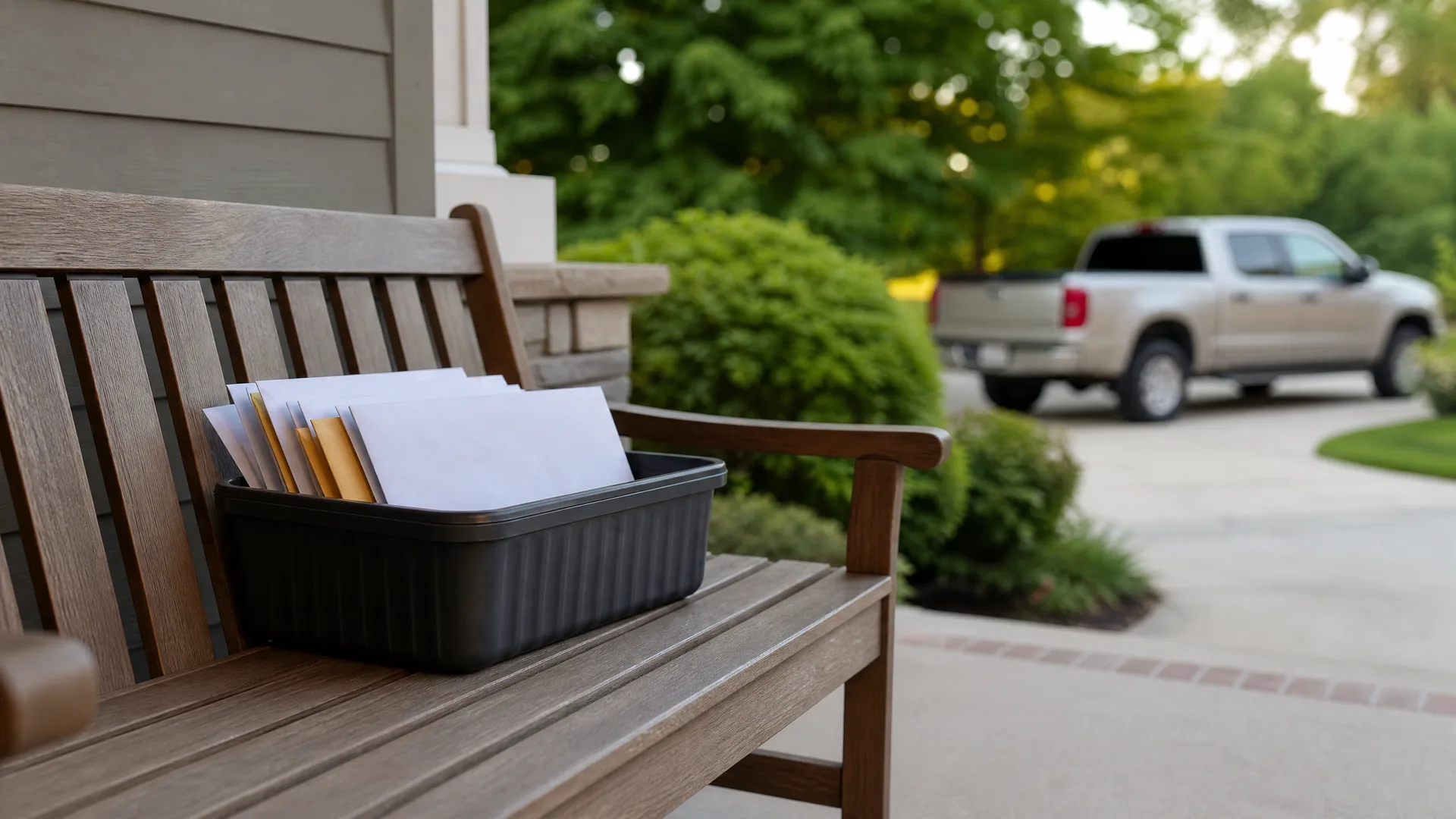
Whether the car is driven, stored, or loaned out while you're away
What happens to the car during the months you're gone changes what you need from the policy. A car parked in a garage the whole time is a different risk than one a relative or neighbor drives occasionally.
If the car sits unused, ask your insurer whether a reduced coverage option makes sense for those months, something that still protects against theft or weather damage without charging for daily driving risk you're not taking on.
If someone else drives it while you're away, that person may need to be listed on the policy. An unlisted driver in an accident can complicate a claim, even if the policy itself was otherwise in order.
Either way, tell your insurer the plan before you leave, not after something happens.
Questions people ask about this
Do I need to register my car in both states if I'm a snowbird?
Usually not, registration follows one home state, the one where the car is principally garaged and where you hold your driver's license. Check with Nevada's DMV and the state you winter in to confirm neither considers your stay there long enough to require local registration.
Can I pause my car insurance while I'm away if I'm not driving it?
Some insurers offer a reduced coverage option for cars that sit unused, rather than a full pause. Ask your insurer directly what they offer, since letting coverage lapse entirely can leave the car uninsured against theft, fire, or weather damage, and may affect your rate when you reinstate full coverage.
Does my Nevada policy cover accidents that happen in another state?
Your policy's liability coverage generally follows you across state lines, but the amount of coverage you're required to carry can vary by state. Check with your insurer to confirm your policy meets the minimum requirements wherever you're driving.
Will my rate go up if I tell my insurer I spend part of the year elsewhere?
It depends on the two locations and how the insurer weighs the risk of each. Sometimes the rate goes down because the car sits unused part of the year, sometimes it changes very little. Ask your agent to run the numbers both ways before you decide what to report.
Should I switch to a policy in the state where I spend winters instead?
That depends on where you're genuinely domiciled, meaning where you vote, hold a license, and intend to return. If Nevada remains your legal home, your policy should generally stay there. If your situation has shifted and you spend most of the year elsewhere, ask an agent in both states which one actually reflects your life now.
See how insurers price a policy for your actual routine before you renew.
Before your next renewal, write down exactly how many months the car spends in Nevada versus anywhere else, and who drives it during the months you're away. Call your current agent and walk through that pattern with them, rather than letting the policy renew on autopilot. Ask directly whether your rate reflects the real garaging situation and whether a secondary address or reduced coverage period would change the cost. If you're not sure your current insurer handles snowbird arrangements well, use this as the moment to compare quotes from insurers who can speak to it clearly. Keep any written confirmation of what you told your insurer, in case a claim ever requires you to show you disclosed the arrangement.
Senior car insurance in Nevada: rates, discounts and what the state requires