The Snowbird Life: Car Insurance for Two Homes
You need to tell your insurer where each car actually lives most of the year, because that address drives your rate and your coverage.
Free to compare
Yes, your policy needs to reflect both homes, and one of them is the one that counts
Your insurer prices your policy based on where the car is garaged most of the year, not where you're registered to vote or where your house happens to be bigger. If you spend real stretches of the year at a second home, especially one in another state, your insurer needs to know that. Leaving it off doesn't save you money. It just means your policy was written on information that wasn't true.
Most snowbirds keep one car at each home, or move one car between them for months at a time. Either way, tell your agent the real pattern. They'll tell you whether your current policy covers it as is, or whether something needs to change.
Which state the car is garaged in for most of the year
Car insurance is priced and regulated by state, and your rate reflects the state where your car spends most of its time, along with that state's accident rates, repair costs, and minimum coverage laws. If you winter somewhere for months at a stretch, your insurer may consider that your car's real home base, not your other address.
This isn't just a formality. If you're in an accident while the car is garaged somewhere other than what's listed on your policy, your insurer can look at where the car actually was and ask why that doesn't match what they were told. That's a worse conversation to have after a claim than before one.
If you own a car at each home, you may need two policies, one through each state's licensed insurers, rather than one policy trying to cover both. Ask your agent directly whether your situation calls for that, since it depends on how long you're in each place and whether the car ever leaves the state it's registered in.
Some insurers write policies specifically for seasonal residents and can explain how they handle a car that sits unused for part of the year. Ask whether your policy adjusts coverage or price while the car is parked and not being driven.
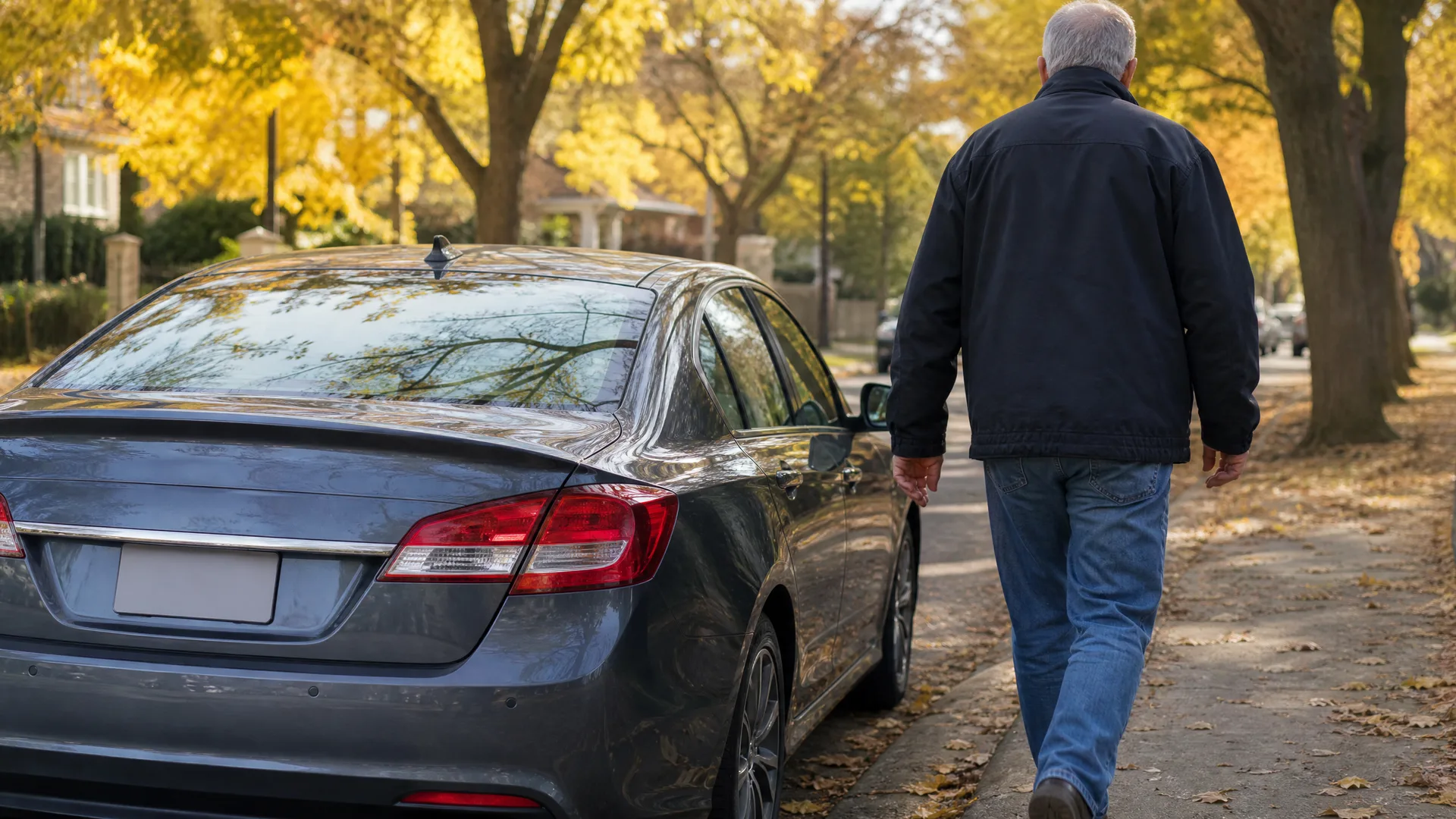
What most people get wrong: assuming one policy automatically follows them
A lot of snowbirds assume their existing policy just covers them wherever they go, the way health insurance might have a network that travels with you. Car insurance doesn't work that way. A policy is written against a specific car at a specific address, and if that address stops being accurate for months out of the year, the policy may not be doing what you think it's doing.
The other common mistake is letting a car sit unused at the second home without telling the insurer. Some policies have different terms for a car that's parked and not driven versus one in regular use. If yours does, sitting idle without adjusting the policy means you could be paying for coverage you don't need, or missing coverage you do.
If you're keeping a car at each home, check whether both cars are even listed on the same policy, and whether that insurer is licensed to write policies in both states. Not every insurer operates everywhere, so your two cars might end up needing two separate insurers regardless of what you'd prefer.
None of this is a reason to avoid having a car in each place. It's a reason to say so out loud to whoever insures you, rather than letting the policy quietly fall out of date with your life.
Questions people ask about this
Do I need two car insurance policies for two homes in different states?
You might, depending on whether you keep a car at each home or move one car back and forth. If each home has its own car, you likely need a policy for each, since insurers are licensed state by state. If one car travels with you, a single policy may work, but tell your insurer the car changes states for part of the year so they can confirm it's covered correctly.
Does car insurance cost less in a different state?
It can, because rates are set by state and reflect local accident rates, repair costs, and coverage laws, but that's not something you can count on without checking. Ask your agent to compare what the same coverage would cost if the car were primarily garaged in your other state.
What happens to my car insurance if my car sits unused for months?
That depends on your policy and your insurer. Some policies let you reduce certain coverage while a car is parked and not being driven, which can lower your premium for that stretch. Ask your insurer directly whether they offer this and what it requires, since leaving coverage unchanged by default may mean paying for protection you don't need while the car sits still.
Do I need to change my driver's license if I spend half the year somewhere else?
This is governed by your state, not your insurer, and the rules on residency and licensing vary. If you're unsure whether spending part of the year elsewhere affects your license or registration, check with your state's DMV directly rather than guessing, since the answer isn't the same everywhere.
Will my insurer drop me for having a car registered in two states?
An insurer isn't going to drop you simply for having homes or cars in two states, but they do need accurate information about where each car is actually kept. Problems come from the mismatch between what's on the policy and what's true, not from the two-home arrangement itself. Keep your insurer updated and this isn't something to worry about.
If your situation involves two homes and possibly two states, it's worth comparing quotes built around how you actually live, not a guess based on one address.
Before your next renewal, call your agent and describe exactly how you split your time and where each car actually sits for most of the year. Have your renewal notice and both addresses in hand, along with how many months you're at each one. Ask directly whether your current policy covers this or whether you need a second policy for the other state. If you're told you need another insurer, ask for a comparison of what coverage would cost in each state before you commit to anything. Do this before your next trip, not after you're already there and something happens.