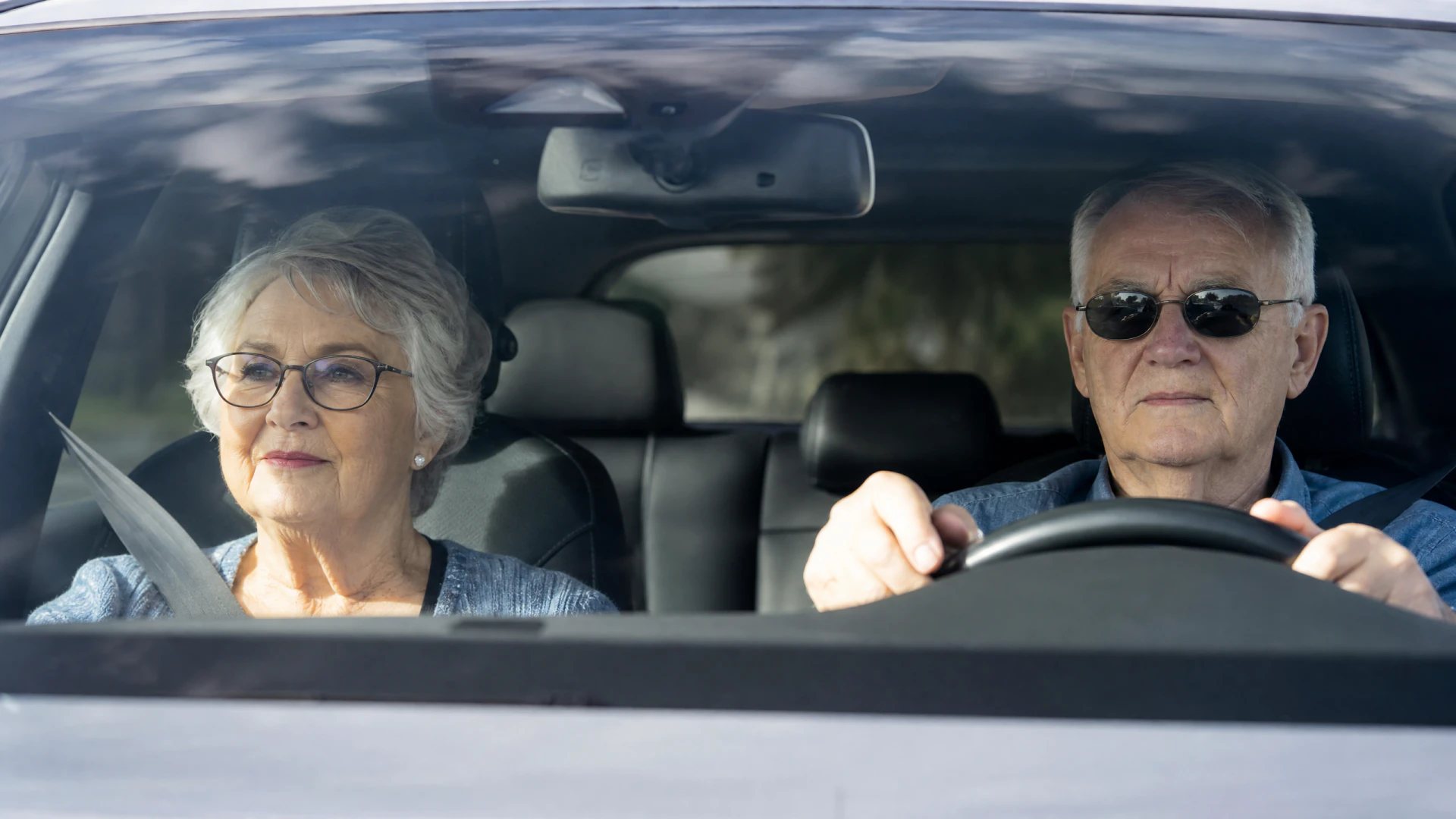
What Car Insurance Pays for Injuries to Your Passengers
Your liability coverage pays for injuries to your passengers when you cause a crash, and your own policy may cover them even sooner through medical payments or PIP.
Free to compare
Your policy covers passengers, not just other drivers
If you cause an accident, the liability portion of your car insurance pays for injuries to the people riding with you, the same way it pays for injuries to people in the other car. Your passengers are not excluded just because they know you or got in your car for free.
Many policies also carry medical payments coverage or personal injury protection, sometimes called PIP. That coverage pays for your passengers' medical bills right away, without anyone having to prove who caused the crash. Whether you have it, and how much it pays, depends on your state and what you bought.
Whether your state requires PIP or medical payments coverage
Some states require drivers to carry personal injury protection. In those states, your passengers' medical bills get paid through your PIP coverage regardless of fault, usually faster than a liability claim would move.
In states that don't require PIP, medical payments coverage is often optional. If you didn't add it, a passenger hurt in your car has to wait on the liability claim process, which only pays out if you were at fault.
Check your declarations page for PIP or medical payments coverage listed by name. If you don't see either one, call your insurer and ask directly whether your passengers have any coverage that pays before fault is decided.
This is worth knowing before something happens, not after. A passenger who assumed they were covered can be surprised to learn the claim depends on who caused the crash.

How many people were in the car and what your limits are
Liability coverage has a per-person limit and a total per-accident limit. If you had several passengers hurt in the same crash, the total payout is capped, and it gets divided among everyone with a claim.
This matters more than people expect. A policy that sounds like plenty of coverage for one injured passenger can fall short when there are three or four people hurt in the same accident.
If you often drive with others in the car, carpooling, driving family, giving friends rides, it's worth asking your insurer what your per-accident limit actually is and whether raising it makes sense for how you use your car.
Questions people ask about this
Does it matter if my passenger is a family member or a stranger?
No, your coverage applies the same way regardless of who the passenger is. Liability, medical payments, and PIP coverage don't ask about the relationship between you and the person riding in your car. The one exception is some policies exclude people who live in your household from certain coverage, so check your policy's definitions if you regularly drive with someone who lives with you.
What if the other driver caused the accident and I had passengers?
Your passengers would typically file a claim against the other driver's liability coverage instead of yours. If the other driver doesn't have enough coverage, your own uninsured or underinsured motorist coverage may apply. Ask your insurer how that coverage works for passengers specifically, since it can differ from how it works for you as the driver.
Do I need to add my passengers to my policy?
No, you don't list passengers on your policy the way you list drivers who regularly use your car. Anyone riding with you is automatically covered under your liability and medical payments or PIP coverage. You only need to list someone as a driver if they regularly drive your car themselves.
Will my rates go up if my passenger gets hurt in my car?
That depends on your insurer and whether you were found at fault for the accident. A claim paid out under your liability coverage because you caused the crash is treated like any other at-fault claim. Ask your insurer how they weigh claims like this before you assume either way.
Can my passenger sue me if they're hurt in my car?
In most states, yes, though it depends on state law and the circumstances. Your liability coverage exists partly for this reason, to pay for a passenger's injuries and legal costs if you're found responsible. If you're concerned about a gap, ask your insurer whether your liability limits are enough to cover a serious injury claim from a passenger.
See what passenger medical coverage looks like across a few policies before you decide what you need.
Pull out your current declarations page and look for medical payments or PIP coverage listed by name, along with your liability limits. Call your insurer or agent and ask plainly what happens if a passenger in your car is hurt, whether you caused the accident or not. Ask what the per-person and per-accident limits are, especially if you often drive with more than one other person. If you don't have medical payments or PIP coverage and your state doesn't require it, ask what it would cost to add. Do this before anyone is hurt, since a crash is not the time to find out what your policy actually covers.