What Car Maintenance Seniors Skip Most
The items skipped most are the ones that don't announce themselves until they fail.
Free to compare
Tires, brakes and fluids top the list
Tire tread, brake wear and fluid levels get skipped more than anything else, because a car can run for a long time without any of them being right. There's no dashboard light for tread depth or for brake pads wearing thin, so the car feels fine until it isn't.
This matters for any driver, but it matters more as reaction time slows and stopping distance becomes less forgiving. A car that stops a little late because of worn brakes or bald tires turns a near miss into a claim. It also matters because a mechanical failure tied to neglected maintenance can affect how a claim gets handled.
How often the car gets driven changes what wears out
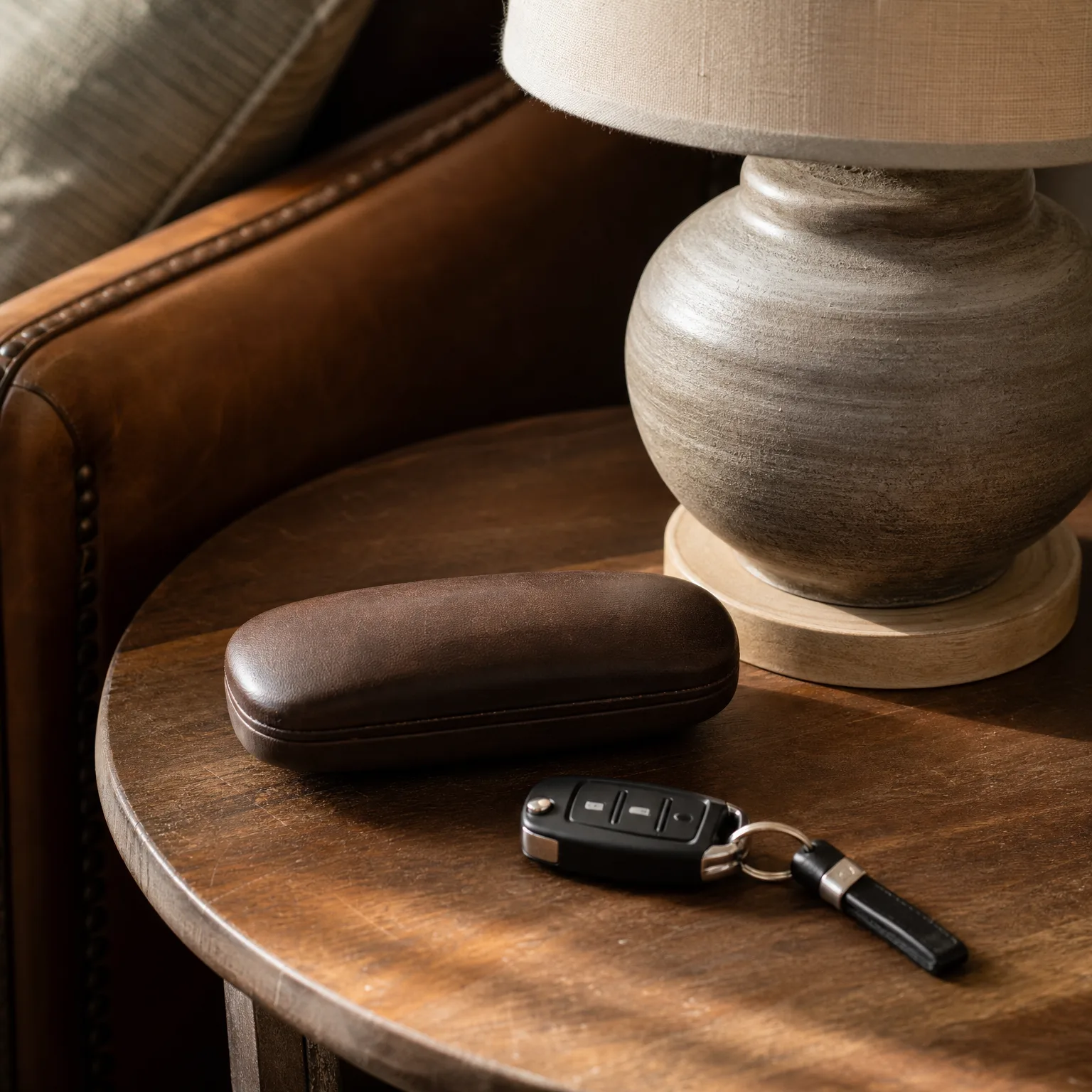
A car driven less often doesn't wear out the same way a car driven daily does. Less mileage means less tire and brake wear, but it also means fluids sit longer without circulating and batteries drain faster from short trips. The maintenance schedule built around mileage doesn't always match a car that mostly sits.
This is why checking the manual's time-based intervals matters as much as the mileage-based ones. A battery can fail from sitting as easily as from age. Tires can dry-rot and crack before they wear down from miles.
A car driven rarely still needs its oil changed on a schedule, its tires checked for cracking, not just tread, and its battery tested rather than assumed. Skipping these because the odometer barely moves is one of the more common mistakes.
Items that get skipped because they're hard to check alone
Some maintenance gets skipped not from neglect but because checking it requires bending, kneeling or seeing clearly, things that get harder with age. Tire tread depth, the condition of wiper blades, and fluid levels under the hood all require getting close to the car in ways that become less comfortable over time.
This is different from forgetting. It's a maintenance item becoming physically harder to perform, which means it quietly drops off without anyone deciding to skip it.
A mechanic or a trusted shop can take over these specific checks at every oil change rather than waiting for a full service. Asking a shop to do a basic walk-around, tires, lights, wipers, fluids, each visit closes this gap without requiring anything physically difficult from the driver.
Questions people ask about this
Does skipped maintenance affect a car insurance claim?
It can, if the insurer finds that poor maintenance directly caused or worsened the accident. A tire that was bald rather than worn, or brakes that were neglected rather than aged, can come up in how a claim is reviewed. Ask your insurer what they consider when evaluating a claim tied to a mechanical issue.
Should an older car get inspected more often than a newer one?
An older car generally benefits from more frequent checks, since parts have had more time to wear regardless of mileage. Rubber components like hoses and tires degrade with age even on a car driven rarely. A shop can tell you which parts on your specific car are showing their age.
What maintenance records should a senior driver keep?
Keeping receipts and service records for tires, brakes and major fluid changes is useful if a claim or an insurance question ever comes up. These records show the car was maintained on a reasonable schedule. Ask your shop to provide a printed or emailed record each time rather than relying on memory.
Can a mechanic spot problems a driver might miss?
Yes, a mechanic checks things a driver wouldn't normally see, like brake pad thickness, tire wear patterns, and fluid condition. A regular shop relationship means these checks happen on a schedule instead of only when something feels wrong. Ask your mechanic to flag anything that's close to needing attention, not just what's already failed.
Does a well-maintained car affect insurance rates?
A well-maintained car doesn't directly lower a premium, but it reduces the chance of a mechanical failure causing an accident, which keeps a driving record clean. A clean record is one of the things insurers weigh most. Ask your insurer directly if they offer any recognition for a documented maintenance history.
See how your current coverage compares before your next renewal.
Start by pulling together any recent maintenance receipts for tires, brakes and fluids so you know what's actually been done and what hasn't. Book a basic inspection at a trusted shop this month, even if nothing feels wrong, and ask them to check tread depth, brake wear, and fluid levels specifically. If the car is driven rarely, mention that so they check time-based wear like tire cracking and battery health, not just mileage-based items. Keep whatever paperwork they give you. If a renewal notice prompted this search, use the inspection as a chance to ask your insurer what they'd want documented in the event of a claim.