What Counts as Proof of Car Insurance
Proof of insurance is a card or document from your insurer showing your policy is active, and most states now accept a digital version on your phone.
Free to compare
A current insurance card or declarations page works almost everywhere
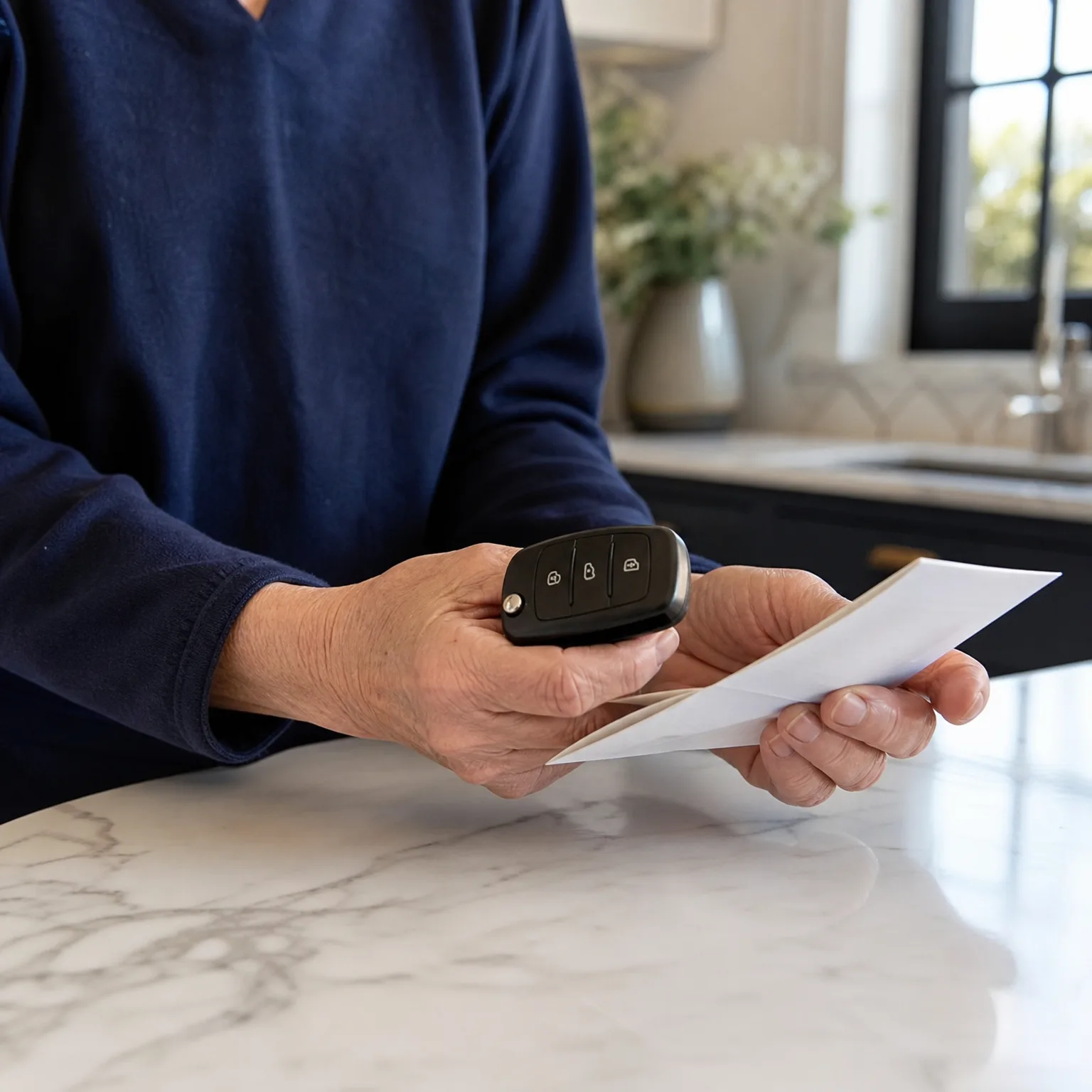
Proof of insurance means something from your insurer that shows your name, your vehicle, your policy number, and the dates it's active. That's usually an insurance card, but a declarations page or a letter from your insurer showing the same information works too.
What changes is the form it has to take. Some states accept a photo or PDF on your phone. Others still want a paper card in the glovebox for a traffic stop, even if your insurer also gives you a digital one. Check what your state and your insurer each say, since you may need both.

Your state decides whether digital proof is enough
Most states now allow you to show proof of insurance on your phone, but a few still require a physical card for certain situations, like a stop by an officer who wants something they can hold.
If your state allows digital proof, your insurer's app or website usually has a copy you can pull up anytime, which is useful if you misplace the paper card.
If you're not sure what your state requires, ask your insurer when they send your renewal. They deal with this across every state they write in and can tell you exactly what's accepted where you live.
It's also worth checking with the DMV directly if you're renewing a registration or handling anything in person, since some of those offices have their own rules separate from what a traffic stop requires.
What trips people up is an expired or outdated card
The most common problem isn't the wrong type of document, it's an old one. If you changed vehicles, switched insurers, or your policy renewed with a new effective date, the card in your glovebox may no longer match your current policy.
An officer or a DMV clerk checking proof of insurance is checking that it's valid right now, not that you have insurance in general. An expired card can cause the same problem as having none.
If your insurer mails you a new card every renewal, put the new one in the car and remove the old one at the same time, rather than leaving both to sort out later.
If you added a vehicle or a driver mid term, ask your insurer for an updated card that reflects the change, since the one you have may not list what's new.
Questions people ask about this
Does proof of insurance have to be the original paper card?
No, most states accept a copy, a printout, or a digital version as long as it shows your current policy. Some situations, like registering a vehicle in person, may still ask for something printed. Check with your DMV if you're doing anything beyond a routine stop.
What happens if I get pulled over without proof of insurance?
It depends on your state and the officer's discretion, but it often leads to a citation even if your policy is actually active. Some states let you provide proof afterward to have it dismissed. Ask your state's DMV or traffic court what their process allows.
Can I use my insurance app instead of a printed card?
In most states, yes, as long as the app shows your current policy information clearly. A few states still want a physical card on hand, so it helps to keep one printed as a backup even if you normally use the app.
Do I need proof of insurance for every car I own?
Yes, each registered vehicle needs its own proof matching that vehicle's policy information. If you have multiple cars on one policy, ask your insurer for a card for each vehicle rather than assuming one card covers all of them.
How do I get a new insurance card if I lost mine?
Your insurer can reissue one, usually through their website, app, or by phone. Most insurers also let you print one at home or save a digital copy, so you're not waiting on mail if you need it right away.
If you're comparing insurers, ask how they handle proof of insurance before you switch.

Check your state's DMV website this week to confirm whether digital proof of insurance is accepted where you live. Log into your insurer's app or account and make sure the card or declarations page on file matches your current vehicle and policy dates. If anything changed recently, a new car, a new address, a new policy, request an updated card so what's in your vehicle matches what your insurer has on record. Print a backup copy and keep it in the glovebox even if you plan to rely on your phone. If you're not sure what counts in your state, a quick call to your insurer or a look at the DMV's website will settle it before you're asked to produce it.