What Happens if I Forget to Tell My Insurer About a Death?
Your policy usually stays in force, but a claim filed before the update is reported can be delayed or reduced while the insurer sorts out who the policyholder is now.
Free to compare
Coverage doesn't just stop, but it can get complicated
If a policyholder dies and the insurer isn't told, the policy itself generally keeps running as written until it lapses or someone cancels it. Insurers don't monitor death records in real time, so nothing happens automatically the day someone passes.
The trouble shows up later, usually at a claim or a renewal. If a surviving spouse or family member is still driving on that policy and has an accident, the insurer may ask who was actually the named policyholder and when that changed. How they handle it from there depends on the insurer and the state, so this is worth asking about directly rather than assuming it will sort itself out.
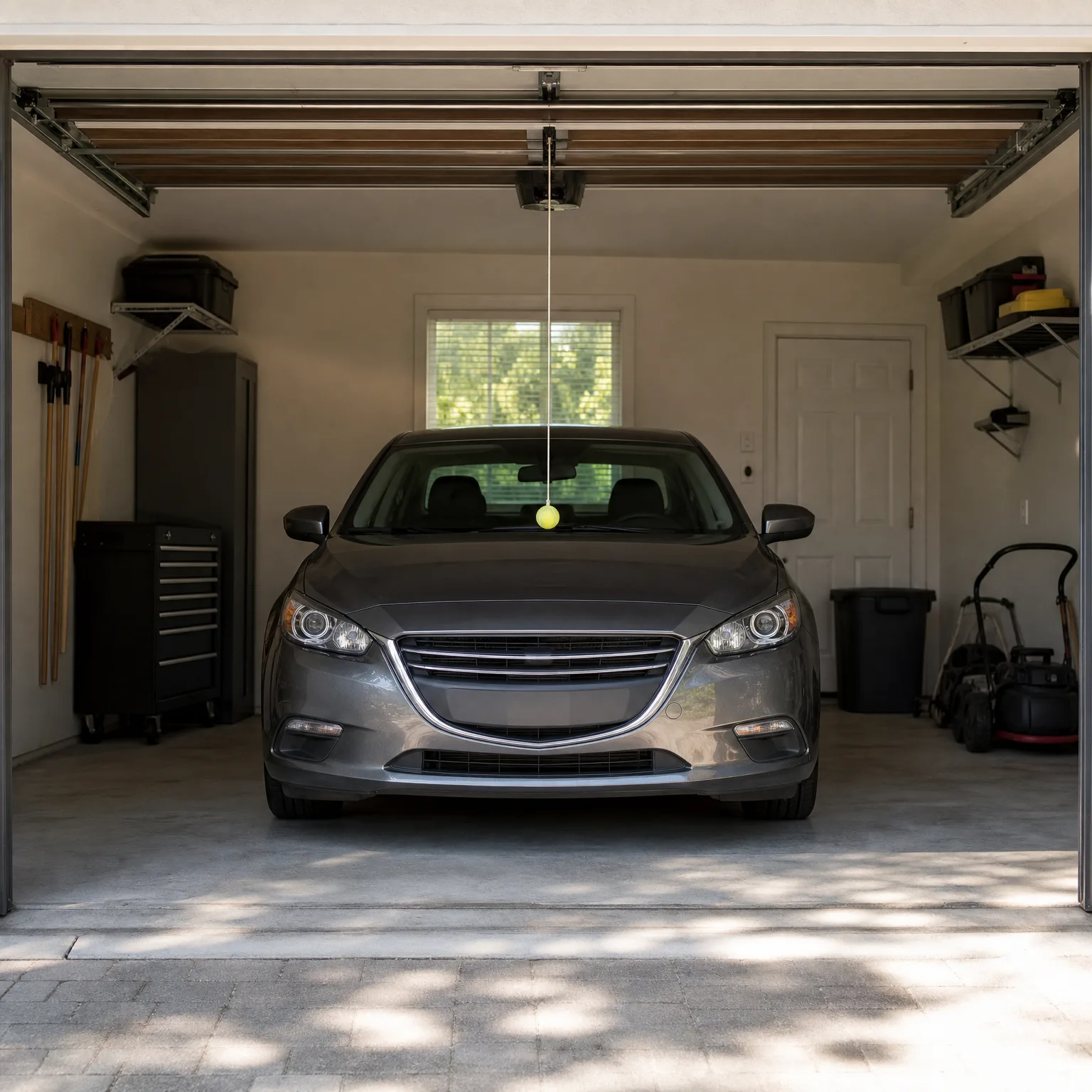
Who is still driving on the policy matters most
If the person who died was the only driver, there's less urgency about the insurance itself, though the policy will still need to be cancelled or transferred at some point. Letting it run until the premium comes due and then simply not paying is not the same as telling the insurer what happened, and it can leave paperwork unresolved.
If someone else, a spouse or an adult child, was also listed and continues to drive the same car, the stakes are different. That person is driving on a policy that no longer accurately reflects the household. If they're in an accident, the insurer will eventually need to know who the deceased was, who is now the primary policyholder, and whether the remaining driver was always listed or needs to be added.
In either case, the car's title and registration matter too. An insurer may ask whether the registered owner and the named insured still match, especially if a claim is filed. This is a separate question from the insurance policy but often comes up alongside it.
The practical step is the same regardless of who was driving: call the insurer, explain what happened, and ask what they need from you. Waiting doesn't remove the obligation, it just delays finding out what it is.
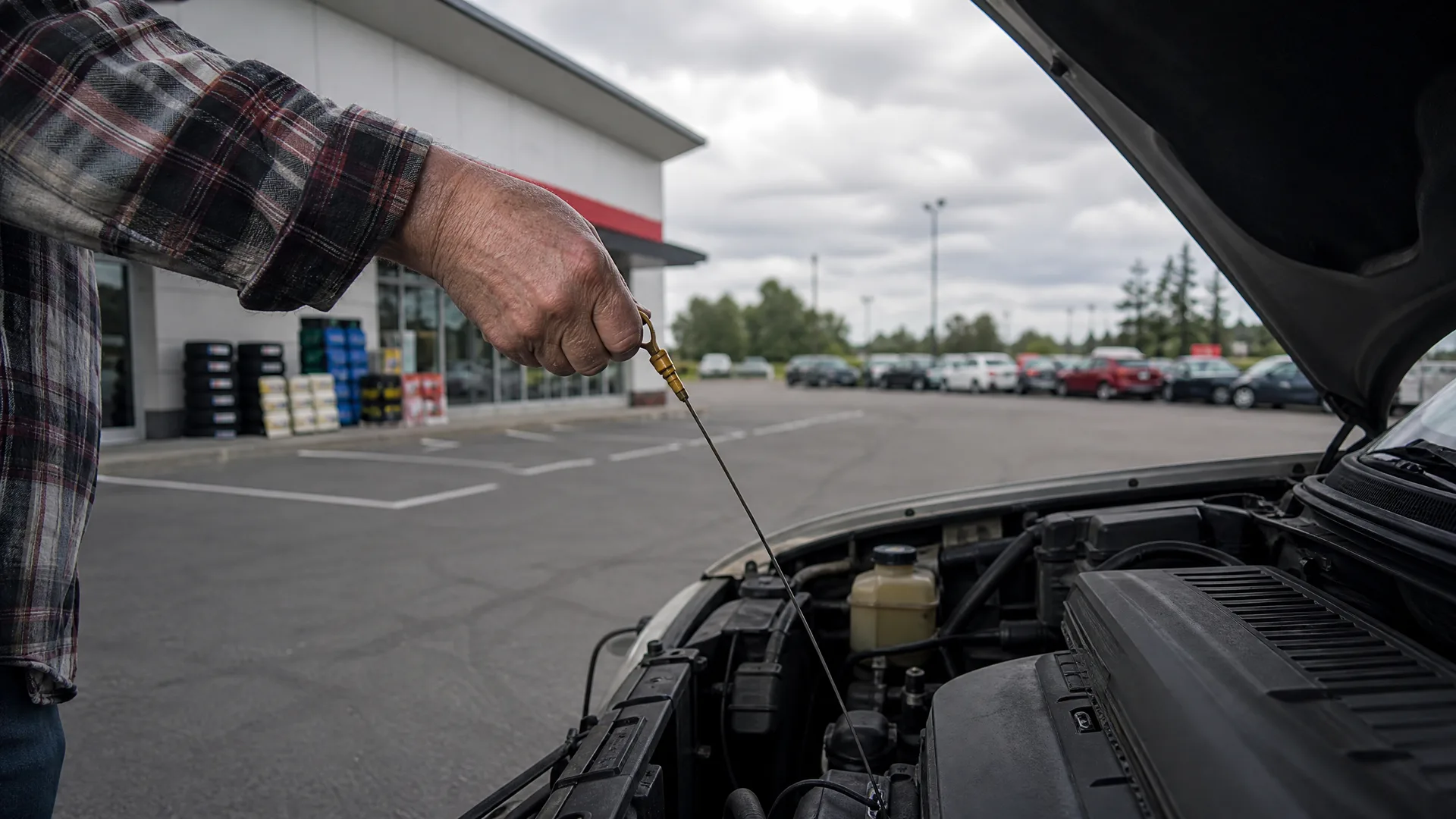
How the death comes to light changes what happens next
Sometimes an insurer learns of a death because a claim is filed and the discrepancy surfaces during the claims process. In that case, the insurer may need documentation, typically a death certificate, before they can pay out or before they can reissue the policy to a surviving family member.
Other times, nobody files a claim and the insurer simply never finds out. The policy continues on autopay or gets cancelled for non-payment months later when no one renews it. This doesn't create a legal problem by itself, but it can leave an estate paying for coverage no one needs, or leave a surviving driver without the coverage they think they have.
A common mistake is assuming a life insurance claim or probate process automatically notifies the auto or home insurer. It doesn't. These are separate companies and separate policies, even if they're with the same insurer, and someone has to make the call for each one.
If you're handling an estate, treat notifying the auto and home insurer as its own task on the list, not something that happens as a byproduct of settling other affairs.
Questions people ask about this
Do I need a death certificate to change the name on a car insurance policy?
Most insurers will ask for one before they update who the named policyholder is. This is their way of confirming the change is legitimate. Call the insurer first to ask exactly what they need, since some may accept a copy while others want an original or a certified copy.
Can a surviving spouse keep the same car insurance policy?
Often yes, but the insurer usually needs to reissue the policy in the surviving spouse's name rather than simply continuing it as is. This can affect things like how long that person has been insured under their own name, which some insurers consider. Ask the insurer directly how they'll handle the transition.
What happens to a car loan if the insurance lapses after someone dies?
If the car was financed, the lender may require continuous insurance and can add their own coverage, called force-placed insurance, if the policy lapses. This tends to cost more than a regular policy and only protects the lender, not the driver. Contact the lender as soon as possible if there's any chance the policy might lapse.
Should I cancel a deceased person's auto policy right away?
Not necessarily, especially if someone else still drives the car and needs coverage. The better first step is calling the insurer to explain the situation and ask what the options are, since cancelling outright may not be the right move if the car is still in use.
Does homeowners insurance need to be updated too after a death?
Yes, if the deceased was the named policyholder on a home or property, that insurer needs to know as well. An unoccupied or inherited home can have different coverage needs, and some policies limit coverage if a home sits vacant, so this is worth asking about separately from the auto policy.
If you're sorting out a policy after a death, compare quotes so you know what coverage actually costs once the change is made.
Start by calling the insurer directly, not a general customer service line if you can help it, and ask what documents they need to update or transfer the policy. Have the death certificate, the policy number, and the driver's license of anyone who will remain on the policy ready before you call. Ask specifically what happens to the premium, whether the remaining driver's rate changes, and whether there's a deadline for making the update. If a car loan is involved, contact the lender the same week to confirm the insurance requirements won't lapse. Keep a written note of who you spoke to and what they told you, since these conversations sometimes span several calls.