What Happens to a Joint Car Insurance Policy After a Death
The policy doesn't end automatically, but it needs to be changed, and the surviving spouse has to be the one who does it.
Free to compare
The policy stays active, but it needs to change hands
A joint car insurance policy doesn't cancel itself when one of the people on it dies. The coverage keeps running for the surviving driver, but the policy still has the deceased person's name on it, and that needs to be fixed.
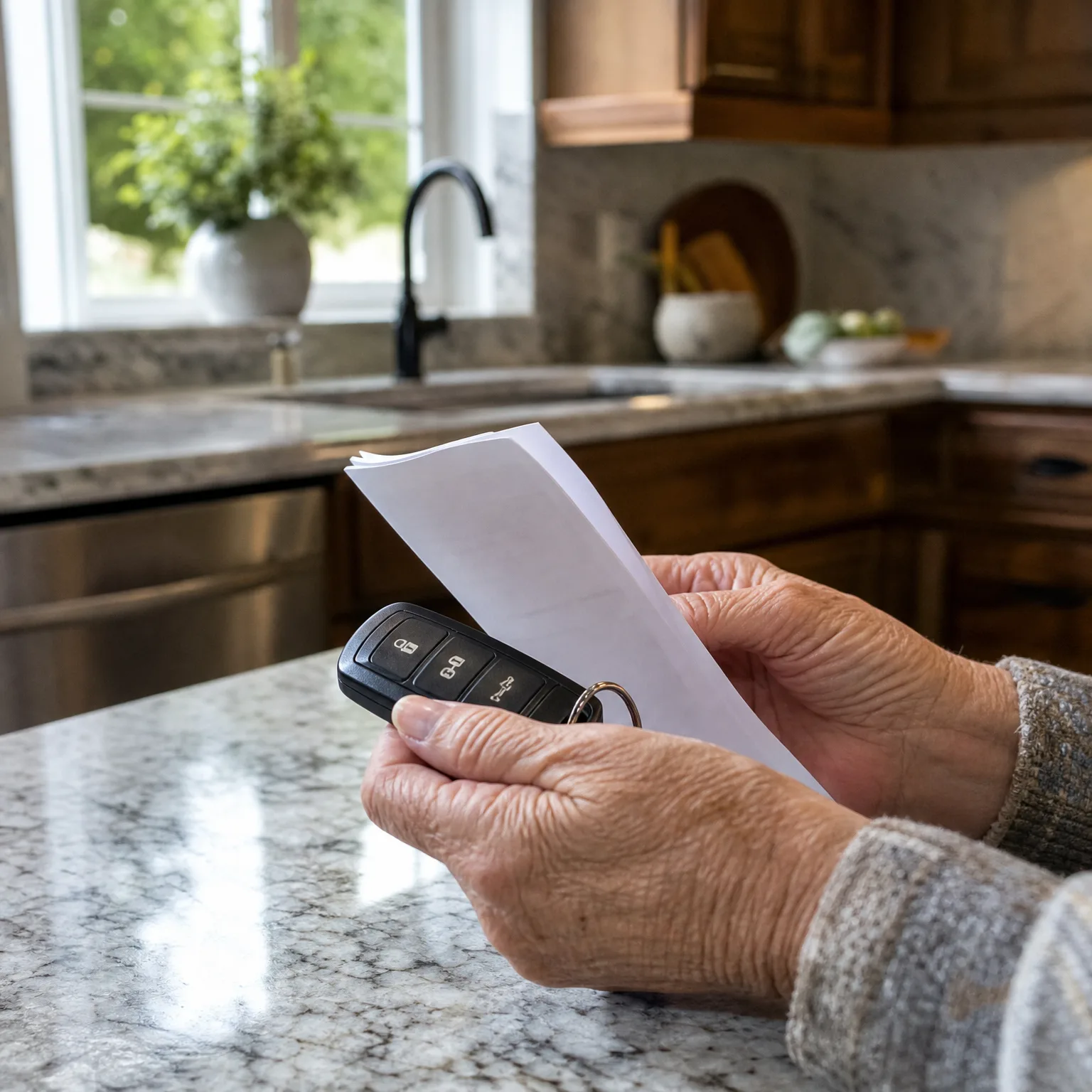
The surviving spouse or family member needs to call the insurer and tell them what happened. The insurer will remove the deceased person from the policy and may ask for a death certificate. Until that call is made, the policy is technically still in two names, one of whom is no longer alive to hold it.
Whose name was on the car title and the policy
If both spouses were named on the policy and the car title was also in both names, the surviving spouse usually just continues the policy in their own name. The insurer updates the account and coverage continues without a gap.
If the car was titled only in the name of the person who died, that's a separate problem from the insurance. The title may need to go through probate or be transferred before the car can be insured and driven by the surviving spouse alone. Check with the state's motor vehicle agency about what's required to retitle a car after an owner's death.
If there were multiple cars on the joint policy, each one may need to be looked at separately, especially if they weren't titled the same way.
The insurer can only act on the policy itself. Questions about the title and the car's ownership go to the state, not the insurance company.

What can happen to the rate
Removing someone from a policy changes the information the insurer is using to calculate the premium, and that can move the rate in either direction. Sometimes the rate goes down because there's one less driver and one less vehicle history to account for. Sometimes it goes up because a long driving history or a good discount tied to the deceased person no longer applies to the policy.
If the deceased spouse had a cleaner driving record or more years of experience than the survivor, the insurer may have been pricing the policy partly on that. Ask the insurer directly how the change affects the premium rather than assuming either way.
This is also a reasonable time to get quotes from other insurers. A policy that made sense for two drivers with a certain combined history may not be the best option once it's just one person on the policy.
Questions people ask about this
Do I need to notify the DMV when a joint policyholder dies?
That depends on the state, since vehicle titling and insurance reporting rules are set at the state level. Check with the state's motor vehicle agency about whether the title needs to be updated and what documents they require.
Can I remove a deceased spouse from a car insurance policy myself online?
Most insurers require a phone call or written notice for this kind of change rather than an online update, since they typically need a copy of the death certificate. Ask the insurer what they require and whether it can be submitted electronically.
What happens if I don't update the policy after a spouse dies?
The coverage itself likely continues, but the policy will still reflect outdated information, which can cause problems later, such as at claim time or renewal. It's worth updating it as soon as reasonably possible rather than leaving it as is.
Will my car insurance rate go up if I'm suddenly the only driver on the policy?
It can go either way, since removing a driver changes several things the insurer uses to calculate price, not just the number of people covered. Ask the insurer for a breakdown of what changed in the rate once the policy is updated.
Should I shop around for new insurance after becoming a single policyholder?
It's worth doing, since insurers price single-driver policies differently than joint ones and rates vary by company. Comparing quotes after the change gives a clearer sense of whether the current insurer is still competitive.
See what a policy in your name alone would cost before you commit to keeping things as they are.

Call the insurer this week and let them know about the death, and ask what documents they need, usually a death certificate. At the same time, check with the state's motor vehicle agency about whether the car's title needs to be transferred, especially if it wasn't already in both names. Once the policy is updated, ask the insurer directly how the change affected the premium and why. Keep a copy of the death certificate and any paperwork the insurer or DMV asks for, since you may need it more than once. While you're making these calls, it's a reasonable time to get a few quotes from other insurers and see how they'd price a policy for just one driver.