
What Happens to a Leased Car After a Death
A lease doesn't end when the person who signed it dies. The estate has to deal with it, either by continuing the payments, transferring the lease, or returning the car.
Free to compare
The lease becomes part of the estate
When the person who leased a car dies, the lease doesn't disappear and the car doesn't automatically go to a family member. The lease is a contract, and like other debts and obligations, it passes to the estate. Someone, usually the executor or a surviving spouse, has to decide what happens next.
The options are usually to keep paying and keep the car until the lease ends, to try to transfer the lease to someone else if the leasing company allows it, or to return the car early and pay whatever the lease says an early return costs. Which of these is realistic depends on the lease terms, the leasing company's policies, and whether anyone in the family wants to keep driving the car.
What the lease contract says
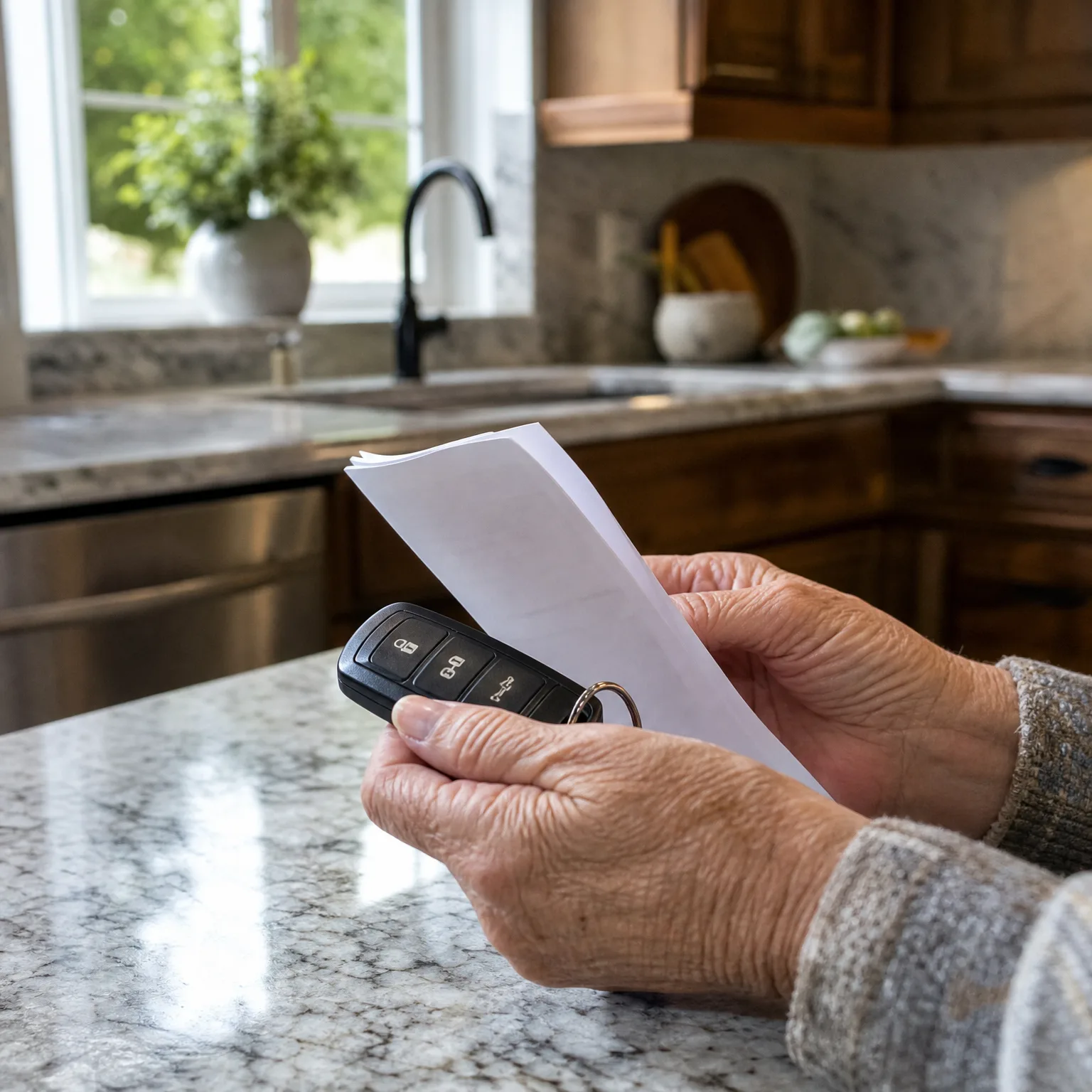
Every lease has its own rules about what happens if the lessee dies, and those rules are set by the leasing company, not by the state or by insurance. The estate's representative needs to find the lease agreement and read the sections on default, transfer, and early termination.
Some leases allow a transfer to a spouse or another family member who qualifies, meaning they pass a credit check and agree to take over the payments. Others don't allow transfer at all and require the car to be returned or the lease paid off in full.
If the lease allowed for an authorized additional driver, that person may have an easier time continuing to use the car while the estate sorts out the rest, but they still aren't automatically responsible for the payments unless the leasing company agrees to put the lease in their name.
The leasing company should be contacted directly and early. They can explain what paperwork they need, usually a death certificate and proof of who is handling the estate, before they'll discuss any options.
Insurance has to stay in force the whole time
A leased car almost always has to stay insured for as long as it's on the road, and that doesn't change because the person who leased it died. If the car sits uninsured even briefly while the estate figures things out, that's a problem both for the leasing company and for anyone who might drive the car in the meantime.
If someone in the family is going to keep driving the car while the lease situation gets resolved, they'll likely need to be added to a policy or get their own policy that meets the lease's coverage requirements. Lease agreements usually set minimum coverage amounts that are higher than what the state requires, and those requirements don't go away just because the lessee died.
If the car is going to be returned, it should stay insured until it's actually back in the leasing company's hands. An accident or a theft during that gap could leave the estate responsible for the car's value with no coverage to fall back on.
Questions people ask about this
Can a family member take over a car lease after the lessee dies?
Sometimes, if the leasing company allows a transfer and the family member qualifies for it. This usually means passing a credit check and formally taking on the lease in their own name. Not every leasing company allows this, so the lease agreement and a call to the company are the only way to know for sure.
Does the estate have to pay off the lease early if no one wants the car?
Usually, yes, if the car is returned before the lease term ends. Most leases charge an early termination cost, and that cost typically becomes a debt of the estate like any other bill. The exact amount and how it's calculated is spelled out in the lease contract.
Who is responsible for a leased car's payments after the owner dies?
The estate is responsible until the lease is transferred, paid off, or the car is returned. This means lease payments are generally treated the same as other debts the deceased person owed, and the executor has to account for them when settling the estate.
What happens if the leased car is returned with damage or extra mileage?
The leasing company can charge the estate for excess wear or mileage, the same way they would have charged the original lessee. These charges are usually outlined in the lease agreement, so reviewing it before returning the car can help the estate know what to expect.
Does the car need to stay insured while the estate decides what to do with the lease?
Yes, as long as the car is driveable and not yet returned to the leasing company, it typically needs to stay insured at the level the lease requires. Letting coverage lapse can create liability for the estate and for anyone who drives the car in the meantime.
If you're taking over a leased car or insuring one while an estate gets sorted out, it helps to see what coverage actually costs before you commit to it.
Start by locating the lease agreement and reading the sections on death, default, and early termination, since the leasing company's own rules will decide what's possible. Call the leasing company directly, have the death certificate and proof of the executor's authority ready, and ask specifically whether a transfer is allowed. If a family member plans to keep driving the car, get them added to an insurance policy that meets the lease's coverage requirements before they get behind the wheel. If the car will be returned, keep insurance active until the leasing company confirms they have it back. Keep copies of every conversation and document, since lease disputes after a death often come down to what was actually said and agreed to.