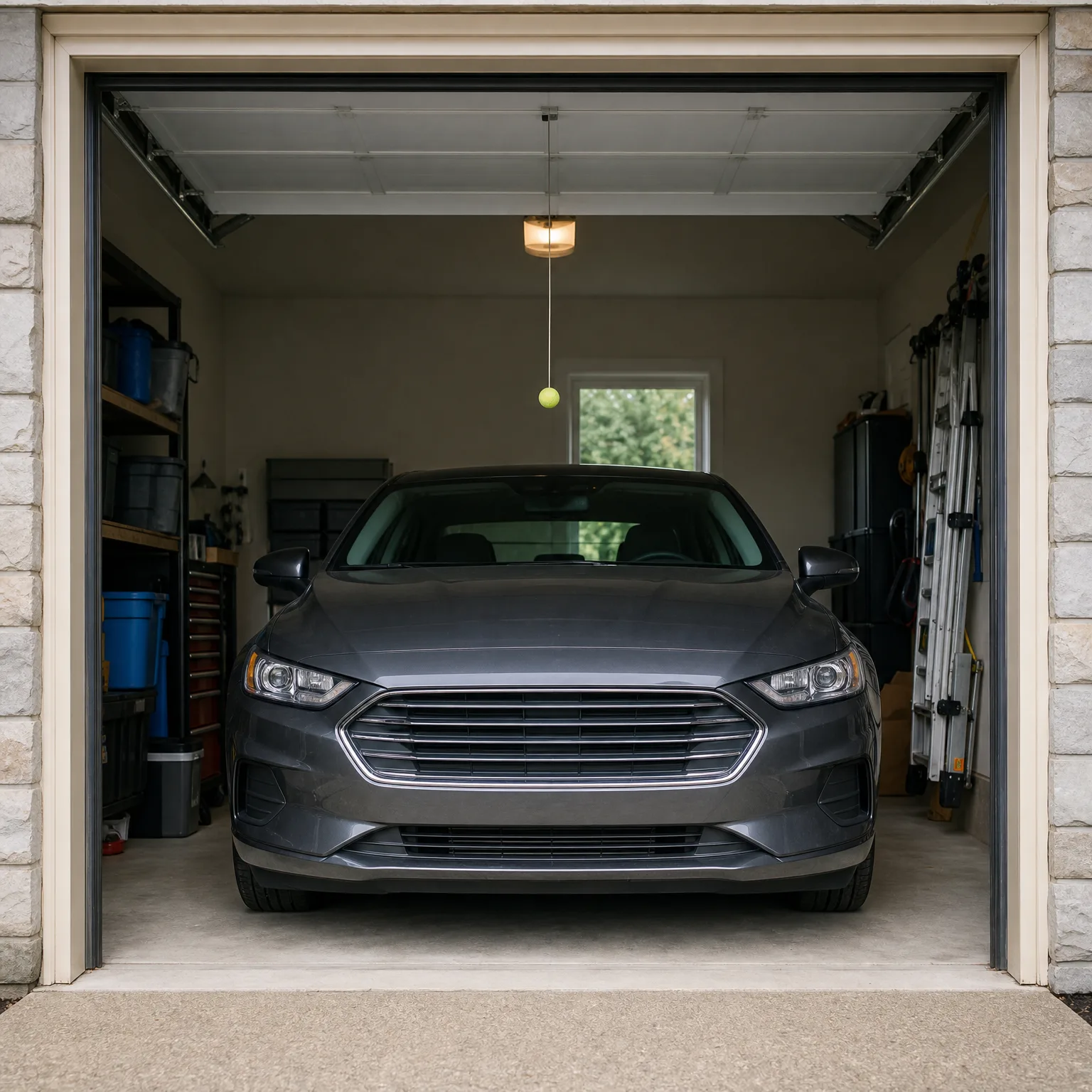
What Happens When One Spouse Stops Driving
The remaining driver usually keeps the policy, and the rate often changes once the other spouse is removed or listed as a non-driver.
Free to compare
The policy continues, but it needs to be updated
When one spouse stops driving, the policy doesn't end. It gets adjusted to reflect who's actually driving the car now. The spouse who stopped driving can usually be removed as a driver, or listed as an excluded driver, depending on what the insurer offers.
This matters because insurers price a policy based on who drives the car, not just who owns it. Leaving a non-driving spouse listed as an active driver can mean paying for coverage that isn't needed, while removing them without telling the insurer can create problems if that spouse ever drives again, even occasionally.

Whether the spouse stopped driving for good, or just for now
If a spouse has given up driving permanently, for example after a medical change or giving up their license, most insurers let you remove them from the policy entirely. That usually lowers the premium a little, since the insurer no longer accounts for a second driver's history or risk.
If the change isn't permanent, like a temporary health issue or a car that's being sold for a while, it often makes more sense to keep them listed but mark them as an occasional or non-driving household member. That keeps the door open for them to drive again without a gap in coverage.
Telling the insurer which situation applies matters. An insurer that thinks someone still drives when they don't may be charging for a risk that no longer exists. An insurer that doesn't know someone still drives, even rarely, may have grounds to question a claim later.
Ask the insurer directly what the difference is between removing a driver and excluding one, since the terms and what they allow vary by company.
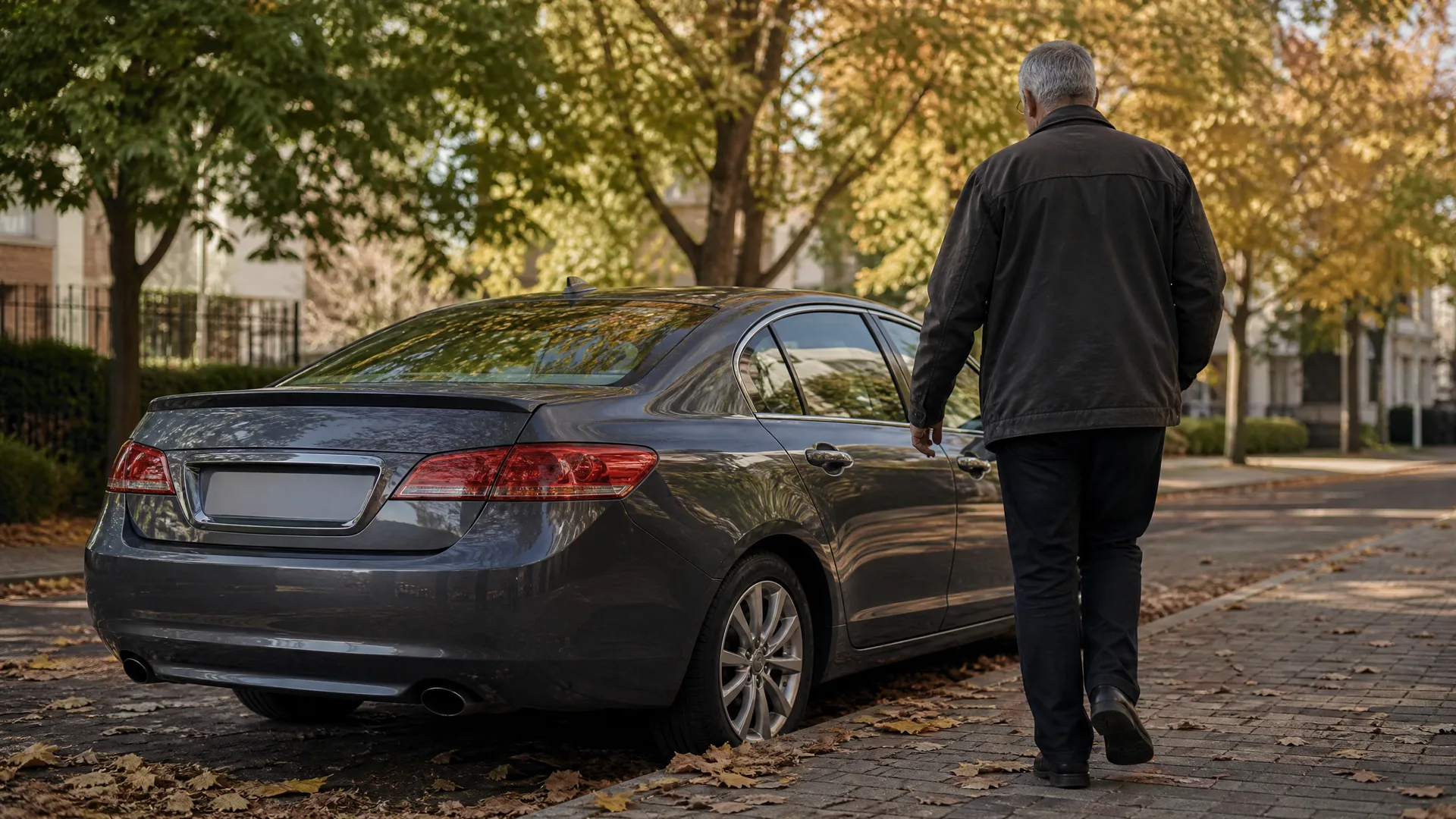
Who keeps the car, and whose name is on the title
If the spouse who stopped driving was also the one whose name was primarily on the car's title or registration, that can affect how the policy is set up going forward. Some insurers want the policyholder to be someone who drives the car regularly.
If both spouses are on one joint policy covering shared vehicles, removing one person usually just means the other becomes the sole policyholder. The rate can go up or down depending on which spouse had the better driving record, since the insurer now prices the policy around whoever remains.
This is also a good time to check whether the household still needs the same number of cars insured. If a car sits unused because the spouse who drove it has stopped, the policy may need updating for that vehicle too, not just for the driver.
Questions people ask about this
Does removing a spouse from a car insurance policy lower the premium?
It can, but not always by much. The change depends on which spouse is removed and how their driving record compared to the one staying on the policy. If the remaining spouse has a clean record, the drop is more likely. If the remaining spouse has violations or claims on their own record, removing the other spouse may not help, or could even raise the rate.
Can a spouse who stopped driving still be covered as a passenger?
Yes. Removing someone as a driver doesn't affect their coverage as a passenger in the car. Liability and medical coverage under most policies apply to anyone riding in the insured vehicle, regardless of whether they're listed as a driver.
What happens if an excluded spouse drives the car in an emergency?
This depends entirely on the insurer and the state, since exclusion rules vary. Some policies will deny any claim involving an excluded driver, even in an emergency. Ask the insurer directly what their exclusion means in practice before relying on it.
Should both spouses stay on one policy or get separate policies?
That depends on the household's situation, including how many cars there are and each spouse's driving history. A joint policy is often simpler and can qualify for a multi-car discount, but if one spouse no longer drives at all, a single policy in the active driver's name may be more accurate and easier to manage.
Does a spouse's license status affect the other spouse's insurance rate?
It can, since some insurers price a policy based on everyone in the household who might reasonably drive the car, not just the named driver. If a spouse gives up their license entirely, telling the insurer can remove that factor from the rate calculation.
See how removing or adding a driver changes what you'd pay.

Call the current insurer and ask what the options are for removing or excluding a driver, since the terms differ by company. Have the policy number and the date the spouse stopped driving ready. Ask specifically whether excluding a driver is different from removing one, and what happens if that spouse drives the car again. If the household now has a car that sits unused, ask whether it still needs full coverage. Once you know the options, compare what a few other insurers would charge for the same setup before deciding whether to stay or switch.