What Is the Most Crucial Sense for Driving
Vision does most of the work behind the wheel, which is why it's the one sense states actually test.
Free to compare
Vision is the sense driving relies on most
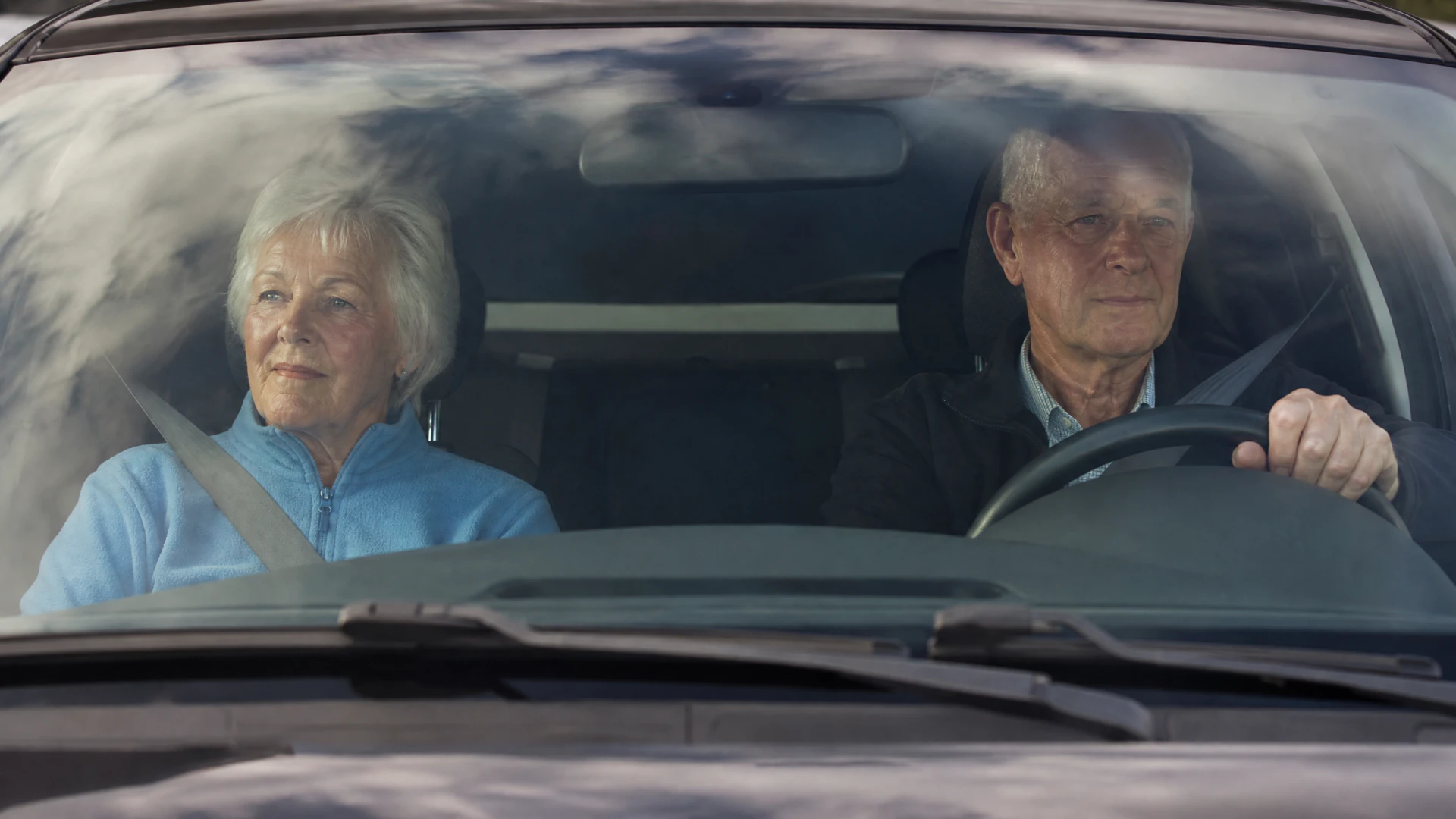
Driving is mostly a visual task. You judge distance, read signs, track other cars, and react to brake lights using your eyes far more than any other sense. Hearing, touch, and the rest matter, but a driver who can't see well can't compensate for that with good hearing.
This is why vision is the one sense almost every state actually tests at renewal, especially as drivers get older. It's treated as the baseline requirement, not just one factor among several.

Your state decides how your vision gets checked
States set their own rules for vision testing, and those rules often change based on age. Some states require an in-person vision test at every renewal once a driver reaches a certain age, where younger drivers might renew online without one. Others test everyone the same way regardless of age.
If you're not sure what your state requires at your next renewal, your state's DMV website will say, and it's worth checking before the renewal notice arrives rather than after.
If you wear corrective lenses, your license may carry a restriction code that requires you to wear them while driving. Driving without them when the restriction is on your license is treated the same as any other license violation, so it's worth confirming the restriction still matches what you actually need.
A failed vision test doesn't automatically mean losing your license. Most states have a process for retesting or for providing a note from your eye doctor, but what that process looks like is also set by the state.
What people get wrong about this
The mistake is assuming vision problems announce themselves. Gradual changes, like the kind that come with cataracts or age-related vision loss, are easy to adjust to without noticing how much they've reduced what you can actually see, especially at night or in glare.
Another common mistake is treating the vision test as a formality to get through rather than useful information. If your vision has changed enough to affect the test, it's likely already affecting your driving in ways you haven't connected to your eyesight.
It's also worth knowing that passing a vision test doesn't mean every part of driving-related vision is covered. Peripheral vision and night vision can decline separately from the sharpness measured on a standard eye chart, and a driver can pass the basic test while still struggling with glare from oncoming headlights.
Questions people ask about this
Does my car insurance go up if I fail a vision test?
Failing a vision test itself doesn't directly raise your premium. What matters to an insurer is whether it affects your license status or your driving record. If a restriction gets added to your license, like requiring corrective lenses, that's typically just a condition on driving, not something insurers treat as a rate factor on its own.
Can I still drive if I have one eye with poor vision?
Many states allow driving with vision in only one eye, sometimes with a restriction or a requirement to pass a specific test. This is set by the state, so it's worth checking with your DMV about what their vision standard requires and whether a note from your eye doctor is needed.
What happens if I don't report a vision change to the DMV?
Most states don't require you to proactively report vision changes between renewals, but you're still expected to meet the vision standard on your license, including any lens restriction. If your vision changes significantly, it's worth checking with your doctor about whether you can still safely meet that standard.
Will my insurer ask about my eyesight when I renew my policy?
Insurers generally don't ask about your vision directly. They look at your driving record, including any accidents or citations, which can reflect vision problems indirectly. Some insurers may ask health-related questions depending on the state and the type of policy, so check your renewal paperwork if you're unsure.
Are there driving restrictions specifically for night vision problems?
Some states allow a license restriction limiting a driver to daytime driving only, often based on results from a vision test or a doctor's recommendation. Whether this exists and how it's granted depends on the state, so your DMV can tell you what options apply where you live.
If a vision change is affecting how you drive, it's worth seeing how that fits into your coverage before you renew.
Check your state DMV's website for its current vision testing requirements at renewal, since the rules often differ by age. If you wear corrective lenses, look at your license to confirm the restriction code still matches what you need. Book an eye exam if it's been a while, even if your renewal isn't due soon, since changes can be gradual enough to miss. Bring any paperwork from your eye doctor to your renewal appointment if your state allows that as an alternative to an in-person test. If you're helping a parent through this, these are worth checking together rather than assuming the renewal notice covers it.