What Kind of Car Is Easiest to Get In and Out Of
A seat height close to standing, a wide door opening, and a firm cushion matter more than the brand or body style.
Free to compare
Crossovers and SUVs with a moderate ride height work best for most people
The cars that are easiest to get in and out of are usually crossovers or small SUVs with seats set at or near hip height, so you lower yourself down slightly or step up slightly rather than dropping into a low seat or climbing up into a tall one. Many drivers find this more comfortable than either a low sports sedan or a full-size truck.
What makes a specific car work for you depends on your own height, hip and knee mobility, and whether you're getting in from a flat garage floor or a sloped driveway. A seat height that works well for one person can still feel too low or too high for another, so sitting in the car yourself before buying matters more than any general rule.
Door opening and seat height matter more than the body style name
Two cars can both be called crossovers and still feel completely different to get into. What matters is how wide the door opens, whether the door frame or roofline forces you to duck, and how far the seat sits from the ground.
A wide door opening lets you turn and lower yourself straight down rather than twisting under a low roof. Some manufacturers design rear doors that open nearly to a right angle for this reason, which also helps if you're loading a walker or a grandchild into a car seat.
Seat height is usually easiest when it's close to the height of a standard dining chair. Much lower and you're pushing yourself up with your arms. Much higher, like in a full-size truck, and you're climbing.
The only way to know how a specific model handles both of these is to sit in it. A test sit at a dealership, even without a test drive, tells you more than any spec sheet.
Seat cushion firmness and grab handles change how hard the car is to use
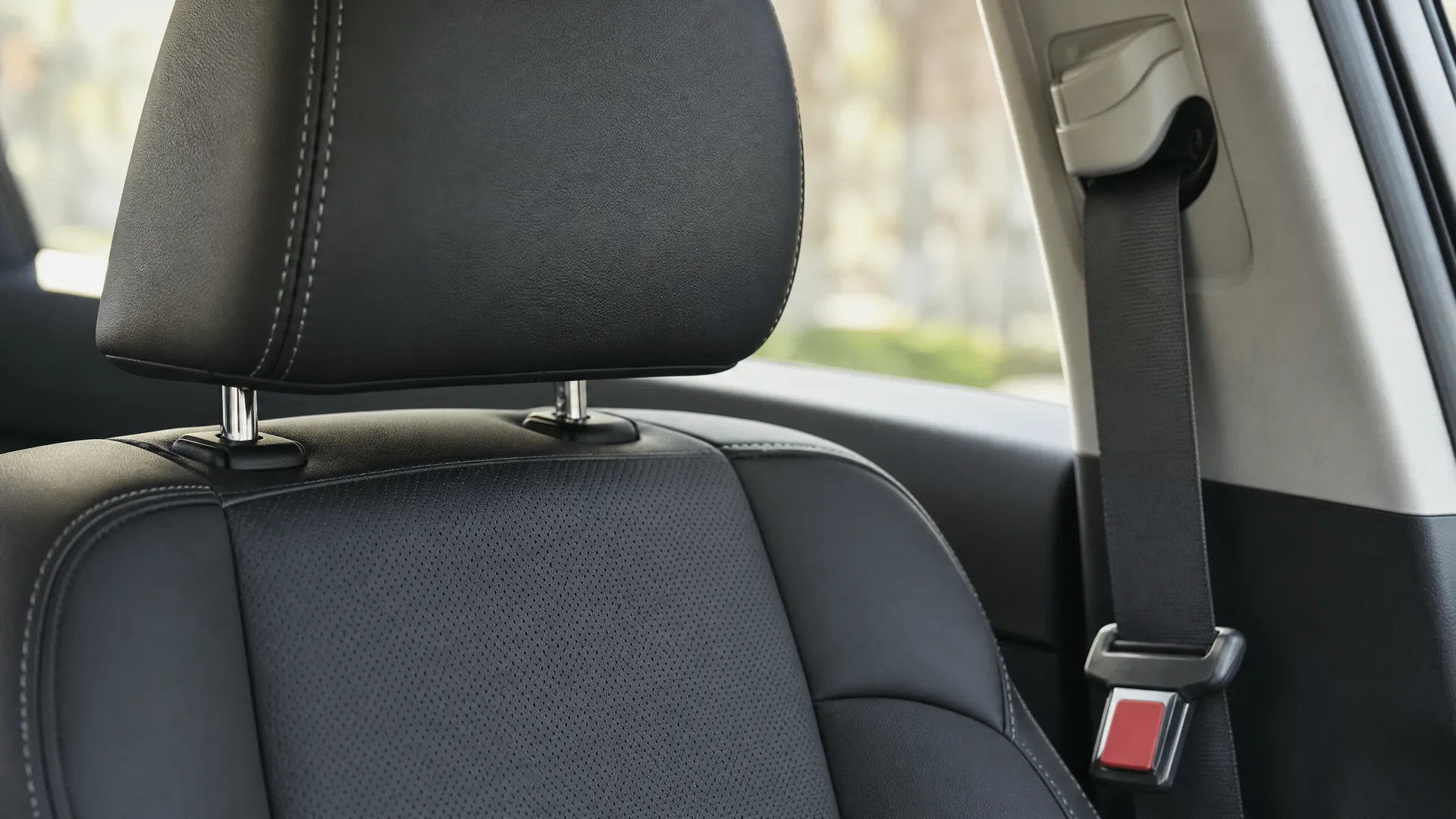
A soft, deeply bolstered seat can be comfortable to ride in and still be hard to get out of, because there's nothing firm to push against. A firmer cushion with some support at the edge gives you something to brace on as you stand.
Many SUVs and crossovers include a grab handle above the door or a sturdy point on the door frame itself. This is often more useful for getting out than the seat itself, especially on days when knees or hips are stiffer than usual.
Power-adjustable seats help too, since you can set the height and angle differently depending on who's driving or riding that day, rather than everyone working with one fixed position.
If you're buying used or shopping based on photos, none of this shows up in a listing. It only shows up when you sit in the actual seat and reach for the actual handle.
Questions people ask about this
Are SUVs easier to get into than sedans?
For most people with hip or knee stiffness, yes, because the seat sits closer to a standing height so you don't have to drop down as far. This isn't universal though. A compact sedan with a low door sill and a well-shaped seat can be easier than an SUV with a high step-up, so the specific model matters more than the category.
Does a higher seat always mean an easier car to drive?
No. A seat that's too high can mean climbing up rather than stepping in, which is its own problem, especially for shorter drivers or anyone with limited leg lift. The easiest seat height is usually one that's close to where you'd naturally stand, not the highest one available.
Will changing cars affect my car insurance rate?
It can, since insurers price a policy partly based on the specific vehicle, including its safety record and repair costs. If you're considering a different car, it's worth checking how a quote changes before you commit to the purchase, since the difference varies by insurer and by the exact model you're comparing.
What should I bring to a dealership to test how easy a car is to get into?
Bring whatever you'd normally bring or wear when driving, including your usual shoes and any mobility aid you use. Sit in the car on the dealership lot, not just in a showroom with flat, even flooring, and try getting in and out a few times rather than once, since the first try often goes more smoothly than it would on a cold morning or after a long day.
Do running boards or side steps help with getting into a car?
They can help with taller SUVs and trucks by giving you an intermediate step rather than one big climb, but they add a step to the process rather than removing one, which isn't always what someone with knee pain wants. Whether a running board helps or gets in the way is worth testing in person rather than assuming either way.
Once you know which car fits you, it's worth seeing how it fits your insurance budget too.

Visit a dealership and sit in a few different models without committing to a test drive, paying attention to seat height, door width, and whether there's a firm edge or handle to push against as you get out. Try this on a sloped part of the lot if you can, since your driveway or garage floor may not be flat. If you're deciding between two or three specific models, get an insurance quote for each before you buy, since the cost to insure can vary by model even when the cars look similar. Bring your current policy details so you can compare like for like. If a parent or family member is doing this shopping, go with them for the test sit, since a second person often notices things the driver doesn't.