What New Dents on a Parent's Car Can Mean
A new dent can mean nothing, or it can be the first visible sign that driving has gotten harder for them.
Free to compare
It depends on where the dents are and how your parent explains them
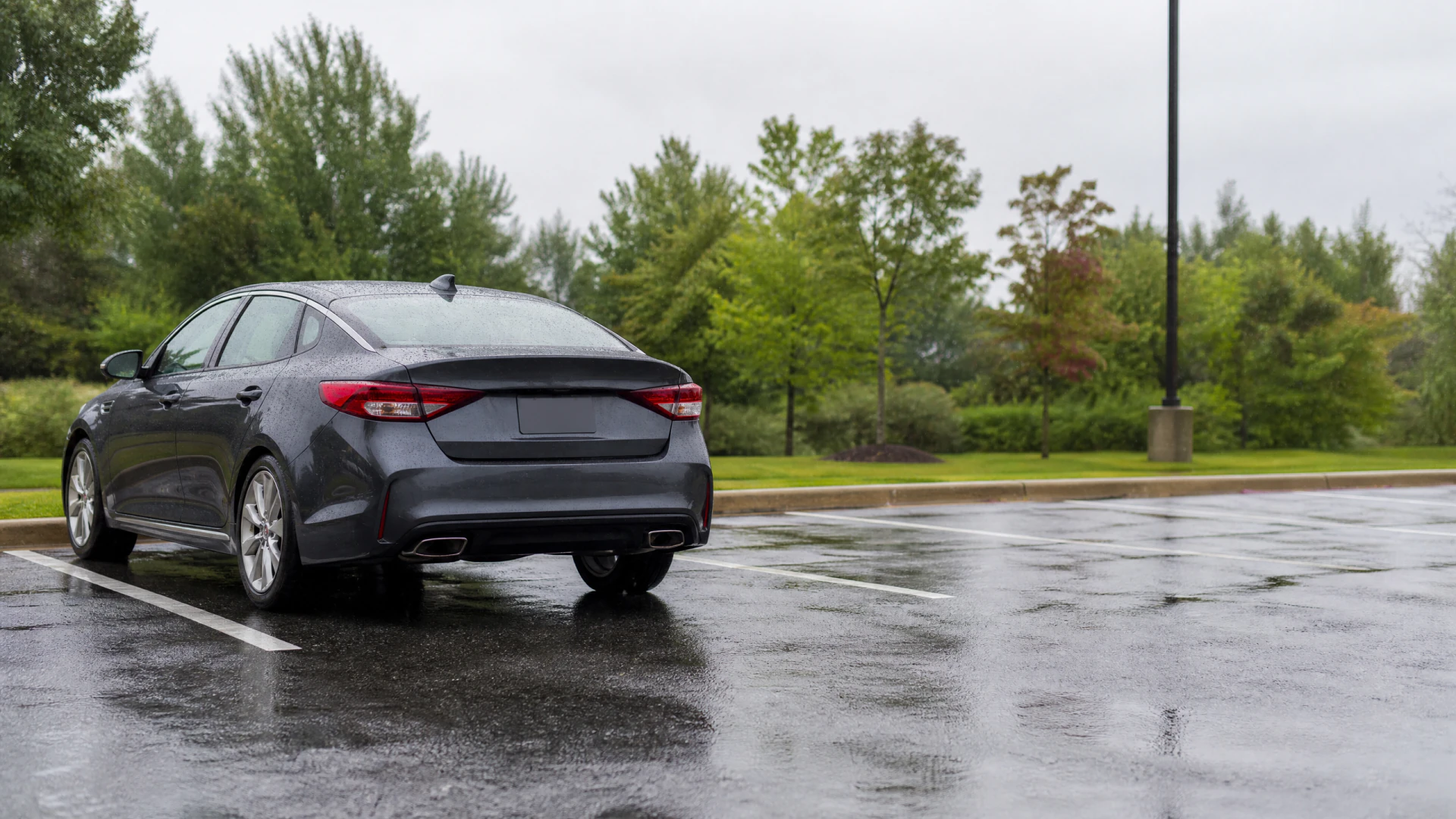
A dent on its own doesn't tell you much. Cars get dented in parking lots and tight garages at any age. What matters more is the pattern: dents appearing more often than before, showing up in places that suggest scraping against something stationary, or your parent having no clear memory of how it happened.
The explanation matters as much as the damage. Someone who can point to the exact spot and say what happened is different from someone who notices the dent for the first time when you point it out, or who gives a different story each time you ask.
Where the dents are changes what they tell you
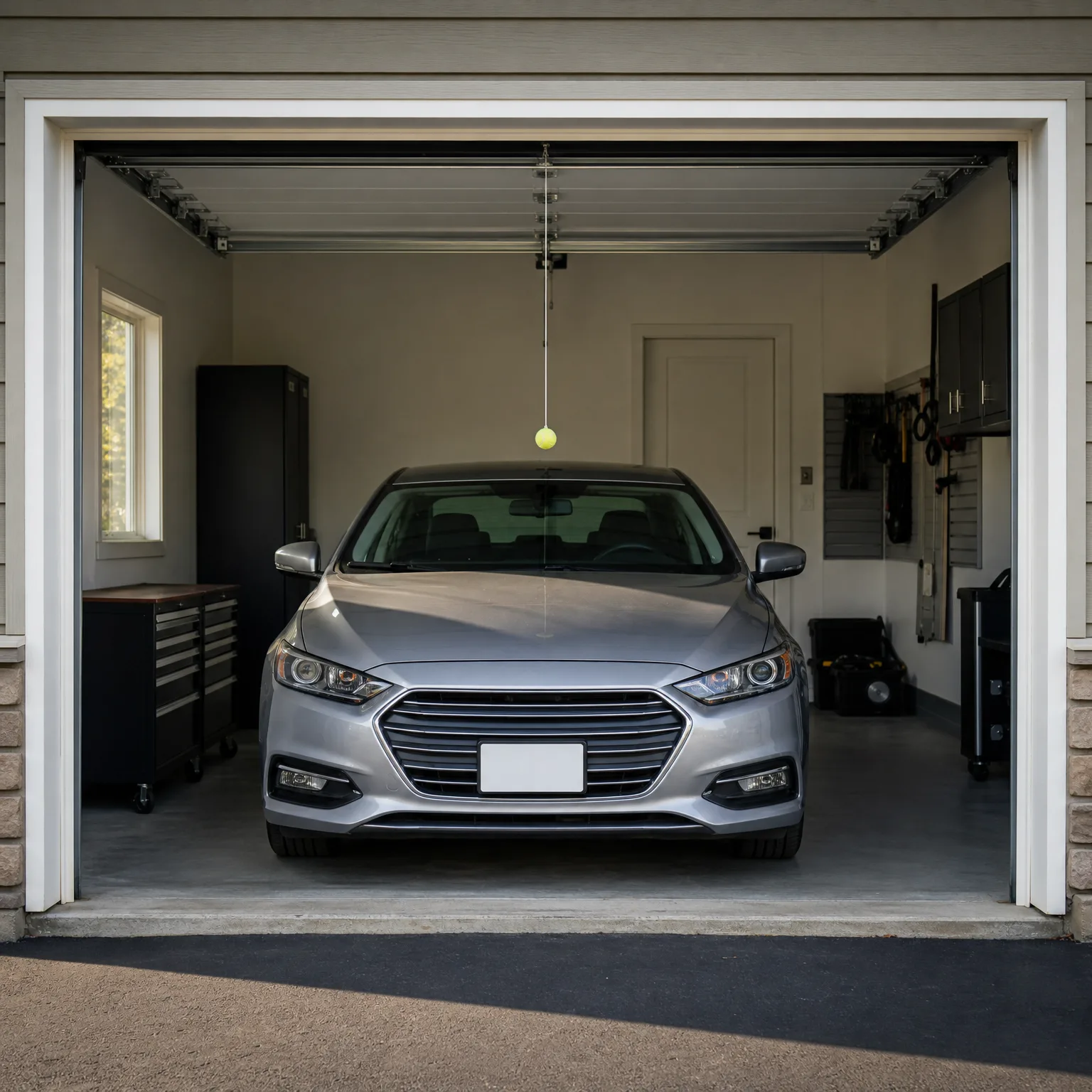
Dents low on the bumper, especially at the corners, often come from misjudging distance when parking or pulling into a garage. That kind of damage can happen to any driver and doesn't by itself say much about your parent's driving overall.
Dents along one side of the car, especially if they line up with mirror height or door height, suggest clipping fixed objects like a mailbox, a garage frame, or another parked car while moving. That pattern is worth paying closer attention to, particularly if it's new.
If you can, look at the car in daylight rather than relying on what your parent describes. Some drivers minimize what happened, not to deceive anyone, but because they genuinely don't see it as a big deal.
One dent is an incident. Dents accumulating over a few months, especially with no consistent explanation, is a pattern. The second one is what deserves a conversation.
How your parent talks about the damage tells you more than the damage itself
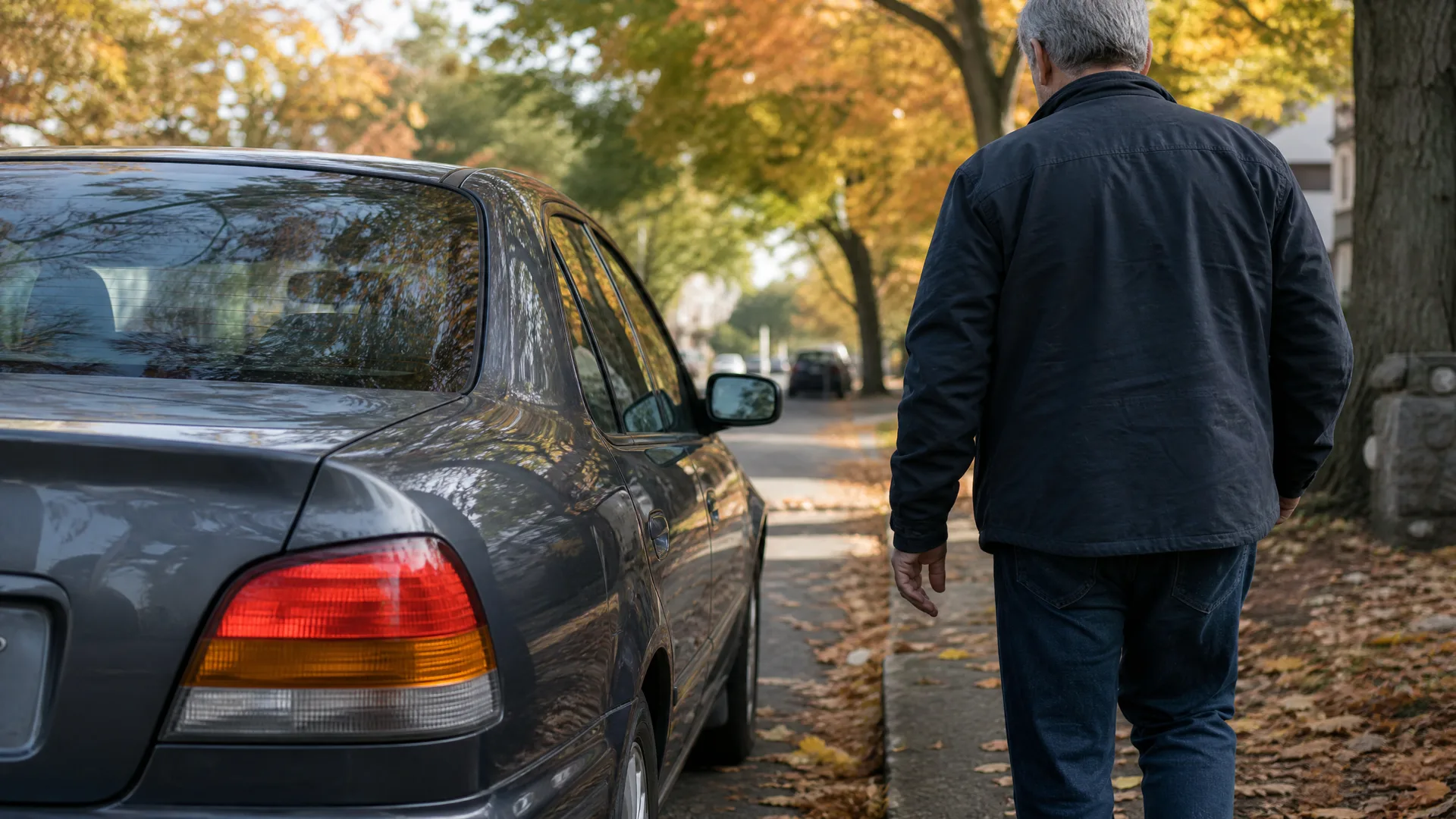
Ask about a new dent the way you'd ask about anything else, not as an accusation. How they answer matters. A clear, specific account, even of a minor mistake, is a good sign. Vagueness, irritation at being asked, or insisting nothing happened when there's visible new damage are the responses that warrant more attention.
Some parents will downplay an incident because they're worried about losing the car or the independence that comes with driving. That worry is understandable, but it can also mean you're not getting the full picture from asking alone.
If you're not getting clear answers, riding along as a passenger for ordinary errands will tell you more than any conversation about a dent. You'll see how they handle turns, parking, and judging distance in real time.
A single defensive reaction isn't proof of anything. A pattern of avoiding the topic, paired with dents that keep appearing, is harder to explain away.
Questions people ask about this
Should I report my parent's driving to the DMV?
That's a decision for serious, ongoing safety concerns, not a single dent. Most states let family members request a driving evaluation or re-examination, and the process varies by state, so check your state DMV's website for how that works before deciding whether it's the right step.
Will my parent's insurance go up because of a new dent?
That depends on whether a claim was filed and how the insurer treats the circumstances. A dent that's never reported to the insurer doesn't affect the policy on its own. If you're unsure whether something was reported, ask your parent's insurer directly what's on the policy's claims history.
How do I bring up driving concerns with an elderly parent without a fight?
Starting with specific, observed incidents rather than general worry tends to go better than a broad statement like 'I'm concerned about your driving.' Naming the dent, the date, and asking what happened keeps the conversation concrete instead of feeling like a judgment on them as a person.
Can a vision or medical issue cause someone to dent their car more often?
Vision changes, slower reaction time, and certain medical conditions can all affect how well someone judges distance and reacts to obstacles. If dents are becoming more frequent, a vision test or a conversation with their doctor is a reasonable next step before assuming it's a driving skill problem alone.
Does a parent's insurer need to know if someone else is driving their car more often?
Most policies expect the insurer to be told who regularly drives the car, since that can affect coverage. If driving responsibilities are shifting within the family, ask the insurer directly what they need to know and what happens to the policy if that isn't disclosed.
If it's time to look at coverage that fits your parent's situation now, compare quotes from insurers who write policies for older drivers.

Take photos of the new dents and write down the date you noticed each one, along with whatever your parent told you about it. Keep that list going for a couple of months so you can see whether it's a pattern or a one-time thing. If you're still unsure, offer to ride along for a few routine trips, like the grocery store or a doctor's appointment, and watch how they handle parking and judging distance. If what you see concerns you, talk to their doctor before involving the DMV, since a vision or health check can sometimes explain what's happening. If you do decide to look into a state-run reassessment, check your state DMV's website for how that process works, since it differs from state to state.