What to Gather Before Shopping for Car Insurance
Have your current policy, your driving record, and your vehicle details on hand before you ask for quotes.
Free to compare
Gather your policy, your driving history, and your vehicle details
Before you shop, pull together a few things: your current policy declarations page, your driving record, and the details of any car you're insuring. These let an insurer give you an accurate quote the first time instead of a rough estimate that changes later.
The declarations page shows your current coverage limits and deductibles, which you need if you want to compare like for like. Your driving record matters because insurers price based on what's actually on file with the state, not what you remember. And vehicle details like the year, make, model, and VIN affect the price more than people expect.

Your driving record is what the quote actually rests on
An insurer doesn't price your policy off what you tell them about your driving. They pull your motor vehicle record from the state, and that record is what the quote is built on. If you're not sure what's on yours, request a copy from your state's DMV before you start shopping, so nothing on the quote surprises you.
This matters more the longer it's been since you last shopped. A ticket that's aged off, a claim that's no longer within the lookback period, or a clean stretch of years can all move the price in your favor, but only if the insurer has current information.
If you've taken a defensive driving or mature driver course, have the completion certificate ready. Some insurers lower your premium for it, but only after you send them the certificate. The course itself doesn't change anything on their end until you do.
If anyone else drives the car regularly, a spouse or someone living in your household, have their license and driving history ready too. Most insurers ask about household drivers even if they're not the primary one on the policy.
Your vehicle's details change the price more than its age
Insurers rate a car by its year, make, model, and trim, not just how old it is. Two cars from the same year can carry very different premiums depending on repair costs, safety features, and how often that model is involved in claims. Have the VIN on hand, since it tells the insurer the exact trim and features your car has.
If you own the car outright, know that. If you're still financing or leasing it, the lender may require certain coverage levels, and you'll want that paperwork nearby in case the insurer asks.
It also helps to know how many miles you drive in a typical year. Insurers ask because annual mileage affects risk, and guessing too high or too low can throw off the quote.
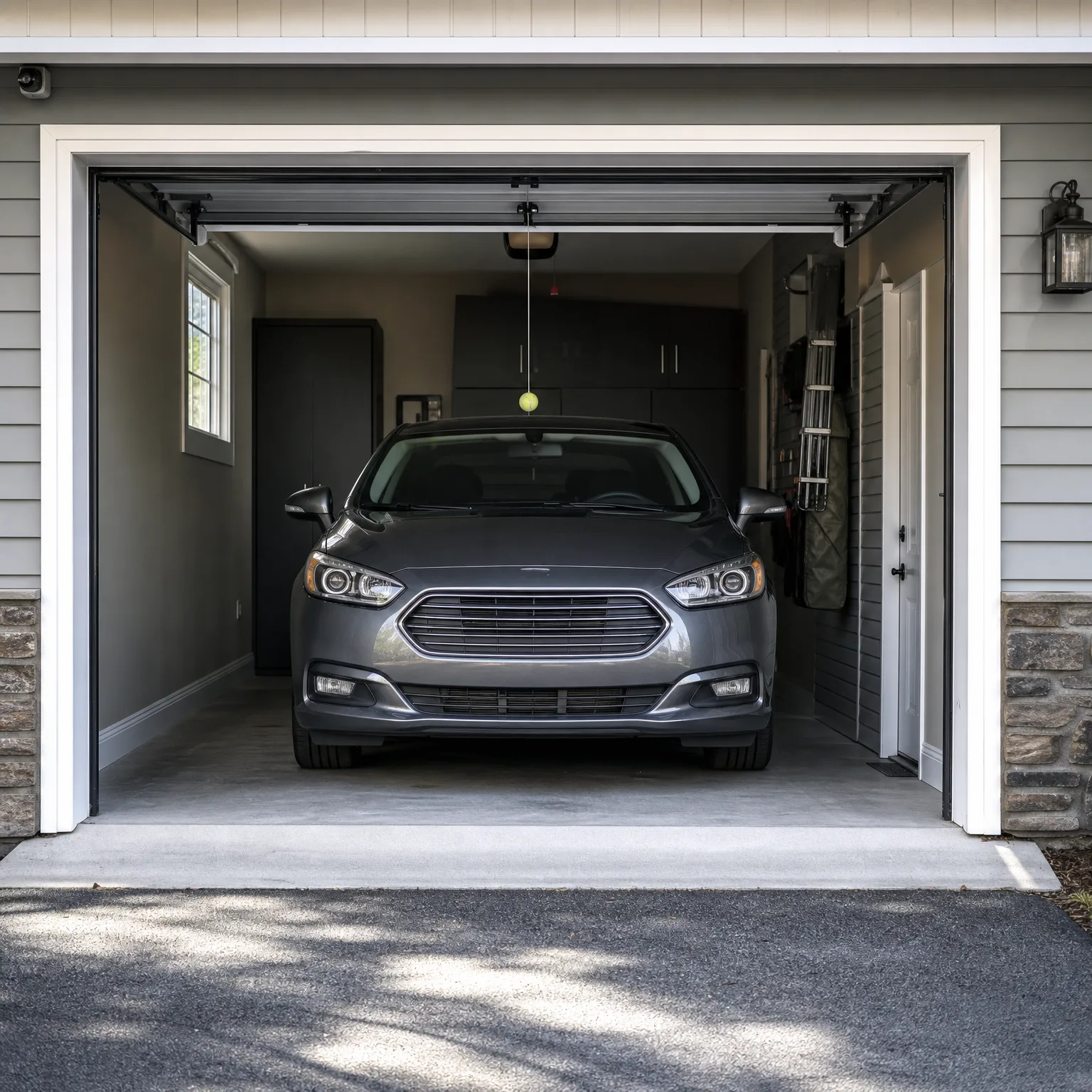
If you park in a garage rather than on the street, mention it. Where the car sleeps at night is one of the smaller factors, but it's one more thing that can work in your favor if it applies to you.
Questions people ask about this
Do I need to cancel my old policy before getting a new quote?
No, you can shop for quotes while your current policy is still active. Wait until you've chosen a new policy and it's set to start before you cancel the old one, so there's no gap in coverage.
Will shopping for a new quote affect my current rate?
Requesting quotes doesn't change what you pay your current insurer. Your premium only changes if you switch, and even then it takes effect at your new policy's start date, not before.
Does my credit affect the quote I get?
In many states, insurers use credit-based insurance scores as one factor in pricing, though some states don't allow this practice at all. Check with your state's insurance department if you want to know whether it applies to you.
Should I get quotes for more coverage than I currently have?
It's worth asking for a couple of different coverage levels so you can see what the difference in price actually looks like. Comparing your current coverage against a slightly higher level shows whether more protection costs significantly more or only a little.
What if I don't remember all my past claims?
You can request a claims history report, sometimes called a CLUE report, which lists claims filed under your name regardless of insurer. This gives you the same information the insurer will see, so there are no surprises in the quote.
Once you have these details together, you're ready to see what different insurers would actually charge you.
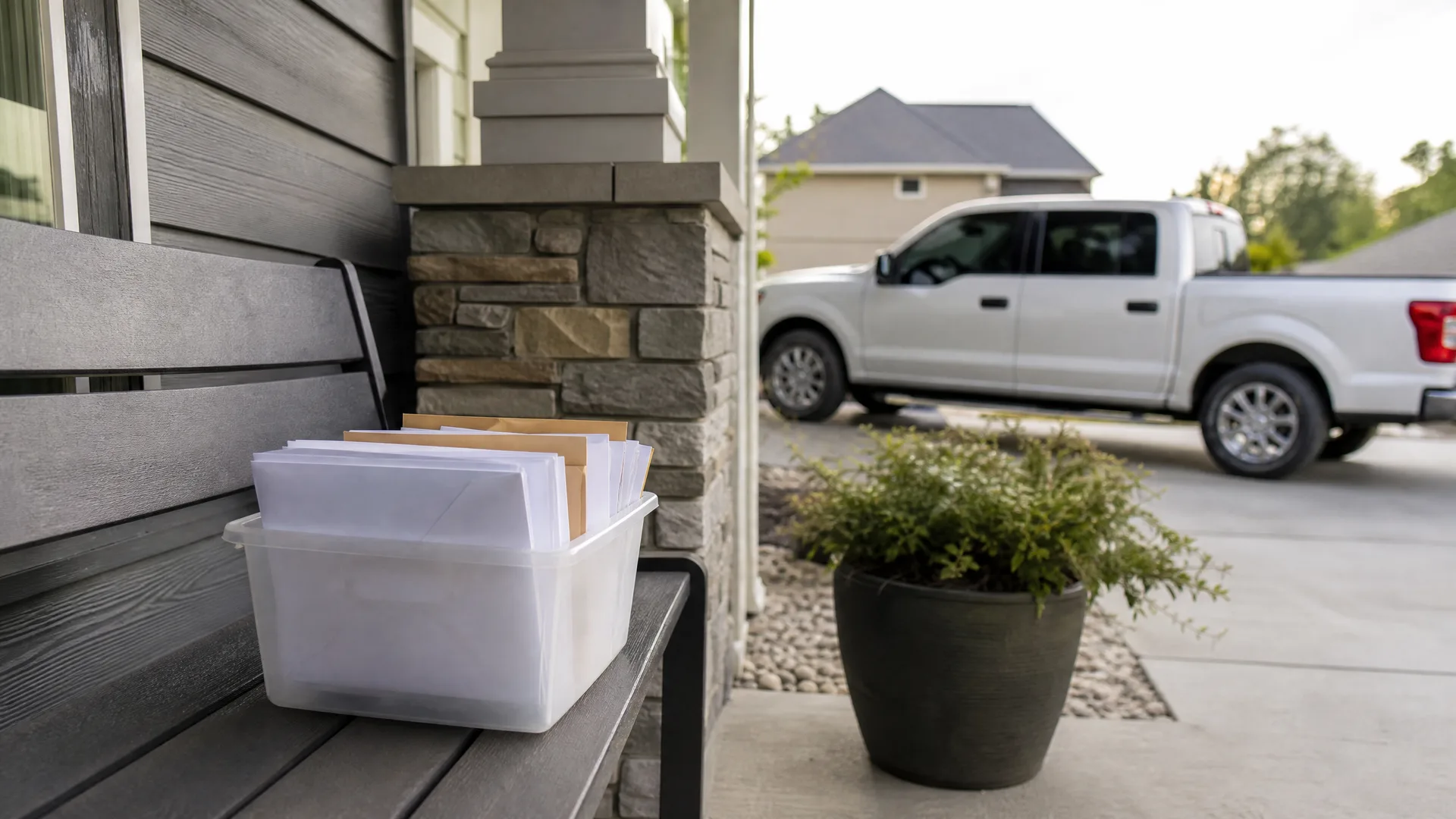
Start by pulling your current declarations page and requesting a copy of your driving record from your state DMV. If you've taken a driving course recently, find the completion certificate and keep it with your other paperwork. Write down your car's VIN, your typical annual mileage, and whether anyone else in your household drives it regularly. If your car is financed or leased, locate the lender's coverage requirements. With all of that in hand, you'll be able to request quotes and compare the results side by side instead of getting estimates that change once an insurer asks for the details you didn't have ready.