
Which Car Insurance Is Best for an Older Car
The best coverage for an older car is whatever matches what the car is actually worth today.
Free to compare
It depends on your car's value, not its age in years
There's no single insurer or policy that's best for older cars. What matters is matching your coverage to what the car is worth now. Once a car's value drops low enough, paying for full coverage can cost more over a year than the car would pay out if it were totaled.
That means the right choice for you depends on what your car would sell for today, not what you paid for it or how it runs. Two drivers with the same make and model but different mileage or condition could reasonably carry different coverage.
What your car is worth right now
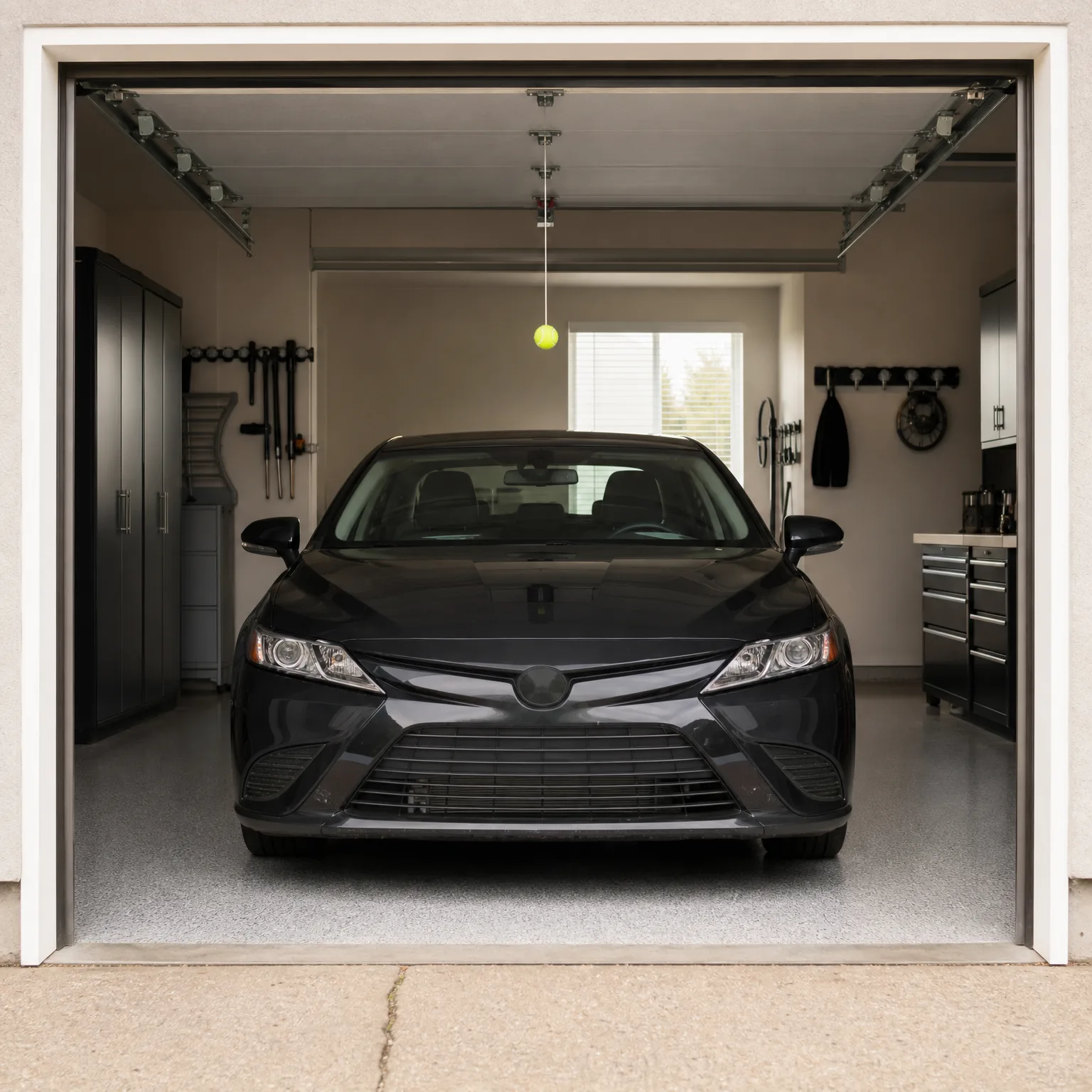
Start by finding out what your car would actually sell for today. You can check recent sale prices for the same year, make, model, and condition, or ask your insurer what value they'd use if the car were totaled.
If that number is low, carrying collision and comprehensive coverage means you're paying premiums for a payout that may not cover much. Some drivers drop those two coverages once the math stops working and keep only what their state requires plus liability.
If you still owe money on the car, or if replacing it would be hard on your budget, that changes the calculation even if the car's value is low. A lender may also require you to carry full coverage until the loan is paid off, so check your loan terms before you drop anything.
This is worth rechecking every year or two, since a car's value keeps dropping even after it starts to level off.
What you'd actually do if the car were totaled
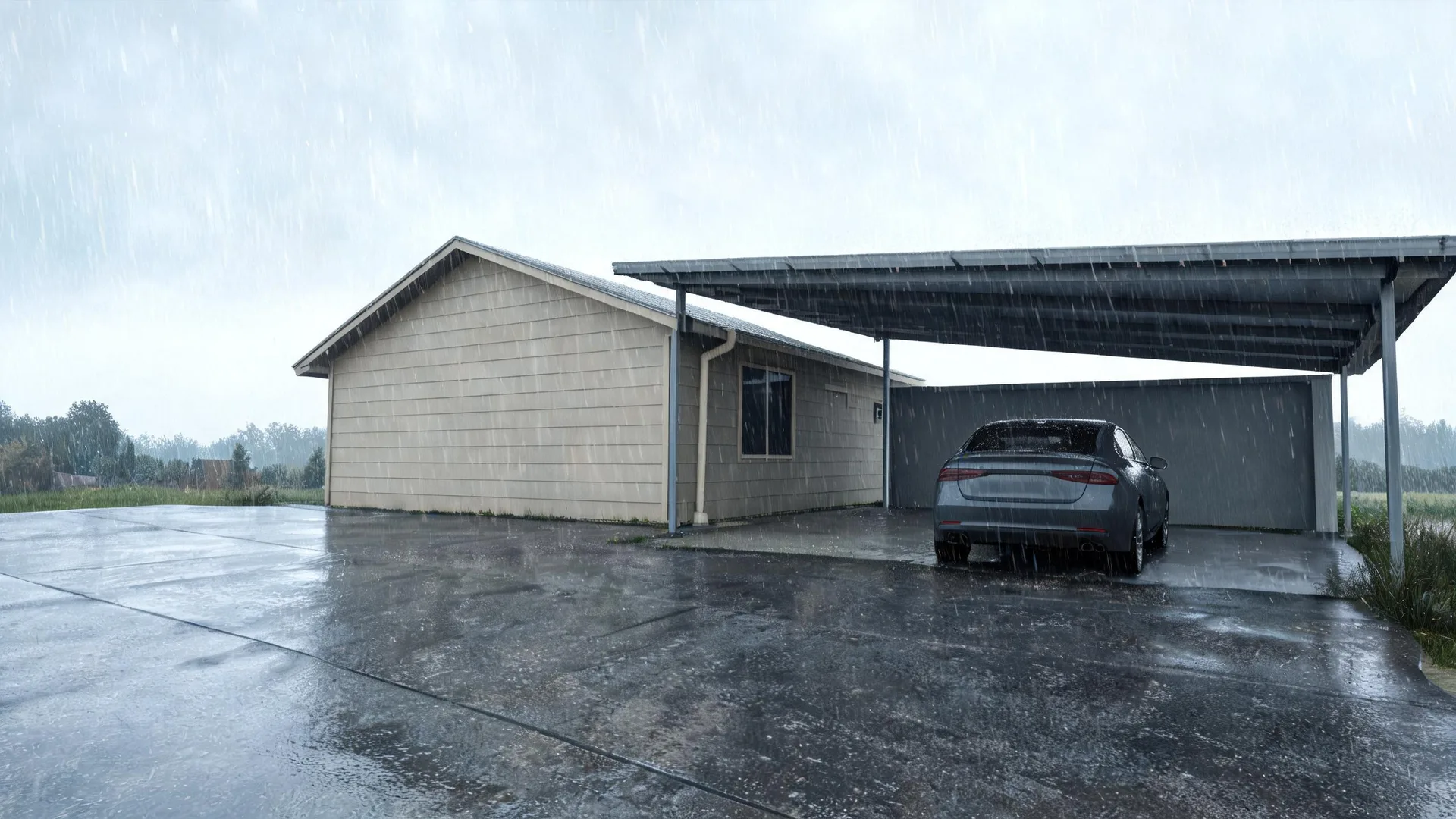
The other thing that decides the right coverage is what you'd do if the car were gone tomorrow. If you'd replace it with something similar, the payout from comprehensive or collision coverage matters more, even on an older car.
If you'd be fine without that specific car, or you'd put the money toward something else entirely, the case for keeping full coverage gets weaker.
Some drivers keep liability only and set aside the money they'd have spent on full coverage, treating it as their own fund for repairs or a replacement. That only makes sense if you'd actually have that money available when you needed it.
Your state sets the minimum liability coverage you must carry no matter what you decide about collision and comprehensive. Check with your state's DMV or insurance department for that minimum before you make changes.
Questions people ask about this
Should I drop full coverage on my old car?
That depends on what the car is worth and whether you could afford to replace it without the payout. If the car's value is low and you could cover a replacement yourself, dropping collision and comprehensive often saves more than it would pay out. Check with your insurer what your car's cash value is before deciding.
Does an older car cost less to insure?
Usually, because comprehensive and collision premiums are based partly on what the car is worth, and that drops over time. Liability coverage doesn't change based on the car's age, since it covers damage to others, not your own vehicle. Ask your insurer for a breakdown by coverage type so you can see where the savings actually come from.
What is gap insurance and do I need it on an older car?
Gap insurance covers the difference between what you owe on a car loan and what the car is worth if it's totaled. On an older car that's paid off or close to it, there's usually little or no gap left to cover. If you still owe more than the car is worth, ask your lender or insurer whether gap coverage still makes sense for you.
Will my insurer automatically lower my premium as my car ages?
Not automatically. Insurers typically reassess a car's value at renewal, but it's worth asking directly whether your premium reflects the current value. If you believe your car is worth less than your policy assumes, ask your insurer to review it rather than waiting for them to catch it.
Can I still get comprehensive coverage on a very old car?
Most insurers will still sell you comprehensive and collision coverage regardless of the car's age, as long as it's insurable at all. The question isn't whether you can get it, it's whether the premium makes sense compared to what you'd actually receive in a claim. Ask your insurer for the car's current cash value so you can compare it against the cost of that coverage.
See what different insurers would charge for your car as it stands today.

Find out what your car is actually worth right now, either through a recent sale listing for the same year and model or by asking your insurer directly. Compare that number against what you're paying for collision and comprehensive coverage over a year. If you still have a loan on the car, check your loan agreement for any coverage requirements before changing anything. Once you know the car's value and your state's minimum coverage, get quotes with a few different coverage combinations so you can see the actual difference in cost. Bring the car's value and your current policy details when you do, since that's what any new quote will need.