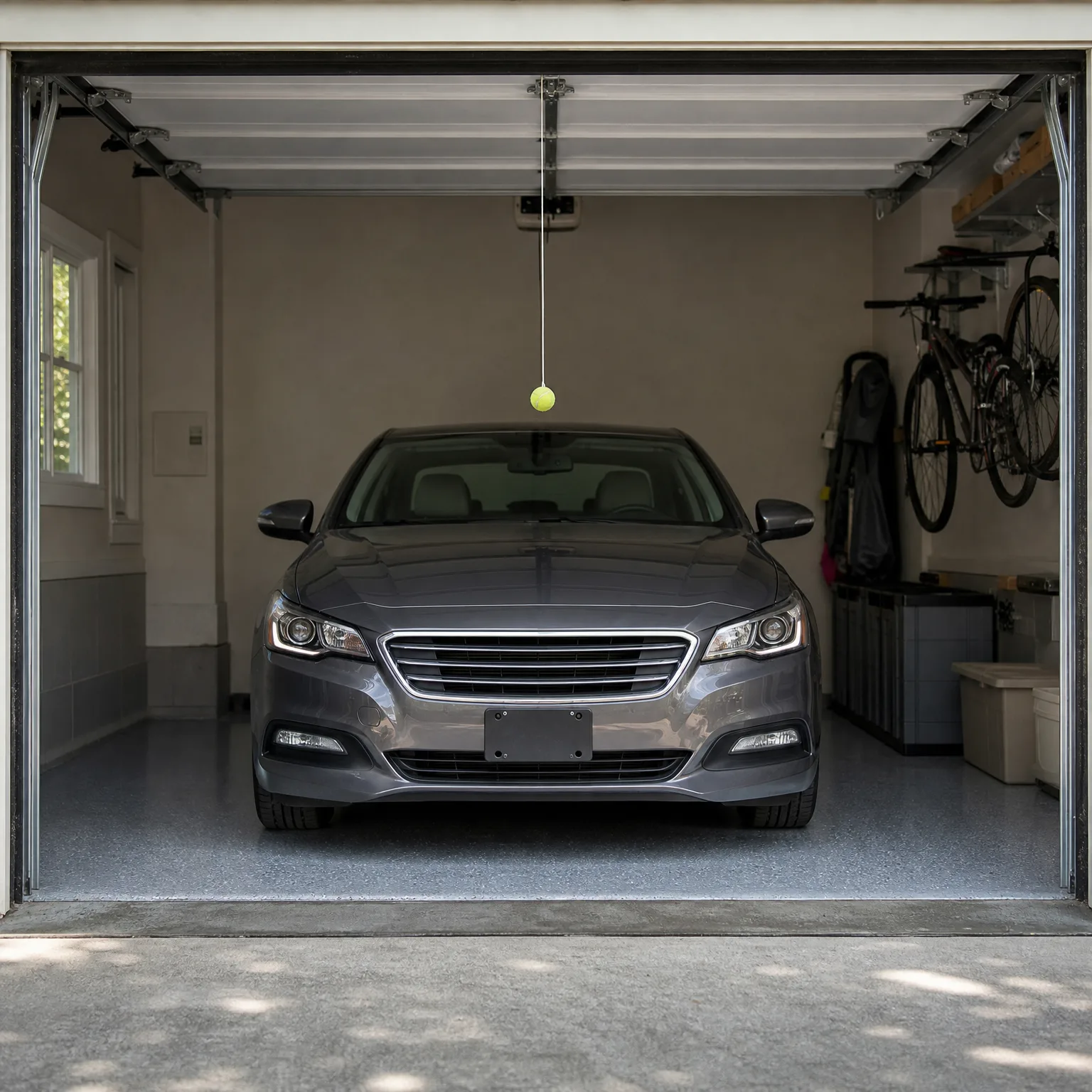
Who Must Be Listed as a Driver on Your Car Insurance Policy
Anyone who lives in your household and regularly drives your car needs to be on your policy, whether or not they're related to you.
Free to compare
Anyone who regularly drives your car and lives with you
Your insurer wants to know about anyone in your household who drives your car on a regular basis. That includes a spouse, an adult child, a roommate, or anyone else who has routine access to your vehicle and drives it. A one-time guest borrowing your car for an afternoon is different from someone who drives it every week.
Insurers ask for this because they're pricing the risk of your car being on the road, not just your own driving. If someone else drives it often and isn't listed, the insurer hasn't priced that risk correctly. That's the reason it matters, not just paperwork for its own sake.
Whether someone lives in your household changes everything
The line insurers draw is usually about the household, not about family ties. A grown child who moved out and has their own policy generally doesn't need to be on yours, even if they borrow your car sometimes. A grown child who moved back in and drives your car regularly usually does.
This is also where people get caught out after a change they didn't think to report. A caregiver who moves in, an adult child who returns home for a while, a friend staying with you long-term and using your car. If that person starts driving regularly, your insurer likely expects to know, even if nothing else about your policy has changed.
The exact rule for who counts as a household member is set by your insurer and sometimes by your state, so it's worth asking directly. Call your insurer and describe the actual situation, who lives with you and how often they drive, rather than guessing at the category yourself.

What happens if you leave someone off
The risk isn't that nothing happens. It's that something happens at the worst possible time. If an unlisted household member is driving your car and has an accident, your insurer can investigate who that person is and how often they drive. If they find a pattern of regular use that wasn't disclosed, they can deny the claim or question the entire policy.
This is different from letting a friend borrow your car once. Most policies cover occasional permitted use by someone not listed on the policy. The trouble comes from regular, ongoing use that should have been reported and wasn't.
If you're not sure whether someone's driving counts as regular enough to need listing, ask your insurer that exact question. It's a better use of a phone call than guessing and finding out later.
Questions people ask about this
Do I have to list my spouse if we only have one car?
If your spouse lives with you and drives that car at all regularly, yes, insurers generally expect them listed. Having only one car in the household doesn't change the rule, it just means both of you are likely driving the same vehicle. Ask your insurer how they want a shared single car handled.
Does a live-in caregiver need to be on my policy?
If the caregiver drives your car as part of their role or on a regular basis, your insurer likely wants them listed. This matters for liability if they're ever in an accident while driving you somewhere. Tell your insurer about the arrangement and let them tell you what's needed.
Can I remove my adult child from my policy once they move out?
Usually yes, once they've moved out and no longer have regular access to your car, you can ask your insurer to remove them. If they still borrow your car occasionally during visits, mention that too, since insurers treat occasional use differently from living in the household. Confirm with your insurer rather than assuming the timing.
What if someone drives my car just a few times a year?
Occasional use by someone who doesn't live with you is usually covered without needing to list them, but this depends on your policy and insurer. If it's a regular pattern, even a few scheduled times a year, ask your insurer whether that counts as regular use in their eyes. It costs nothing to ask before it becomes a claim question.
Will listing another driver raise my own rate?
It depends on that driver's own record, age, and history, not on your record changing. Your insurer can tell you what listing a specific person would do to your premium before you add them. That's a conversation worth having before a renewal, not after a claim.
See what other insurers would charge for your household before your next renewal.

Make a list this week of everyone who lives with you and drives your car, including anyone new like a returning adult child or a live-in caregiver. Call your current insurer and describe each person's situation plainly, rather than guessing at which category they fall into. Ask directly what counts as regular use in their eyes, since that line is set by the insurer and sometimes the state. If you learn someone should be added, ask what that would do to your premium before you decide anything. Once you know where you stand, it's a good time to compare what other insurers would charge for the same household.