Who Pays for Damage in a Hit and Run Accident
If the other driver isn't found, your own insurance is usually what pays, if you have the right coverage for it.
Free to compare
Your own insurer pays, if you have the right coverage
When the driver who hit you can't be found, there's no one to file a claim against. Your own policy has to cover it instead, and that only works if you carry uninsured motorist coverage or collision coverage. Without one of those, you may be paying for the damage yourself.
If the other driver is later identified, their insurance becomes responsible and your insurer may seek reimbursement from them. That doesn't always happen quickly, and it doesn't change what you need right after the accident, which is a police report and a call to your own insurer.
Whether you have uninsured motorist or collision coverage
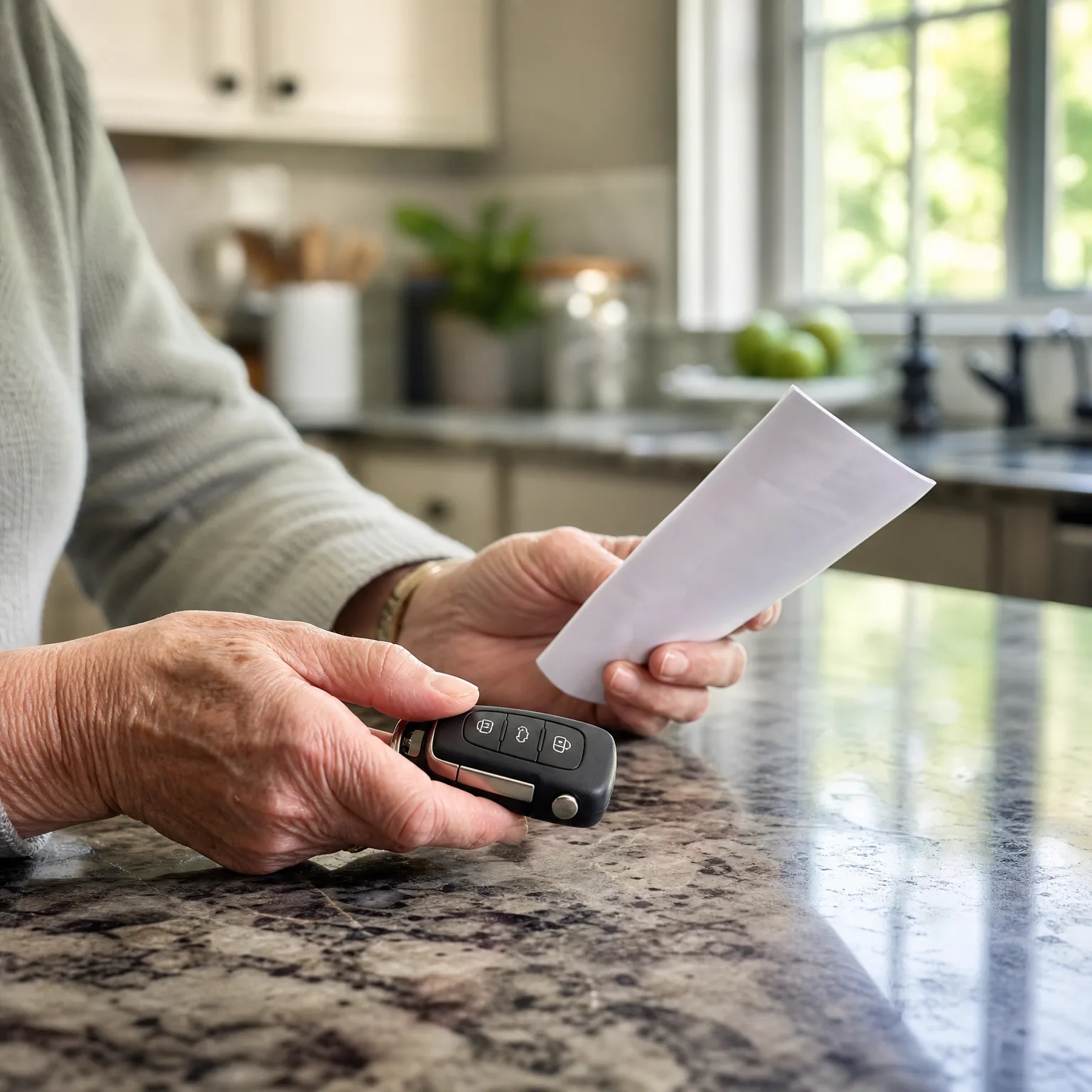
Uninsured motorist property damage coverage is built for exactly this situation. It pays for damage to your car when the at-fault driver has no insurance or can't be found, which is what a hit and run usually means.
If you don't carry that coverage, collision coverage can still pay for the damage, since collision doesn't depend on who was at fault. The difference is usually a deductible. Uninsured motorist coverage sometimes waives it for a hit and run, depending on your state and your policy. Collision almost always has a deductible.
If you have neither, there's no coverage on your own policy to turn to, and you'd be covering the repair cost yourself unless the driver is found and has insurance.
Check your policy or call your insurer to find out which of these you carry before you assume either one applies.
What you do right after it happens matters
A police report is usually required before an insurer will pay a hit and run claim, even under your own policy. Without one, the insurer has no way to confirm what happened, and some will deny the claim on that basis alone.
Witnesses, a partial license plate, dashcam footage or nearby security cameras can all help if the driver is ever identified. That matters because it can shift the claim from your own coverage to theirs, which may affect your premium differently.
Report the accident to your own insurer promptly, even if you think the other driver will never be found. Most policies require timely reporting, and waiting can give the insurer a reason to question the claim.
Questions people ask about this
Does filing a hit and run claim raise my insurance rate?
It can, depending on your insurer and your state, even though you weren't at fault. Because the claim is paid through your own uninsured motorist or collision coverage, some insurers treat it like any other claim on your policy. Ask your insurer directly how they handle not-at-fault claims before you file.
What if I don't have uninsured motorist or collision coverage?
Then there's likely no coverage on your policy for the damage, and you'd need to pay for repairs yourself unless the other driver is found and has their own insurance. This is worth checking now, before anything happens, since you can usually add either coverage at your next renewal or sooner.
Will my insurer cover a hit and run if I was partly at fault?
This depends on your state's fault rules and your policy terms. Some states reduce what you can collect if you share fault, others handle it differently. Ask your insurer how shared fault affects a claim under your specific policy.
How long do I have to report a hit and run to my insurer?
Check your policy, since reporting windows vary by insurer and sometimes by state law. Reporting promptly is always the safer choice, since a delay can give an insurer grounds to question or deny the claim.
Does the at-fault driver still owe me anything if they're found later?
Yes, if they're identified, their insurance or they personally may owe for the damage, and your insurer may pursue reimbursement on your behalf. What you recover and how it affects your claim depends on your insurer's process, so ask them directly if the driver is found.
See what uninsured motorist and collision coverage would cost you before you decide what to carry.
File a police report as soon as possible, even if you think the other driver won't be found, since most insurers require one before paying a claim. Call your insurer the same day and ask whether your policy includes uninsured motorist property damage or collision coverage. Have your policy number ready along with any photos, witness information, or footage from the scene. Ask your insurer directly how a hit and run claim would affect your premium under their rules. If you don't currently carry either coverage, ask what it would cost to add before your next renewal.