Why Is Driving at Night Harder as You Get Older
Your eyes change with age in ways that make headlights, glare, and dim roads harder to read, and there's a lot you can still do about it.
Free to compare
It comes down to how your eyes process light
Night driving gets harder as you get older because the eye's ability to adjust to low light and recover from glare declines with age. The pupil lets in less light than it used to, the lens lets through less of it, and the retina takes longer to adjust when a car's headlights sweep past.
This isn't about skill or experience. It's a physical change that happens gradually, which is why many drivers don't notice it until a specific drive, a rainy night or an unfamiliar road, makes it obvious.
Your eyes take longer to recover from glare
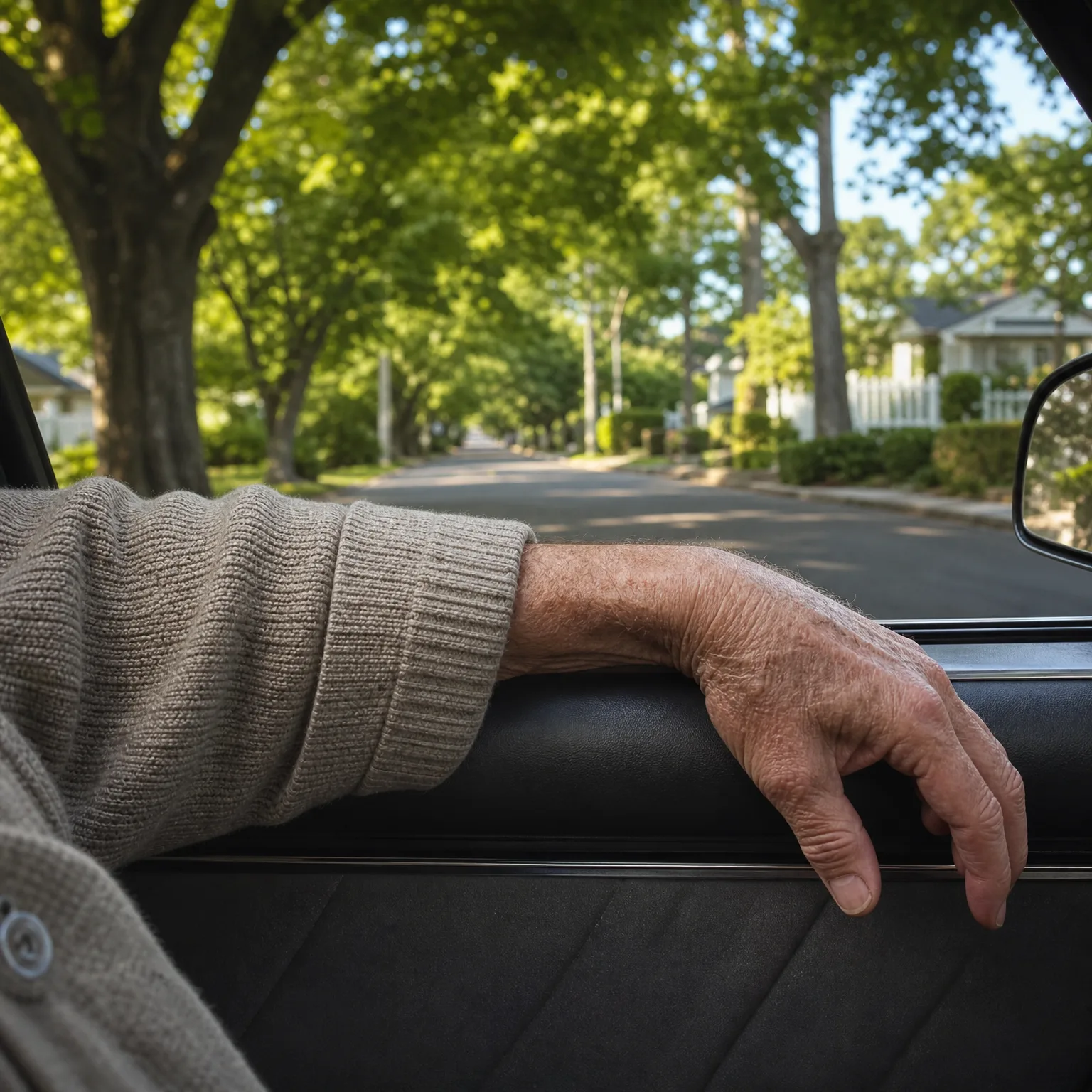
Glare recovery is the main reason oncoming headlights feel worse than they used to. A younger eye adjusts back to normal within a second or two after a bright light passes. An older eye can take several seconds longer, and during that stretch the road ahead is harder to see clearly.
This is also tied to the lens of the eye. As it ages it scatters more light instead of focusing it, which is what causes the halo or starburst effect some drivers describe around headlights and streetlights.
An eye exam can tell you whether cataracts are contributing to this. Cataracts are common with age and they make glare noticeably worse. If a doctor finds them, treatment can restore a lot of what night driving used to feel like.
If your state requires a vision test to renew your license, that test is a reasonable moment to ask your eye doctor specifically about night glare and how your eyes compare to a few years ago.
Your eyes need more light to see well, and get less of it
Older eyes need more light to see the same amount of detail as a younger eye. At the same time, the pupil doesn't open as wide in the dark as it once did, so less light reaches the retina in the first place. The combination means road signs, pedestrians, and lane markings all take more effort to pick out at night.
Depth perception and contrast sensitivity, the ability to tell a darker object from the dark road behind it, also tend to decline with age. That's part of why a person in dark clothing near the shoulder of the road can be harder to spot.
None of this means night driving becomes unsafe for everyone as they age. It means the margin for error gets smaller, which is why things like clean headlights, a clean windshield, and well-adjusted mirrors matter more than they used to.
If you notice you're slowing down more than other traffic at night, or avoiding left turns because judging oncoming distance feels harder, those are worth mentioning at your next eye exam rather than working around on your own.
Questions people ask about this
Will my insurance go up if I stop driving at night?
Choosing not to drive at night doesn't automatically change your premium. Insurers set rates based on how you're classified on the policy, not on voluntary habits they aren't told about. If you want this reflected, ask your insurer directly whether limiting your driving to daytime affects how they rate you.
Do I need to report vision changes to the DMV?
This depends on your state. Some states require you to report certain vision conditions, others rely on the vision test done at renewal. Check with your state's DMV or licensing agency to find out what applies to you.
What car features help with night driving as you age?
Features like automatic headlight dimming, larger and brighter dashboard displays, and good headlight alignment can all help reduce the strain of night driving. If you're considering a new car, it's worth test driving it after dark before deciding.
Can cataract surgery improve night driving?
Many people who have cataract surgery report that glare and halos around lights improve afterward, since the surgery replaces the clouded lens that was scattering light. Whether it's right for you is a question for your eye doctor, based on your own exam.
Should I take a driving refresher course for seniors?
A refresher course can help you review current techniques for handling glare, judging distance, and adjusting mirrors, and some insurers offer a discount for completing one. Ask your insurer whether they recognize a specific course before you sign up for one.
If night driving has gotten harder, see how it's affecting what you pay for coverage.
Schedule an eye exam if you haven't had one in the past year, and ask specifically about glare recovery and contrast sensitivity, not just whether you can read the chart. Have your headlights checked for proper aim, since misaligned headlights make glare worse for everyone else on the road too. Before your next license renewal, find out whether your state requires a vision test and what it covers. If you take a driving refresher course, ask your insurer beforehand whether it qualifies for any adjustment to your policy, and get it in writing once you finish. Bring a family member along on a night drive if you're unsure whether your own sense of how you're doing matches what they see from the passenger seat.