Will an Umbrella Policy Protect My Assets
An umbrella policy protects your assets, but only once your car and home insurance limits are used up first.
Free to compare
Yes, but only as the layer above your other coverage
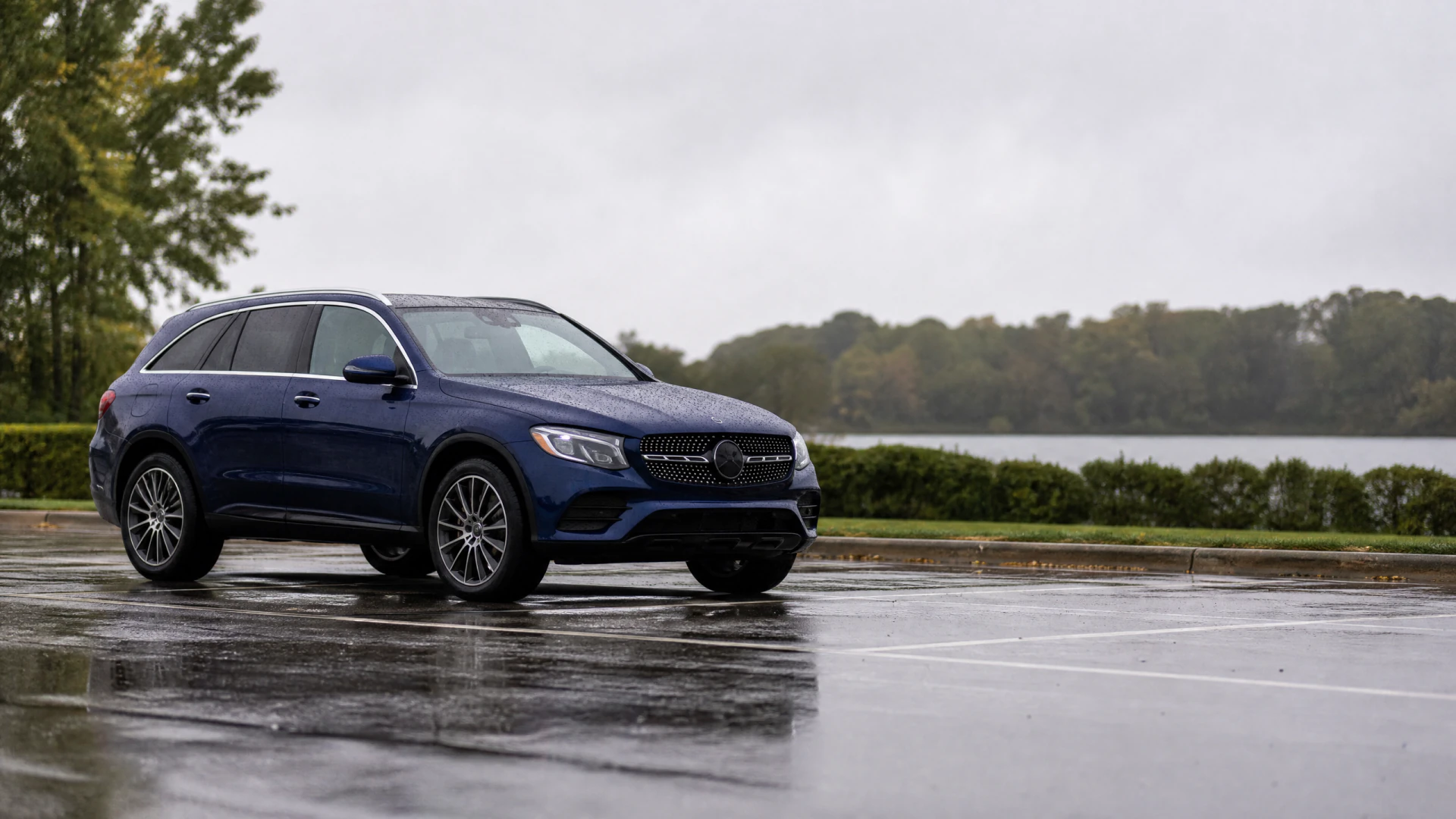
An umbrella policy pays out after you've used up the liability limits on your auto or home policy. If someone sues you after an accident and the judgment is more than your car insurance covers, the umbrella policy can cover the rest, up to its own limit. Without it, you'd have to pay the difference yourself, and that's when a house or savings account is at risk.
For this to actually protect you, your underlying auto policy has to meet whatever minimum the umbrella insurer requires. If your car insurance liability limit is too low, the umbrella company may not issue the policy at all, or it won't pay until a gap is filled. Ask your insurer what underlying limit they require before you assume the umbrella is doing its job.

Your auto liability limit decides whether the umbrella can even apply
Umbrella insurers set a floor for how much liability coverage you need to carry on your car and home before they'll sell you a policy. If your auto policy is below that floor, you have a choice to raise it or the umbrella insurer may require you to.
This matters more the longer you've been driving the same policy without reviewing it. Liability limits bought decades ago are often lower than what's common now, and a renewal notice rarely points that out. It's worth asking your insurer directly what your current liability limit is and whether it meets your umbrella policy's requirement.
If there's a gap between the two, you're responsible for it. The umbrella doesn't fill in for an underlying policy that falls short, it only starts paying once the underlying limit is exhausted.
A quick call to your agent to confirm both numbers side by side is the only way to know for sure.
What counts as an asset worth protecting changes with age
An umbrella policy protects things a lawsuit could take: home equity, savings, investments, sometimes future income if you're still working. For a retired driver, the mix often shifts toward home equity and retirement savings, which can be just as exposed as a paycheck would be for a younger driver.
Some retirement accounts have legal protection from creditors built in, depending on the type of account and the state. Other savings and property usually don't. This is worth checking with a financial advisor or attorney, since it changes how much umbrella coverage actually makes sense for your situation.
A common mistake is assuming a smaller net worth means less need for protection. A lawsuit doesn't scale to what you have. It scales to what happened. A serious accident can produce a judgment well beyond what your auto policy covers, regardless of your age or how much you've saved.
Questions people ask about this
Does an umbrella policy cover me if I'm at fault in a car accident?
Yes, if the claim is for liability, which is what causes most lawsuits after an at-fault accident. The umbrella policy pays after your auto liability limit is used up, covering the excess up to the umbrella's own limit. It won't cover damage to your own car, since that's a different kind of coverage entirely.
How much umbrella coverage do I actually need?
There's no fixed number that fits everyone, since it depends on what you have to protect and what a lawsuit in your state could realistically cost you. A financial advisor or insurance agent can walk through your assets and help you land on a limit that makes sense, rather than guessing.
Will my umbrella policy go up if I get a ticket or an accident?
That depends on the insurer and the specifics of the incident. An umbrella policy is priced based partly on your underlying auto and home policies, so if those premiums rise after a ticket or claim, the umbrella premium may follow. Ask your insurer directly how they handle this.
Can I get an umbrella policy if I'm retired and no longer working?
Being retired doesn't disqualify you. Umbrella insurers care about the assets you're protecting and whether your underlying auto and home coverage meet their required limits, not your employment status. Your agent can confirm what's needed based on your current policies.
Does an umbrella policy cover a car accident caused by a family member driving my car?
Often yes, if that person is a listed driver on your auto policy or otherwise has permission to drive your car, since the umbrella follows the underlying auto policy's liability coverage. Confirm with your insurer exactly who is covered under both your auto and umbrella policies before assuming someone is included.
See what it would cost to raise your liability limits high enough for an umbrella policy to actually work.

Call your insurer and ask two things: what your current auto liability limit is, and what limit an umbrella policy would require before it applies. Have your current policy declarations page in hand, since it lists your exact limits. If there's a gap, ask what it would cost to raise your auto liability coverage to close it. Then talk to a financial advisor or attorney about which of your assets are already protected from creditors, since that affects how much umbrella coverage you actually need. Bring both answers back to your insurance agent before buying an umbrella policy, not after.