Collision Coverage for Senior Drivers: When It Pays
Collision Coverage pays to repair or replace your vehicle when you hit another car, object, or roll over — regardless of who's at fault.
Free to compare
What Is Collision Coverage Insurance?
Collision Coverage pays for damage to your vehicle when you collide with another car, hit a stationary object like a guardrail or mailbox, or your car rolls over. It applies regardless of fault — if you're backing out of a grocery store parking space and scrape a post, collision pays for your vehicle repairs after you pay your deductible. For senior drivers, this coverage is most valuable when your vehicle is worth enough that replacing it out-of-pocket would strain your retirement savings or monthly budget. The insurer pays the actual cash value of your vehicle (what it's worth today, not what you paid) minus your deductible, up to the totaled vehicle threshold.
Who Needs Collision Coverage Insurance?
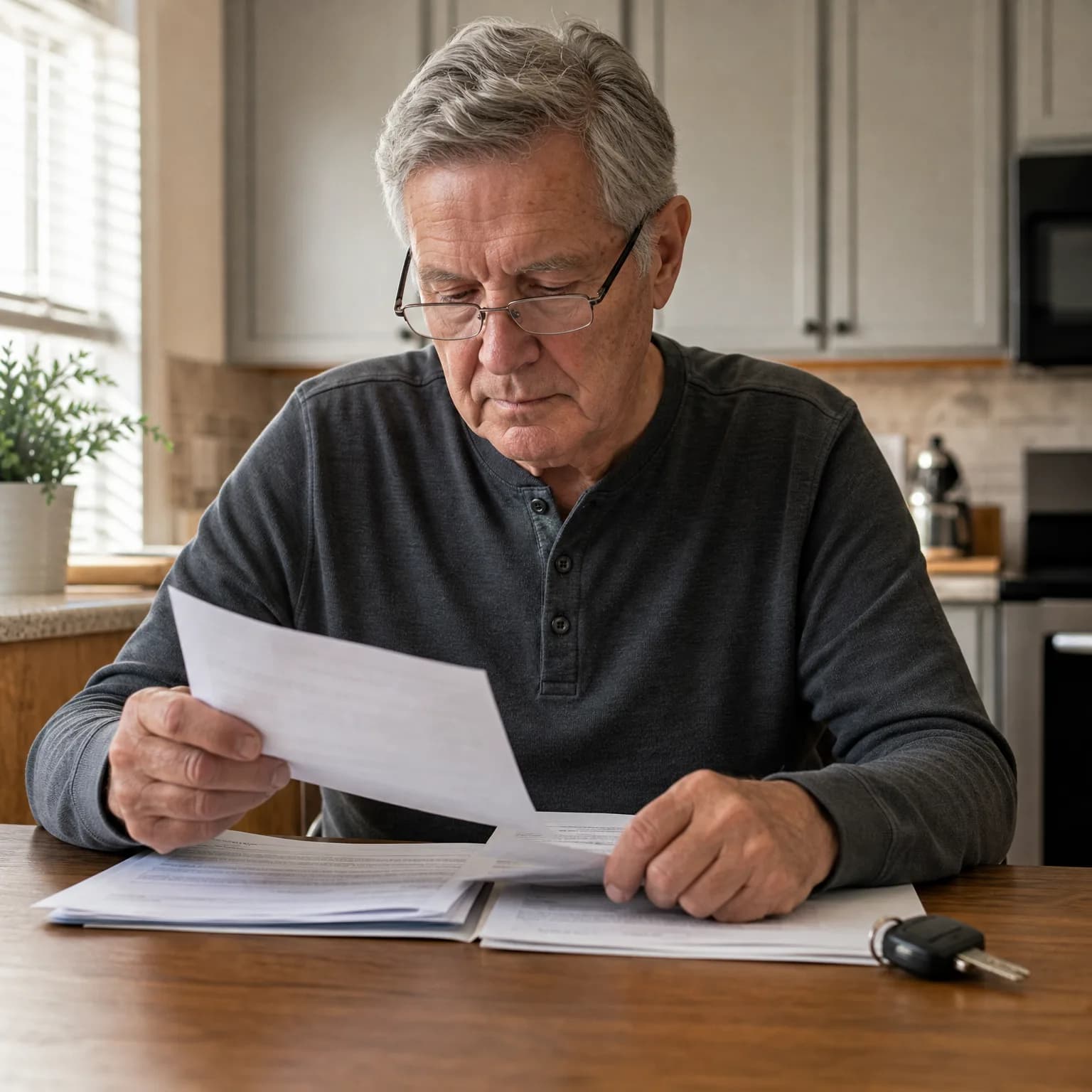
Senior drivers should maintain Collision Coverage if their vehicle is worth more than ten times the annual premium, if they lack sufficient liquid savings to replace the vehicle out-of-pocket, or if they're still making loan or lease payments (lenders require it).
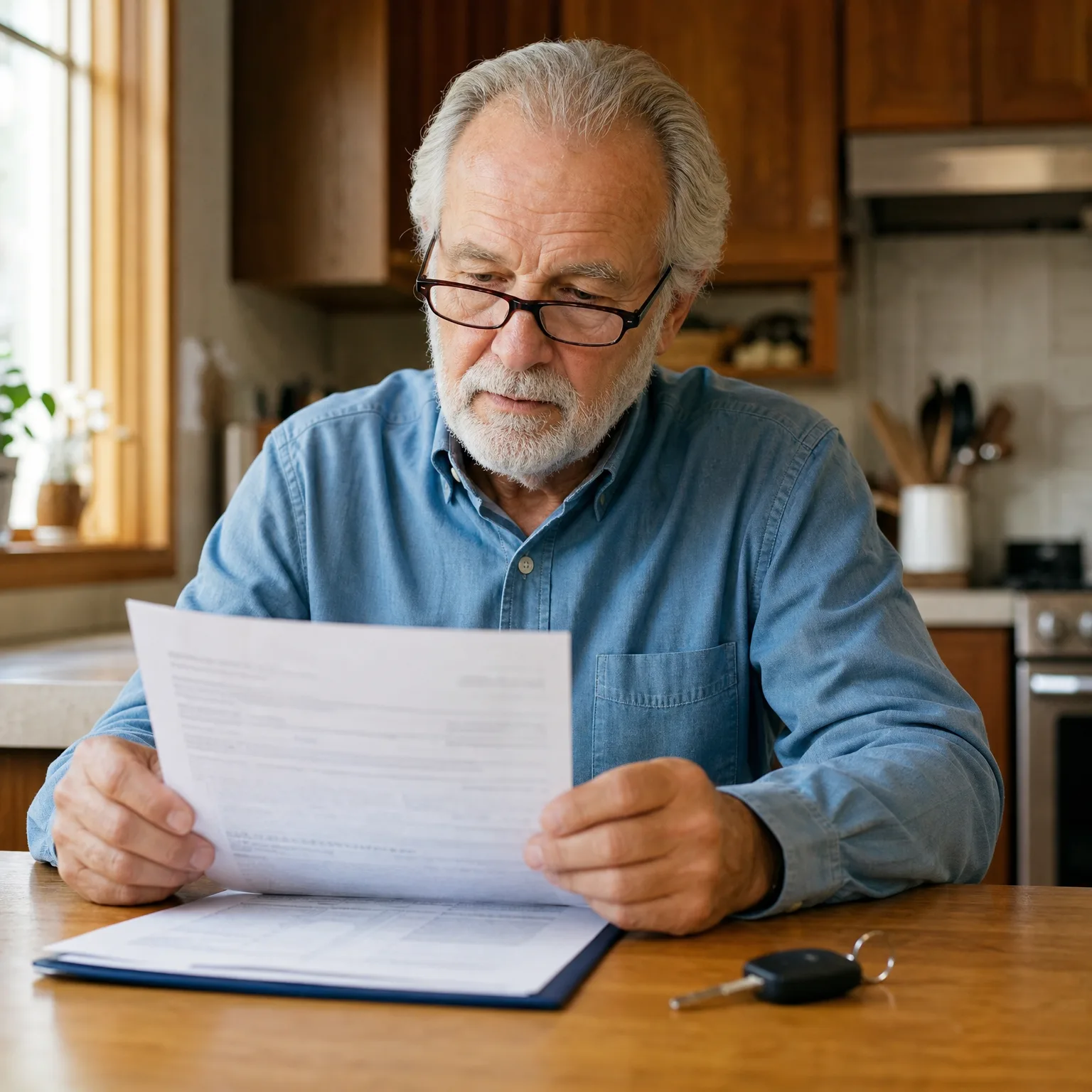
Calculate your vehicle's current actual cash value using resources like Kelley Blue Book, then divide by your annual collision premium — if the result is less than 10, seriously consider dropping coverage. Evaluate your accessible savings: could you replace this vehicle tomorrow without disrupting your retirement income or emergency fund?
How Much Does Collision Coverage Insurance Cost?
- Vehicle age and actual cash value — a 2015 vehicle costs more to insure than a 2010 model because repair/replacement payout is higher
- Credit-based insurance score in most states — seniors with decades of credit history often benefit, though some states like California prohibit this factor
- Geographic rating territory — seniors in rural areas with lower traffic density and accident frequency typically pay less than urban counterparts
Frequently Asked Questions
If I'm at fault in an accident, does collision cover my car and the other driver's car?
Collision covers only your vehicle damage when you're at fault. Your Liability Coverage pays for the other driver's vehicle and injuries. This is why senior drivers need both: liability limits of at least 100/300/100 to protect retirement assets from lawsuits, and collision to repair your own car without depleting savings — unless your vehicle value no longer justifies the collision premium.
Can I add collision coverage after an accident or only during policy renewal?
You can add collision coverage at any time, but it won't cover accidents that occurred before the coverage effective date — you cannot add it after an accident to cover that specific incident. Senior drivers re-evaluating coverage should make changes proactively based on vehicle value and financial situation, not reactively after a collision.
Related Coverage Types