
What Affects Rates in Tuscaloosa
- McFarland Boulevard between 15th Street and Skyland Boulevard sees heavy student and commuter traffic, particularly during University of Alabama semester periods (late August through early May). Senior drivers who avoid this corridor during peak academic hours—typically 7:30–9 a.m. and 4–6 p.m. on weekdays—may qualify for reduced-risk profiles with telematics programs that track time-of-day driving. Many retirees in Northridge, Lake Nicol, and Forest Lake neighborhoods use Alberta City back routes to avoid McFarland entirely during football weekends when traffic density increases dramatically.
- Drivers living west of I-359 or in unincorporated areas near Cottondale face different risk calculations than those in central Tuscaloosa neighborhoods. County routes like Old Greensboro Road and Watermelon Road have limited lighting, infrequent sheriff patrols, and higher deer collision rates—comprehensive coverage claims for animal strikes are 40% more common in these areas than in established subdivisions east of University Boulevard. If you're driving a paid-off vehicle worth under $4,000 and live in rural western Tuscaloosa County, collision coverage may not pencil out even with the equity protection it offers.
- DCH Regional Medical Center's central location at 809 University Boulevard means nearly all Tuscaloosa senior drivers are within 15 minutes of Level II trauma care. Because Medicare Part B covers accident-related injuries after a $240 annual deductible, the $5,000 medical payments coverage many carriers bundle into policies is often redundant for drivers 65+ who are already Medicare-enrolled. Dropping med pay or reducing it to $1,000 can save $8–$15 monthly without meaningfully increasing your financial exposure in a collision scenario.
- Tuscaloosa's location in the Dixie Alley tornado corridor—particularly after the April 2011 EF4 tornado—means comprehensive coverage decisions carry different weight than in north Alabama cities. Hail and wind damage claims spike March through May, and carriers price comprehensive accordingly in zip codes 35405, 35406, and 35476. If your vehicle is garaged rather than carport- or street-parked, some insurers offer modest discounts; State Farm and ALFA specifically ask about garage availability in Tuscaloosa County applications.
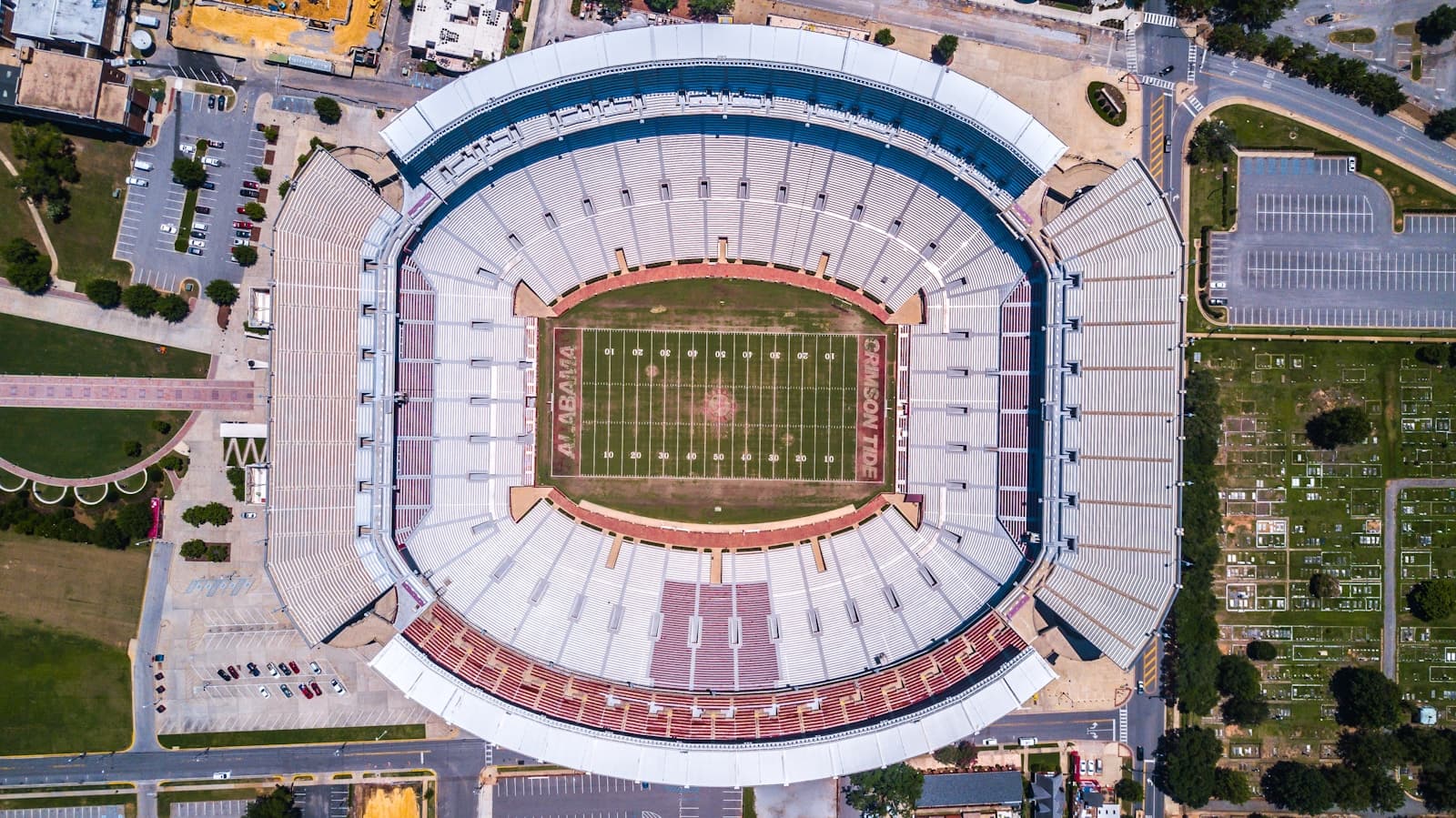
- Seven Saturdays each fall, traffic volume around Bryant-Denny Stadium increases vehicle density along 15th Street, McFarland, and I-359 exits by an estimated 300–400%. Senior drivers who avoid these corridors on game days—or who don't drive during the 4-hour windows surrounding kickoff—represent measurably lower risk profiles. Progressive and Nationwide telematics programs in Tuscaloosa specifically credit reduced weekend driving during September through November, which can yield 8–12% discounts for drivers who stay home during peak football traffic.
Compare rates from carriers that specialize in senior drivers
Mature driver discounts, low-mileage rates, and coverage reviews — see what you're actually eligible for.
Get Your Free QuoteCoverage Recommendations
Cost estimates are based on available industry data and vary by driver profile. These are not insurance quotes.
Liability Insurance
Tuscaloosa's mix of high-speed Interstate 20/59 corridors and congested McFarland Boulevard creates collision scenarios where minimum liability leaves significant financial exposure for senior drivers with assets to protect.
$40–$75/month for 100/300/100Estimated range only. Not a quote.
Comprehensive Coverage
Rural routes toward Cottondale and along Old Greensboro Road see frequent deer activity, and tornado season hail damage is a recurring risk in spring months across all Tuscaloosa zip codes.
$25–$50/month with $500 deductibleEstimated range only. Not a quote.
Collision Coverage
If you're driving a 2012 sedan worth $3,800 and primarily stay within Tuscaloosa city limits on low-speed residential streets, collision premiums often exceed potential claim payouts within 18–24 months.
$35–$70/month depending on vehicle valueEstimated range only. Not a quote.
Uninsured Motorist Coverage
Tuscaloosa County's uninsured driver rate mirrors the state average, and because many senior drivers here have substantial medical expenses, UM coverage prevents out-of-pocket costs when the at-fault party can't pay.
$15–$30/month for 100/300Estimated range only. Not a quote.
Medical Payments Coverage
With DCH Regional Medical Center accessible within 15 minutes citywide and Medicare covering accident injuries after a $240 deductible, many Tuscaloosa senior drivers reduce med pay to $1,000 or eliminate it entirely to save $10–$18 monthly.
$8–$20/month for $5,000 coverageEstimated range only. Not a quote.