Alternatives to Owning a Car in Retirement
Giving up the car ends the premium, but you still need a plan for the trips a car used to cover.
Free to compare
Dropping the car saves money, but check what you still need covered
Selling the car and canceling the policy stops the premium, the registration fee, and the maintenance costs that come with owning one. For a lot of retired drivers that's real money freed up every month.
But a few things still need thought first. If you'll drive occasionally, a rental car or a borrowed car still needs insurance for that day, and your own policy won't cover it once it's canceled. If someone else in the house keeps a car, ask whether staying as a named driver on their policy costs less than going without any coverage at all. And if you ever want to insure a car again later, some insurers look at whether you had a lapse in coverage, so ask yours what a gap means for you before you let the policy lapse.
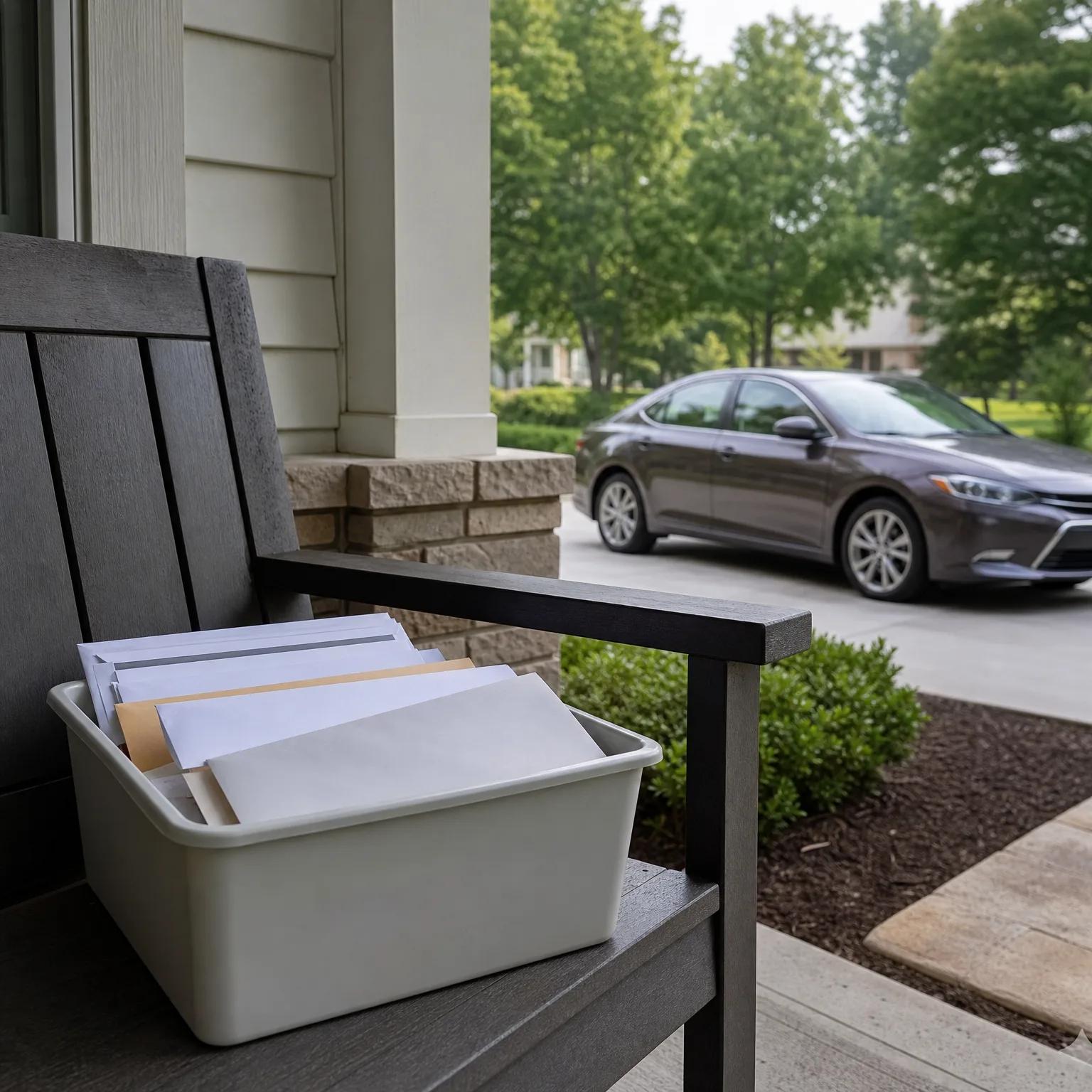
How you'll actually get around matters more than the savings
Before canceling anything, write down the trips the car currently covers: the grocery run, the doctor, the pharmacy, visits to family. Then work out what replaces each one. Public transit, a senior ride service, family members, or rideshare apps all work for some trips and not others.
In a lot of places, giving up the car is easiest where there's reliable transit or a senior transportation program through the town or county. In a rural area with no transit, it's a harder trade, and a lot of people in that situation keep the car but shift to a cheaper policy instead of dropping coverage entirely.
Some communities run low-cost or free rides for older residents through the local senior center or council on aging. It's worth a call before deciding the car has to go, since that service might cover more of the gap than expected.
If you'll still drive sometimes, a non-owner policy is worth asking about. It insures you when you drive a car you don't own, like a rental or a friend's car, for less than keeping your own car insured full time.
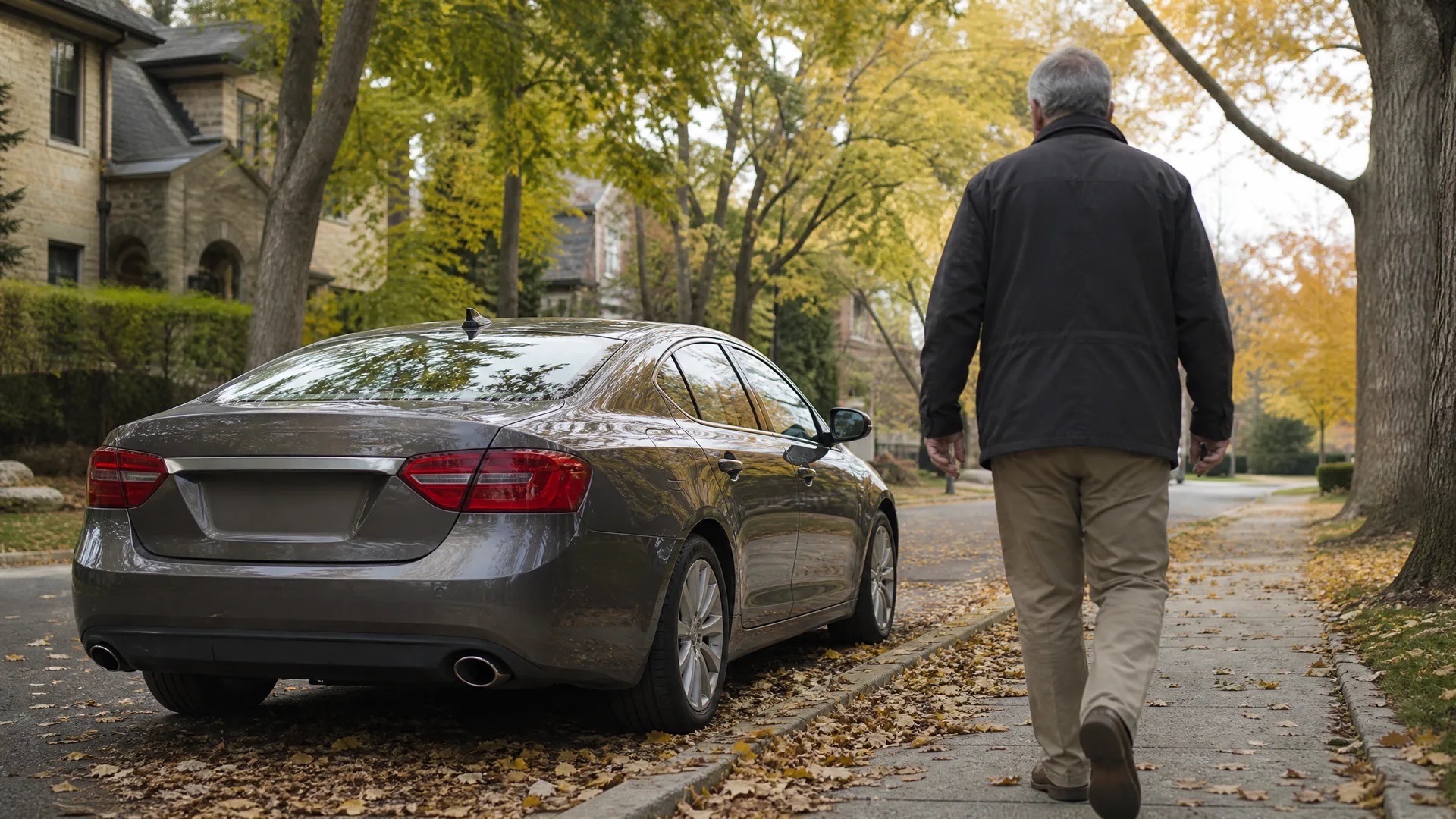
What people get wrong about canceling the policy
A lot of people cancel the car insurance the same day they sell the car, without checking if they'll need to drive at all in the weeks after. If you're arranging a ride to appointments or help from family, there can be a stretch where you still need to drive yourself, and it's better to time the cancellation for after that settles.
Another thing people miss is telling their insurer why they're canceling. Some insurers have a lower-cost option for people who stop driving regularly but still want some coverage, instead of dropping the policy altogether. It costs nothing to ask before you cancel.
Finally, canceling a policy doesn't erase your driving history. If you start driving again later, whether after a stretch of using rides or after a move, your old record and any gap in coverage still follow you. Ask your insurer how they'd treat you if you came back, so there are no surprises.
Questions people ask about this
Can I keep my driver's license if I don't own a car anymore?
Yes, owning a car and holding a license are separate things. You can keep a valid license for identification or for occasional driving even without owning a vehicle, as long as you still meet your state's renewal requirements like vision tests or in-person visits.
Is it cheaper to rent a car occasionally than to keep insuring one?
It depends on how often you'd need one. If you'd drive only a handful of times a year, rental costs plus a non-owner policy often come out well below a full year of ownership and insurance. If you'd need a car most weeks, owning one is usually still cheaper overall.
What happens to my insurance discounts if I stop owning a car?
Discounts tied to the vehicle, like safe driving or low mileage discounts, end when the policy does. Discounts tied to you as a driver, like a mature driver course discount, only matter again if you insure another car later, so ask your insurer how long that credit stays on file.
Will giving up my car affect my car insurance rate if I need coverage again later?
It can, depending on the insurer and how long the gap lasted. Some insurers treat a coverage lapse as a reason to raise your rate or ask more questions, so if you think you might insure a car again someday, ask your current insurer how they handle that before you cancel.
Should I keep a non-owner policy even if I rarely plan to drive?
It's worth asking your insurer about, since a non-owner policy can keep continuous coverage on your record for less than a full policy. Whether it makes sense depends on how often you expect to drive someone else's car or a rental, which only you can estimate.
If you're not ready to give up the car entirely, see what a lighter policy would cost first.
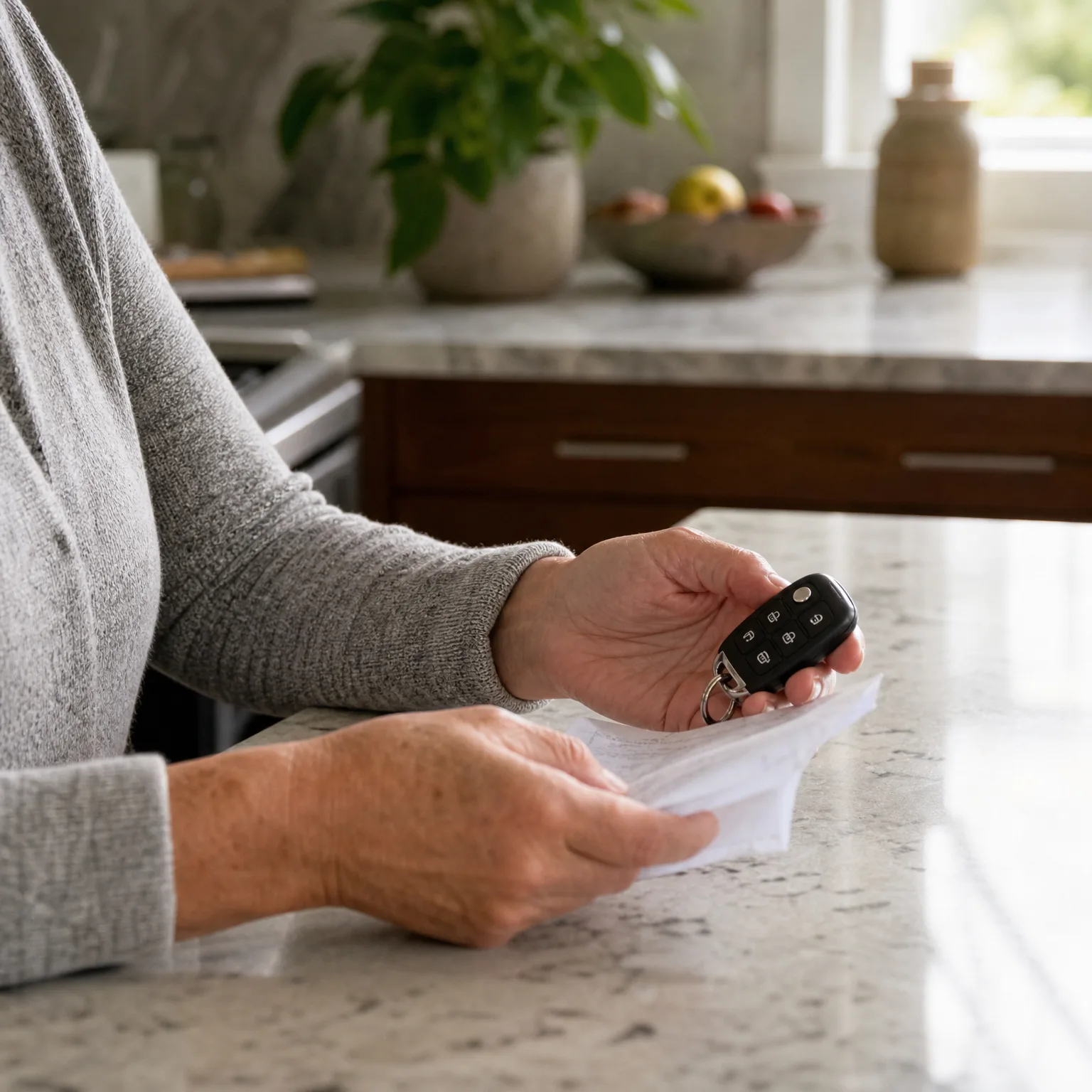
Before you cancel anything, call your insurer and ask two things: what a coverage lapse would mean if you insure a car again later, and whether they offer a reduced policy for infrequent drivers instead of full cancellation. Separately, call your local council on aging or senior center to ask what transportation help exists in your area, since many programs aren't advertised well. Map out your regular trips for the next month and match each one to a ride option before the car is gone, not after. If you'll keep driving occasionally, ask about a non-owner policy so you're covered on the days you do. Keep the title, registration, and insurance cancellation paperwork together in case you need to show proof of the lapse date later.