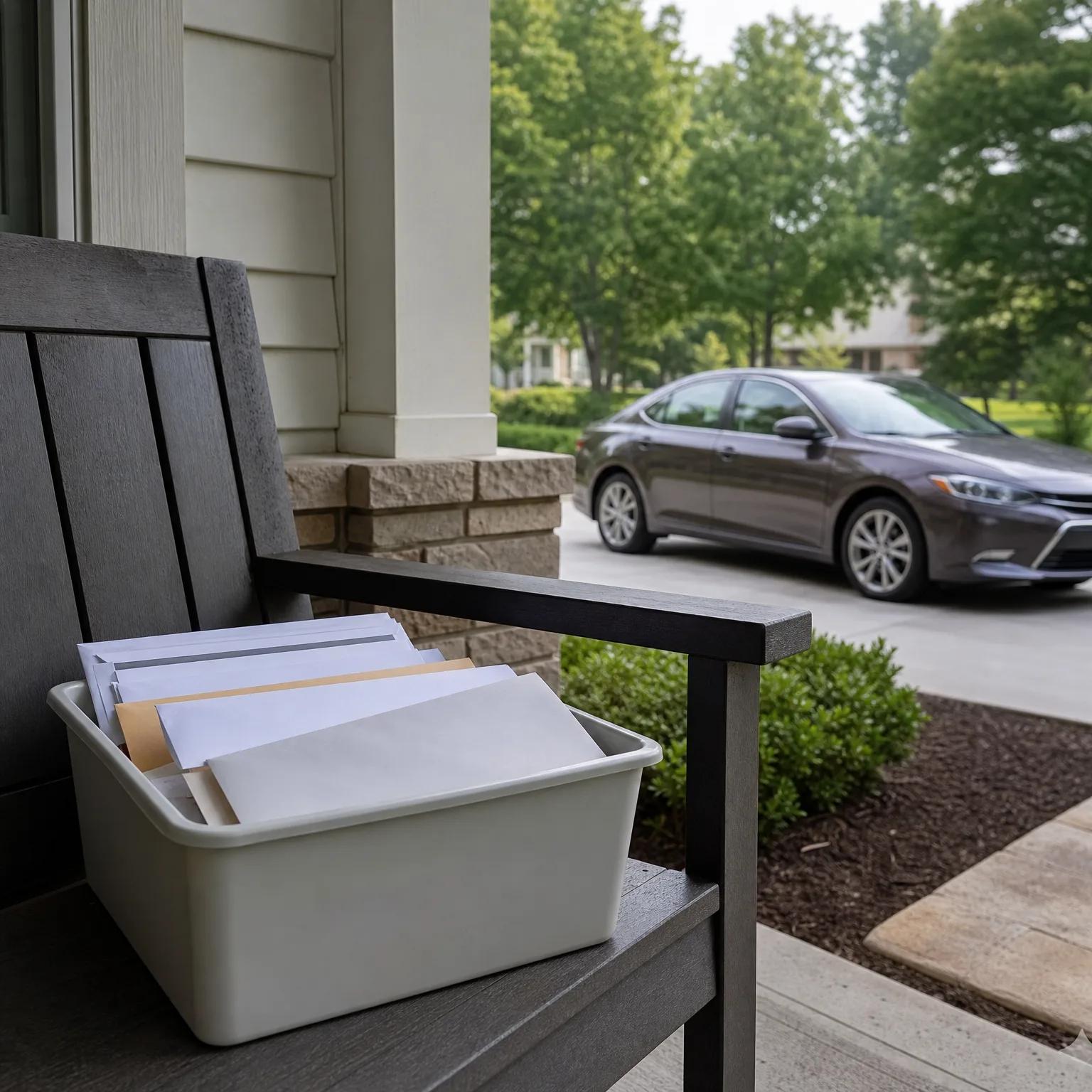
What Can I Do Instead of Driving as a Senior
Most areas offer some mix of rideshare, transit, and senior transportation programs, and stepping back from driving gradually is usually easier than stopping all at once.
Free to compare
Rideshare, transit, and senior transportation programs cover most of what driving did
Rideshare services like Uber and Lyft can cover one-off trips, doctor's appointments, and errands, and many areas have senior-specific transportation programs through the local Area Agency on Aging that offer free or low-cost rides. Public transit, where it exists, handles routine trips like grocery shopping or visiting friends.
Which option fits best depends on where the reader lives. Someone in a city has transit and rideshare both available. Someone in a rural area may have only a county senior van service or rely on family and neighbors. It's worth calling the local Area Agency on Aging to ask what exists nearby, since these programs vary widely by county and aren't always easy to find by searching online.
Whether the car is sold or just parked changes what happens with insurance
If the car is sold, the policy on it can be canceled, and depending on the insurer there may be a refund for the unused portion of the premium. If the car stays in the household but the senior stops driving it, the insurer should be told, because most companies offer a lower rate for an excluded or non-driving household member.
Some households keep the car registered and insured for occasional use by another family member, or for the rare trip the senior still wants to make. That's usually cheaper than full coverage for a regular driver, but it has to be set up correctly with the insurer. Simply not driving the car while it stays on the same policy at the same rate is the one option that saves nothing.
It's worth asking the insurer directly what happens to the policy and the premium in each of these scenarios, since the answer depends on the company and sometimes the state.
Giving up driving gradually is usually easier than stopping all at once
Many seniors start by limiting themselves to daytime trips, familiar routes, or good weather, and only fully stop later. This gives time to test out alternatives like rideshare or a senior van service before the car is gone entirely, rather than figuring it out under pressure.
Family members can help by setting up rideshare accounts in advance, or by scheduling a standing ride for recurring appointments. Having the alternative already working before the car is given up tends to make the transition feel less like a loss.
A fitness-to-drive evaluation through an occupational therapist can also help here. It gives a clearer picture of what's actually changed, rather than guessing, and can point toward which trips are still fine to make solo and which aren't.
Questions people ask about this
How do I talk to my parent about giving up driving?
Most people find it goes better as an ongoing conversation than a single confrontation. Starting with specific concerns, like a recent close call or a missed stop sign, tends to land better than general statements about age. Bringing in a doctor or occupational therapist can help, since the concern then comes from a professional rather than just family.
Can I get a ride to the DMV without driving myself?
Yes, rideshare services and most senior transportation programs will take a rider to the DMV the same as anywhere else. Some county senior van programs require advance scheduling, so it helps to call a day or two ahead rather than expecting a same-day pickup.
Will my car insurance go up if I stop driving but keep my license?
Keeping a license without a car to insure usually has no effect on cost, since there's nothing to insure. If the car stays in the household, telling the insurer the senior is no longer driving it can lower the premium, because insurers typically rate a policy based on who actually drives the car.
What is a senior transportation program and how do I find one?
These are local programs, often run through the county or an Area Agency on Aging, that provide low-cost or free rides for older adults to appointments, errands, and social activities. They're not always well advertised, so calling the local Area Agency on Aging directly or asking a hospital social worker is usually more effective than searching online.
Does giving up my license affect any other insurance I have?
Letting the license lapse shouldn't affect health insurance or life insurance. It can matter for the auto policy itself, since an insurer may ask about licensed drivers in the household when the policy renews. Checking with the agent before the license lapses avoids any confusion at renewal.
If a car is staying in the household even part-time, it's worth seeing what a policy change could cost or save.
Start by calling the local Area Agency on Aging to ask what senior transportation options exist nearby, since these vary a lot by county. Set up a rideshare account in advance, even before it's needed, so it's familiar when the time comes. If a car will stay in the household, call the insurer to ask how the policy and premium change when a senior is excluded as a driver versus when the car is sold outright. Keep a list of recurring trips, like weekly appointments or errands, and match each one to a specific alternative before giving up the car. If there's any doubt about fitness to drive, ask a doctor about a referral for a formal driving evaluation.