Are Front Parking Sensors Worth It for Older Drivers
For most older drivers they help with close, slow-speed parking and small objects that are easy to miss, especially if judging distance or turning to look has gotten harder.
Free to compare
Yes, if close-range parking or turning to check your blind spots has gotten harder
Front parking sensors warn you when you're about to hit something you can't easily see, like a low post, a curb, or another car's bumper. For a driver whose neck or back makes it harder to twist around and look, or whose depth perception has changed, that warning is useful every time you pull into a garage or a tight spot.
They don't replace mirrors or a backup camera, and they won't stop you from drifting out of a lane or help with a crash at speed. Their job is narrow: tell you how close you are to something right in front of the car. If that's the kind of mistake you or your parent tends to make while parking, the sensors are worth having.
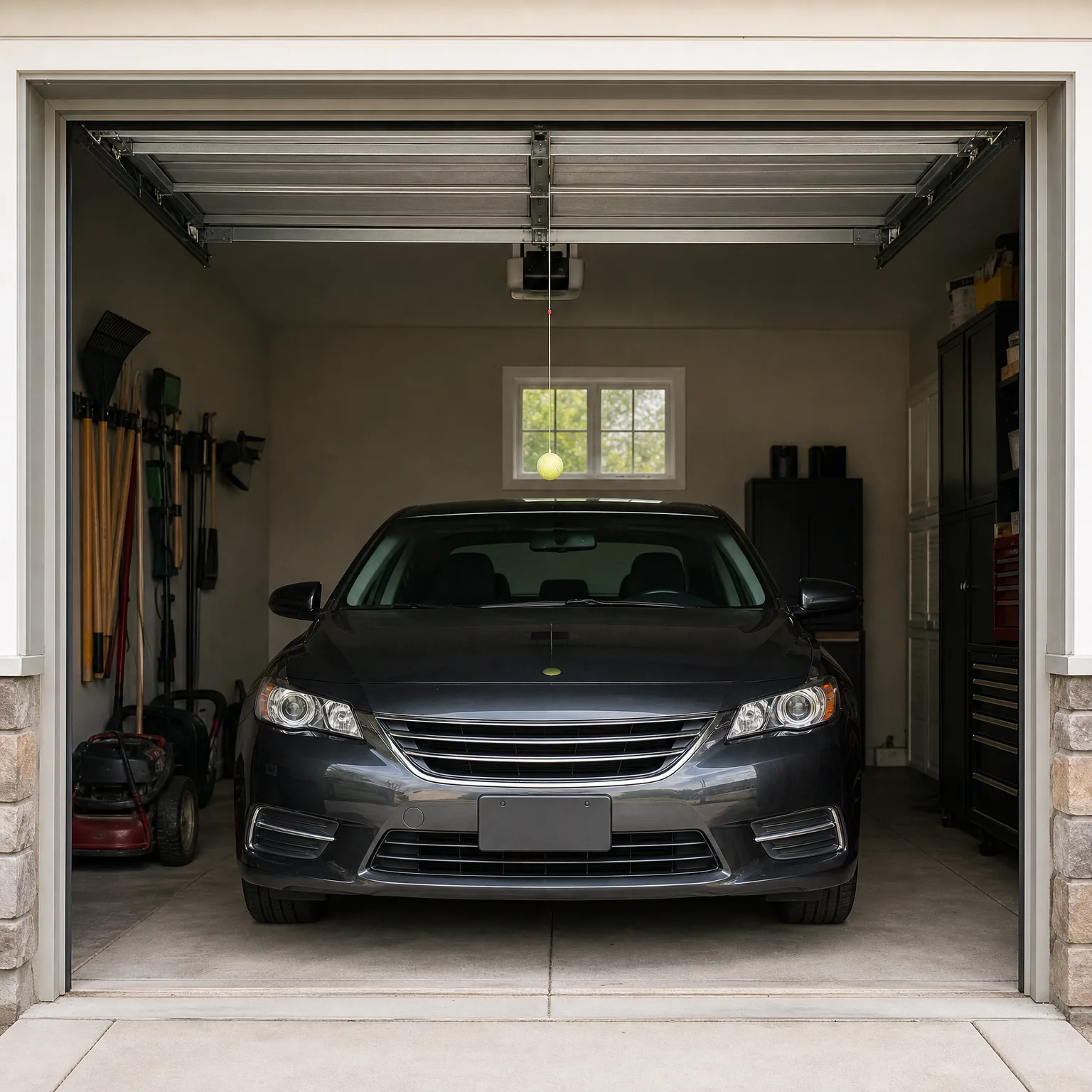
What your eyes and reflexes need changes the value
Parking sensors are most useful to someone whose vision or reaction time has slowed enough that misjudging a few inches is a real risk, not just an annoyance. If you've had a vision test recently and your depth perception or peripheral vision has changed, that's a sign the sensors will earn their keep.
They're also useful if turning your head or body to check around the car has become uncomfortable. A sensor doesn't require you to twist around. It just beeps.
If none of that describes you and you park carefully without much trouble, the sensors are a convenience, not a need. They won't hurt, but they're not solving a problem you have.
Worth asking yourself honestly: has anyone in the family mentioned you clipping a curb, a post, or a mailbox more than once. That's usually the clearest sign the sensors would help.
What car you drive and how you use it matters too
Sensors help most in situations where you're parking close to things often: a tight garage, a crowded driveway, a narrow space at a store. If you mostly park in open lots, you'll get less use out of them.
Some cars already come with sensors built in, or offer them as part of a safety package that also includes a backup camera. Check your car's trim level and options before assuming you need to add anything.
If your car doesn't have them, adding aftermarket sensors is possible but the quality and reliability vary by installer and product. Ask whoever installs them how the sensors are tested and what happens if one fails.
Keep in mind that sensors need to be kept clean and unobstructed to work. A sensor covered in road grime or snow won't warn you of anything.
Questions people ask about this
Do parking sensors lower my car insurance rate?
Not usually on their own. Insurers look at safety features as a group, and some give a discount for a broader safety package rather than for sensors specifically. Ask your insurer directly what features they recognize and whether parking sensors count.
Are backup cameras more useful than front parking sensors for older drivers?
They serve different purposes. A backup camera shows you what's behind the car when reversing, which is required on new cars sold today. Front sensors warn about what's ahead when pulling in or parking close to something. Many older drivers benefit from having both, since reversing and close-front parking are different situations.
Can I get parking sensors added to my current car?
In most cases yes, through an aftermarket installer, though the cost and quality depend on the product and the installer. Ask to see the sensor's range and whether it works reliably in rain or low light before you commit.
Will my insurer require a vision test because of my age?
That depends on your state, not your insurer. Some states require vision or other testing at renewal past a certain age, others don't. Check with your state's motor vehicle agency to find out what applies to you.
Do parking sensors help with a suspended or restricted license review?
Not directly. A license review usually looks at your driving record, vision, and sometimes a road test, not at what safety equipment your car has. If you're facing a review, ask the agency handling it what specifically they're evaluating.
If you're deciding whether added safety features are worth paying for, it helps to see how a few insurers actually price your situation.
Start by checking your car's current trim and options to see if parking sensors are already built in. If they're not, get a quote from an installer and ask about the sensor's range, reliability in bad weather, and what happens if one fails. Before you add anything, call your insurer and ask plainly whether safety features like this affect your premium or only count as part of a larger package. If vision or reaction time is part of what's prompting this, it's worth scheduling an eye exam around the same time. And if the real question is whether to keep driving in certain conditions, that's worth talking through with family or a doctor, not just solved with equipment.