Do Cheap Parking Sensors Work for Older Drivers
A budget sensor kit can genuinely help, but only if it's installed right and you check it actually works before you trust it.
Free to compare
Yes, if it's installed and tested properly
Cheap parking sensors can work fine. The electronics inside a budget kit and a premium one often aren't that different. What varies is the installation and how reliable the warning actually is once it's on your car.
For an older driver, the real value is a louder or clearer warning than what your own hearing or peripheral vision might catch on its own. That only holds if the sensors are mounted at the right height and angle for your bumper, and if you've tested them against something solid before you need them for real.
How it's installed matters more than what it costs
A sensor kit that's been stuck on crookedly or mounted too high will miss things it should catch, no matter what it cost. Cheap kits are more likely to be installed by the owner rather than a shop, and that's where most of the complaints come from, not the hardware itself.
If you're fitting it yourself, measure twice and follow the height guide that comes with the kit exactly. If that's not something you want to take on, many auto shops will install a kit you've bought for a modest fee, and that's often worth it.
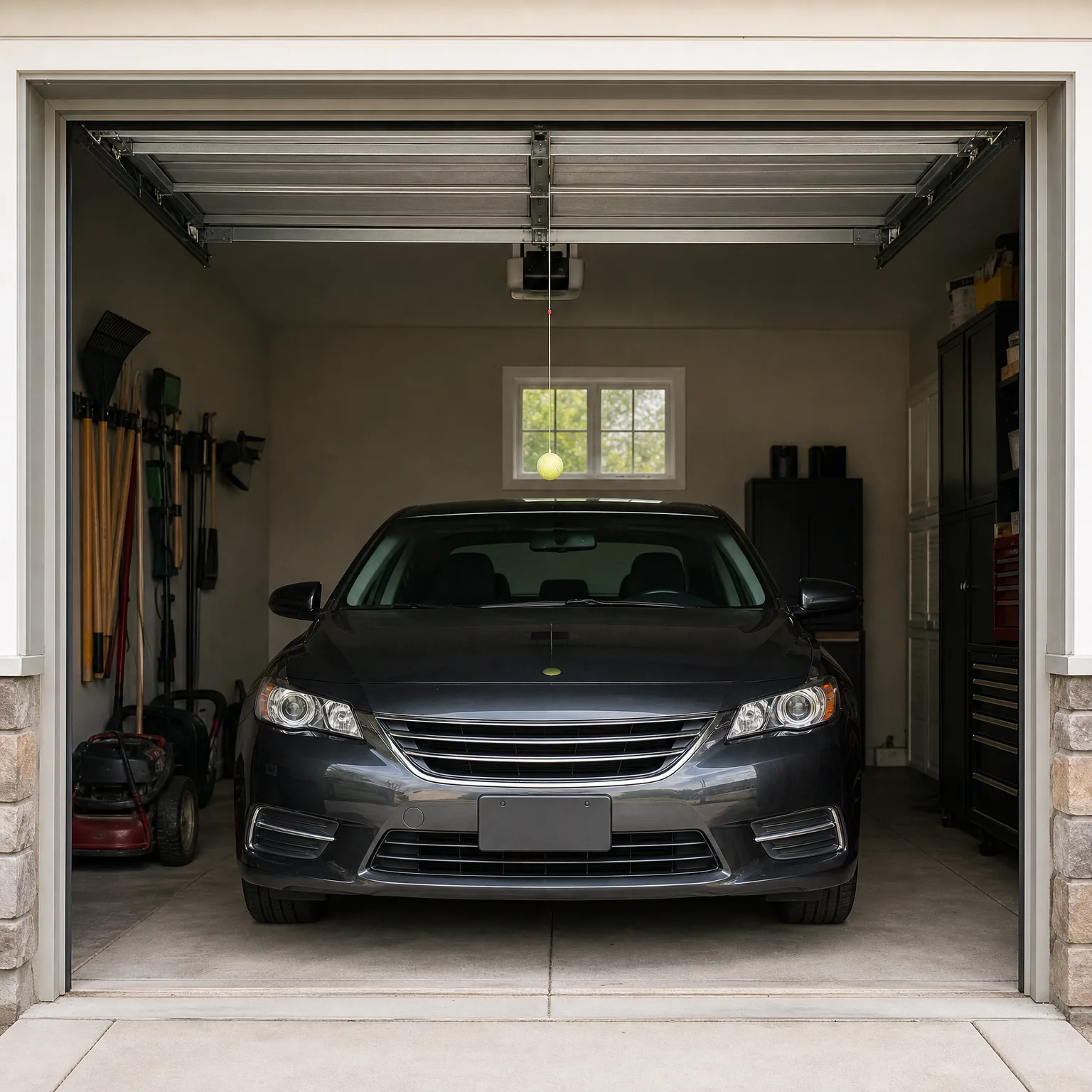
Once it's on, test it. Back toward a cone, a box, or a wall at a speed you'd actually use, and see at what distance it starts warning you. Don't assume it works the way the packaging says until you've checked it yourself.
A kit that's a close match for your bumper shape and your car's height off the ground will outperform a more expensive one that's a poor fit.
What a cheap kit won't do
Budget sensor kits typically only detect objects directly behind or in front of the car, in a straight line. They won't catch something approaching from the side, a child running past, or a low object like a curb or a small post, unless the kit specifically says it covers that range.
If your eyesight or hearing has changed, a sensor kit is a backup, not a replacement for checking your mirrors and turning to look. Insurers and the DMV don't treat a sensor kit as a substitute for anything related to your vision or your ability to drive safely. It's an aid you added, not a credential.
Some cheap kits also have a shorter range or a less precise warning as the car gets close, which matters most in tight parking spots. If that's where you do most of your parking, read the kit's specs for its minimum detection distance before buying.
Questions people ask about this
Will installing parking sensors lower my car insurance?
Not on its own. Insurers generally price based on your driving record, your vehicle, and your coverage choices, not aftermarket add-ons like sensors. If you think a safety feature might matter to your insurer, ask them directly rather than assuming it will show up as a discount.
Do parking sensors affect a vision test or license renewal?
No. A vision test and license renewal are about your own eyesight, not equipment on your car. The DMV doesn't ask about aftermarket sensors, and a sensor kit isn't something you'd report or need to disclose.
What's the difference between parking sensors and a backup camera?
A camera shows you what's behind the car, while sensors give you an audible or visual warning based on distance. They work well together, but a sensor kit doesn't replace the view a camera gives you. If your car already has a backup camera, sensors are a supplement, not a substitute.
Can I install parking sensors myself or do I need a shop?
Many kits are made for home installation, but it depends on your comfort with basic wiring and drilling into the bumper. If you're not confident doing it yourself, a shop installation is usually inexpensive and removes the guesswork about placement and wiring.
Do parking sensors work on older cars without a backup camera?
Yes, most aftermarket sensor kits are designed to work independently of any camera system. They're a common choice for older cars that didn't come with factory parking assistance. Check that the kit is compatible with your bumper material, since some sensors don't mount well on certain finishes.
If you're looking at ways to lower your premium, it's worth comparing what different insurers actually offer a driver like you.
If you're buying a sensor kit, check its specs for detection range and compatibility with your bumper before you order. Once it's installed, test it yourself against a solid object at normal driving speed rather than trusting the manual. If you're unsure about installation, ask a local shop what they'd charge to fit a kit you supply. And if you're renewing your policy soon, call your insurer and ask directly whether any safety equipment you've added is something they factor into your rate, rather than assuming either way.