
Best Car Insurance Discounts for Seniors in Honolulu
Free to compare
Why Hawaii Insurers Don't Automatically Apply Senior Discounts
Hawaii operates as a modified no-fault state with Personal Injury Protection requirements, and insurers here process policy renewals differently than mainland carriers. Most Honolulu seniors who complete an approved mature driver course, reduce their annual mileage below 7,500 miles, or qualify for retiree discounts will not see these savings reflected at renewal unless they explicitly request them. The state does not mandate automatic application of age-related discounts, and carriers rely on policyholders to update their profiles when life circumstances change.
This creates a significant cost gap for drivers over 65. A mature driver discount in Hawaii typically ranges from 5% to 15% of your total premium, which translates to $120–$280 annually for a policy averaging $1,850 per year in Honolulu. Low-mileage programs can add another $80–$170 in savings if you're driving under 7,500 miles annually — common for retirees who no longer commute to downtown or Pearl Harbor employment centers. These discounts stack, but only if you've documented eligibility and requested application.
The renewal notice you receive 30–45 days before your policy expires will show your current rate and any automatically applied discounts like claims-free or multi-policy bundles. What it won't show are discounts you qualify for but haven't claimed. Call your agent or carrier directly during this window with your mature driver course completion certificate, current odometer reading, and retirement status documentation. Requesting adjustments after the renewal processes can delay implementation by 30–60 days while the carrier re-underwrites your policy.
Mature Driver Course Discounts: Hawaii's Requirements and Actual Savings
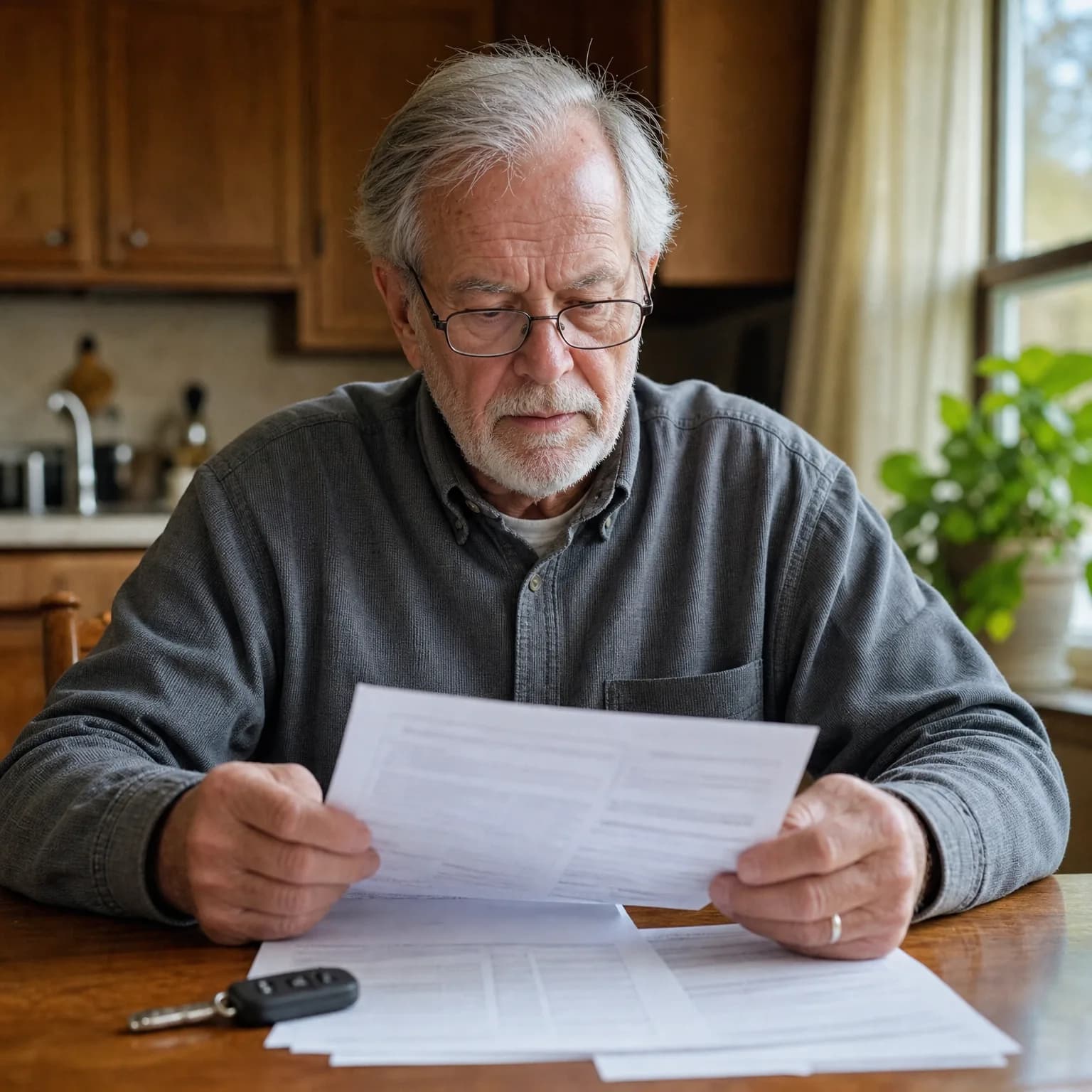
Hawaii does not mandate that insurers offer mature driver discounts, but most major carriers operating in Honolulu provide them voluntarily. The discount applies when you complete an approved defensive driving course specifically designed for drivers 55 and older — AARP Smart Driver, AAA Roadwise Driver, and National Safety Council courses are the three most widely accepted programs. The course must be completed within the past three years to maintain eligibility, and you'll need to provide a completion certificate to your insurer.
The discount range in Honolulu runs from 5% to 15% depending on carrier and your base premium. State Farm and Geico typically offer 10% for three years following course completion. USAA provides up to 15% for military-affiliated retirees. Local Hawaii carriers like First Insurance Company of Hawaii and Island Insurance often cap the discount at 5–8%, but their base rates for senior drivers with clean records can be lower than national carriers even without the course discount.
The AARP Smart Driver course costs $25 for members ($20 online) and takes 4–6 hours to complete. If your annual premium is $1,850, a 10% discount saves you $185 per year, recovering the course cost in less than two months. The course covers Hawaii-specific traffic patterns, how to handle wet road conditions common on windward Oahu during winter months, and intersection navigation in high-pedestrian areas like Waikiki and Chinatown. Completion certificates are issued immediately upon finishing the online version, allowing you to submit documentation to your carrier the same day.


Low-Mileage and Retiree Programs for Honolulu Drivers
Oahu's geographic constraints mean most Honolulu residents already drive fewer miles than mainland averages — the island's longest dimension is only 44 miles. If you've retired and no longer commute to work, your annual mileage likely dropped from 10,000–12,000 miles to 5,000–7,000 miles. This qualifies you for low-mileage discounts that most carriers offer in tiers: under 7,500 miles annually typically earns 5–10% off your premium, while under 5,000 miles can reach 10–15% with some insurers.
Geico and Progressive both offer usage-based programs that track actual mileage through a mobile app or plug-in device. For Honolulu drivers concerned about privacy, Allstate and State Farm allow self-reported mileage verified at annual odometer readings during renewal. The self-reported option requires you to provide a photo of your odometer or have your agent document it during an in-person review. Discrepancies between reported and actual mileage can void the discount retroactively, so estimate conservatively if your driving patterns vary seasonally.
Retiree-specific programs are less common in Hawaii than mainland states, but USAA, GEICO, and Nationwide offer them to qualifying members. These discounts recognize that retired drivers typically avoid rush-hour traffic, drive during daylight hours, and maintain more flexible schedules that reduce accident risk. The discount ranges from 5–10% and can stack with mature driver and low-mileage savings. You'll need to provide proof of retirement status — a pension statement, Social Security award letter, or formal retirement notice from your employer typically suffices.
Telematics programs like Snapshot (Progressive) and Drivewise (Allstate) can provide additional savings for senior drivers with safe habits, but they monitor more than just mileage. These programs track hard braking, rapid acceleration, nighttime driving, and phone use while driving. Honolulu traffic patterns — frequent stops on H-1, tight parking in urban neighborhoods, and tourist-heavy areas like Kalakaua Avenue — can trigger hard braking events even for experienced drivers. If your driving style is naturally cautious and you primarily drive during off-peak hours, telematics can save you an additional 10–25%. If you navigate congested areas frequently, self-reported low-mileage programs may yield better results.
When to Drop Full Coverage on a Paid-Off Vehicle
Most Honolulu seniors own their vehicles outright — the average age of a vehicle in Hawaii is 12–14 years due to the state's mild climate and lack of road salt corrosion. If your vehicle is paid off and worth less than $4,000–$5,000, continuing to pay for comprehensive and collision coverage may not be cost-justified. A useful formula: if your annual premium for these coverages exceeds 10% of your vehicle's current value, you're likely paying more in premiums than you'd recover from a total loss claim after deductible.
For example, if your 2012 Honda Civic is worth $4,200 and your combined comprehensive and collision premium is $520 per year with a $500 deductible, you'd net $3,700 maximum from a total loss claim. Over three years, you'll pay $1,560 in premiums — nearly 40% of the vehicle's value. Dropping to liability-only coverage in this scenario makes financial sense for most seniors on fixed incomes, especially if you have savings to replace the vehicle if necessary.
However, Hawaii's weather and environmental factors create specific risks that favor keeping comprehensive coverage even on older vehicles. Honolulu experiences flash flooding during heavy rains, particularly in areas near the Ala Wai Canal and low-lying neighborhoods in Kalihi and Mapunapuna. Volcanic fog (vog) and salt air accelerate paint and glass damage. Comprehensive coverage protects against flood damage, falling tree branches during tropical storms, and theft — Oahu consistently reports higher vehicle theft rates than the national average, particularly for older Honda and Toyota models. If you park on the street or in an uncovered carport, comprehensive coverage may be worth maintaining even on a vehicle worth $3,000–$4,000.

See What Drivers Over 65 Are Paying Now
See If You Qualify for Discounts
How Medicare and PIP Coverage Work Together After an Accident
Hawaii requires all drivers to carry Personal Injury Protection with minimum limits of $10,000 per person. PIP covers your medical expenses and lost wages after an accident regardless of fault, but the interaction with Medicare creates confusion for senior drivers. Medicare is always the primary payer for medical expenses if you're 65 or older and enrolled, meaning your PIP coverage becomes secondary. However, PIP typically pays faster than Medicare and covers some expenses Medicare doesn't — immediate transportation costs, rehabilitation services, and certain in-home care during recovery.
If you're injured in an accident, your Medicare Advantage or Original Medicare plan will process claims first. Your PIP coverage then covers the gap between what Medicare pays and your actual costs, up to your policy limits. This includes Medicare deductibles, copays, and coinsurance. Because Medicare processes claims relatively quickly in Hawaii — typically 7–14 days for most medical services — the coordination rarely creates significant delays. However, if your injuries require immediate treatment, your PIP carrier may advance payment and seek reimbursement from Medicare later.
Senior drivers in Honolulu should maintain PIP limits at or above the state minimum of $10,000, even with Medicare coverage. A single emergency room visit at Queen's Medical Center or Straub Medical Center following an accident can exceed $5,000, and Medicare Part B covers only 80% after you meet your deductible. Your PIP coverage fills that 20% gap and covers additional costs like ambulance transport, which Medicare limits to $500–$800 for non-emergency situations. If you're in a serious accident requiring hospitalization, having both Medicare and adequate PIP coverage prevents out-of-pocket costs from eroding your retirement savings.

Loyalty, Multi-Policy, and Association Discounts Available in Hawaii
Loyalty discounts for long-term policyholders range from 3–10% in Hawaii, with the discount typically increasing at 3-year, 5-year, and 10-year anniversaries. If you've carried coverage with the same carrier for a decade or longer, you may already be receiving this discount — it's one of the few that most insurers apply automatically at renewal. However, loyalty discounts can keep you anchored to a carrier whose base rates have increased faster than competitors over time. Compare your loyalty-discounted rate against quotes from other carriers every 2–3 years to ensure you're still getting the best value.
Bundling your auto policy with homeowners or renters insurance typically saves 10–20% on both policies. For Honolulu seniors who own their homes outright, this is one of the highest-value discounts available. If you're renting after downsizing from a larger home, adding a renters policy for $15–$25 per month can still produce net savings of $40–$80 monthly when the auto discount is factored in. The bundling discount applies immediately and doesn't require annual recertification like mature driver or low-mileage discounts.
Association discounts through AARP, AAA, or military affiliations can save an additional 5–12%. AARP members have access to The Hartford's AARP Auto Insurance Program, which builds in mature driver discounts automatically and includes features like Lifetime Renewability — a guarantee that your policy won't be cancelled as you age except for non-payment or license revocation. USAA offers military-affiliated retirees and their families some of the lowest rates in Hawaii, often 15–25% below comparable coverage from civilian carriers. AAA Hawaii members receive discounts with multiple carriers and have access to the organization's own insurance products, which often include accident forgiveness and diminishing deductibles for claims-free seniors.
How to Request and Document Your Discount Eligibility
Most carriers require written documentation for each discount you claim. For mature driver courses, submit your completion certificate via your carrier's mobile app, email it to your agent, or mail a physical copy if you prefer. The certificate must show your name, course completion date, and the provider's accreditation information. Keep a digital photo of the certificate on your phone — if you switch carriers, you'll need to provide it again, and replacement certificates can take 2–3 weeks to obtain from course providers.
For low-mileage discounts, take a clear photo of your odometer showing your current mileage and the date. Most smartphone cameras embed date stamps in the image metadata, which carriers accept as verification. If you're using a usage-based program, download the carrier's app and complete the setup process within 10 days of your policy effective date — delayed enrollment can push your discount qualification to the next renewal period, costing you six months of savings.
Retirement status documentation should include your formal retirement date and proof that you're no longer commuting to work. A pension statement, Social Security benefits letter, or retirement confirmation from your employer's HR department all serve as acceptable proof. If you're semi-retired and working part-time or on a consulting basis, disclose this to your carrier — some insurers consider regular trips to a workplace as commuting even if they're only 2–3 days per week, which may disqualify you from retiree-specific discounts while still leaving you eligible for low-mileage programs.
Call your carrier or agent 30–45 days before renewal with all documentation ready. Ask specifically: "Which discounts am I currently receiving, and which additional discounts do I qualify for based on my age, mileage, and driving record?" Request a revised quote showing the new premium with all applicable discounts applied. If the carrier can't implement the discount before renewal, ask for the effective date in writing and confirm that any premium difference will be credited retroactively once the underwriting adjustment processes.
Frequently Asked Questions
Does Hawaii require insurers to offer mature driver discounts?
No, Hawaii does not mandate mature driver discounts, but most major carriers offer them voluntarily. The discount typically ranges from 5–15% for drivers 55+ who complete an approved defensive driving course within the past three years. You must request the discount and provide your completion certificate — it's rarely applied automatically at renewal.
How much can Honolulu seniors save by combining multiple discounts?
A Honolulu driver over 65 can typically stack mature driver (5–15%), low-mileage (5–15%), multi-policy (10–20%), and loyalty (3–10%) discounts for combined savings of 23–60% off base rates. On an average $1,850 annual premium, this translates to $425–$1,110 in yearly savings. However, most carriers cap total discount stacking at 30–40%, so actual savings typically fall in the $550–$740 range.
Should I keep collision coverage on my 2010 vehicle if it's paid off?
If your vehicle is worth less than $5,000 and your annual collision premium (plus deductible) exceeds 10% of its value, dropping collision usually makes financial sense. However, Honolulu's higher-than-average vehicle theft rates and flood risks in low-lying areas may justify keeping comprehensive coverage even after dropping collision. Evaluate your parking situation and emergency savings before making changes.
Can I use the AARP online course to qualify for Hawaii's mature driver discount?
Yes, the AARP Smart Driver online course ($25 for members, $20 online) is accepted by most Hawaii insurers for mature driver discounts. You receive your completion certificate immediately after finishing the 4–6 hour course, allowing same-day submission to your carrier. The discount remains valid for three years before you need to retake the course.
Will my Medicare cover accident injuries if I have PIP insurance?
Medicare is your primary payer if you're 65+ and enrolled, meaning it processes medical claims first after an auto accident. Your PIP coverage then pays secondary, covering Medicare deductibles, copays, and the 20% coinsurance on Part B services. This coordination prevents out-of-pocket costs but means you should maintain at least Hawaii's $10,000 minimum PIP limit even with Medicare.
Related Articles

Convert Joint Auto Insurance After Spouse Dies | Wisconsin
4/29/2026

Oregon License Renewal at 85: Testing & Insurance Impact
4/29/2026

MO License Renewal at 75: Tests, Restrictions & Rates
4/29/2026

Surviving Spouse Auto Insurance in Colorado: Transfer Rules
4/29/2026

Car Insurance After 70: Lower Rates Despite Increases
4/1/2026

Spouse Died in Hawaii: Convert Joint Auto Policy
4/29/2026