Best Car Insurance Discounts for Seniors in Houston
Free to compare
Why Houston Senior Drivers Leave Hundreds Unclaimed Each Year
Texas law does not require insurers to automatically apply mature driver course discounts when you turn 65 or at policy renewal. Unlike some states where carriers must notify you of eligibility, Texas places the burden on the policyholder to request the discount, submit proof of course completion, and in many cases re-verify eligibility every two to three years. The result: an estimated 60–70% of Houston senior drivers who qualify for mature driver discounts never claim them, leaving an average of $200–$400 per year on the table according to Texas Department of Insurance consumer analysis.
Houston's insurance market compounds this problem. The city's high collision rates — driven by congested corridors like I-10, Loop 610, and US-59 — push base premiums higher than the Texas state average, making unclaimed discounts more costly in absolute dollar terms. A 10% mature driver discount on a $1,800 annual premium saves $180; the same percentage on Houston's typical senior premium of $2,200–$2,600 saves $220–$260. These are not trivial amounts for drivers on fixed retirement income.
Carriers profit from this information asymmetry. Internal training documents rarely emphasize proactive discount enrollment for existing customers — the focus is on new customer acquisition. If you've been with the same Houston insurer for a decade and never asked about mature driver discounts, there's a strong chance you're paying full rate despite qualifying for reductions. The solution is not loyalty; it's systematic discount auditing at every renewal.
Texas Mature Driver Course Discount: How It Works and What It's Worth
Texas Insurance Code mandates that all insurers offer a mature driver course discount to policyholders aged 55 and older who complete an approved defensive driving course. The discount typically ranges from 5–10% on liability, collision, and comprehensive premiums, though the exact percentage varies by carrier. State Farm, Allstate, and USAA generally offer 10%; Geico and Progressive typically offer 5–8%. The discount applies for three years from course completion, after which you must retake the course to maintain eligibility.
Approved courses include those offered by AARP, AAA, the National Safety Council, and Texas-certified online providers. Most courses run 4–6 hours and cost $15–$35. Online options let you complete the training in segments over several days. Houston-area locations include AARP Smart Driver courses at community centers in Montrose, the Heights, and West University, plus AAA Texas offices in Bellaire and Memorial. Online completion has surged since 2020 and is now the most common path — Texas Department of Insurance data shows 78% of mature driver certificates issued in 2023 came from online providers.
The math is straightforward: a $25 course that saves $240 per year over three years yields $720 in total savings for a one-time six-hour investment. Yet fewer than one in three eligible Houston senior drivers have completed the course in the past three years. The primary barrier is not cost or time — it's awareness that the discount exists and must be claimed manually. Your insurer will not call you on your 65th birthday to suggest enrollment.
Low-Mileage and Pay-Per-Mile Programs for Retired Houston Drivers
If you no longer commute to work, your annual mileage has likely dropped by 40–60% compared to your working years. The average Houston commuter drives 12,000–15,000 miles annually; retired drivers typically log 5,000–8,000. Traditional insurance pricing doesn't automatically adjust for this reduced exposure — you pay the same rate structure whether you drive 6,000 or 16,000 miles per year unless you proactively enroll in a low-mileage program.
Most major carriers now offer low-mileage discounts that require annual odometer verification. Allstate's Milewise, State Farm's Drive Safe & Save, and Nationwide's SmartMiles use telematics devices or smartphone apps to track actual miles driven. Discounts range from 10–40% depending on how far below average your mileage falls. A Houston senior driving 6,000 miles per year can expect 15–25% savings; those driving under 5,000 miles may qualify for 30–40% reductions. These programs work particularly well if your driving is concentrated in low-traffic periods — mid-morning errands, weekend church trips, occasional visits to family in the suburbs.
Pay-per-mile insurance takes this further: you pay a low monthly base rate plus a per-mile charge, typically 4–7 cents per mile. For Houston seniors driving under 7,000 miles annually, pay-per-mile often beats traditional coverage by $300–$600 per year. Metromile (now part of Lemonade) and Mile Auto are the primary Houston providers. The catch: these programs require either a plug-in telematics device or continuous smartphone tracking, which some senior drivers find intrusive or technically challenging. If you're comfortable with the technology, the savings are substantial and directly tied to actual usage.
Houston-Specific Discount Opportunities You May Not Know About
Houston's insurance market has unique characteristics that create discount opportunities not widely available in smaller Texas cities. Multi-car households are common here — adult children living at home longer, multigenerational housing arrangements — and bundling two or more vehicles under one policy typically saves 10–20%. If you're helping an adult child get established or share a residence with family, consolidating policies can cut premiums for both generations.
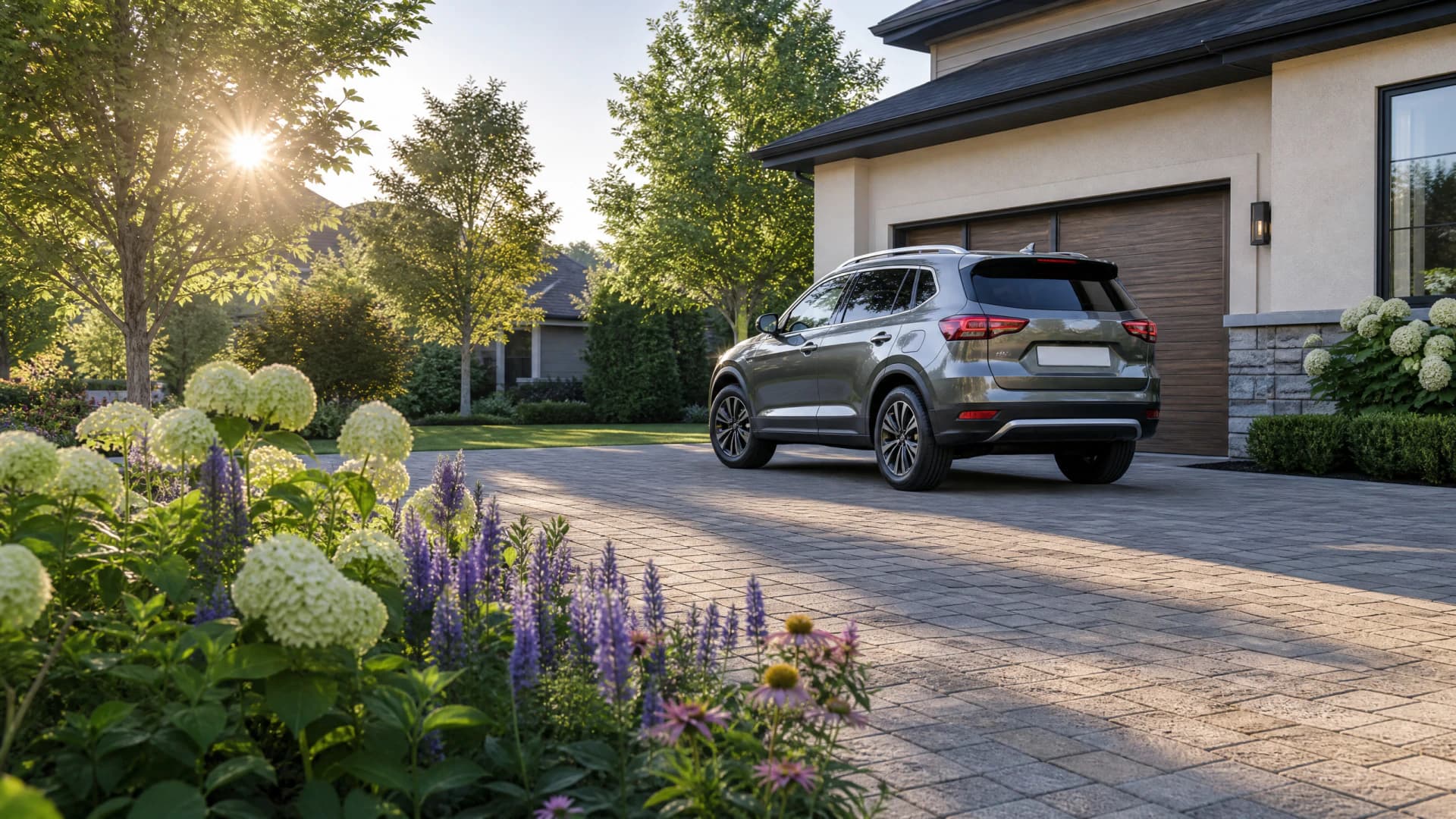
Garage parking discounts are underutilized in Houston despite the city's high vehicle theft and hail damage rates. Cars parked in enclosed garages overnight qualify for 5–15% discounts on comprehensive coverage. Given that comprehensive claims in Houston — driven by catalytic converter theft, flooding in low-lying areas near bayous, and frequent severe thunderstorms — run 30% higher than the Texas average, garage parking can materially reduce both premiums and out-of-pocket risk. If you have garage space you're not using for vehicle storage, the discount often justifies clearing it out.
Affinity group discounts through AARP, retired employee associations, alumni groups, and professional organizations stack with other reductions. AARP members get dedicated discounts through The Hartford (8–10%) that combine with mature driver course savings. Retired educators, medical professionals, and engineers often have access to group programs through legacy professional associations. Houston's large population of NASA retirees, energy sector professionals, and Texas Medical Center employees should check whether their former employers maintain group insurance relationships — these often persist into retirement and can save 5–12%.
See What Drivers Over 65 Are Paying Now
See If You Qualify for Discounts
When to Drop Full Coverage on a Paid-Off Vehicle in Houston
The conventional wisdom — drop collision and comprehensive when your vehicle's value falls below 10 times the annual premium — needs Houston-specific adjustment. The city's higher comprehensive claim frequency (hail, flooding, theft) means you may want to retain comprehensive coverage longer than you would in other Texas markets, even after dropping collision. A paid-off 2015 Honda Accord worth $8,000 might carry a $600 annual collision premium but only $180 for comprehensive. Dropping collision while keeping comprehensive captures most of the savings while maintaining protection against Houston's weather and theft patterns.
Collision coverage becomes harder to justify once vehicle value drops below $5,000–$6,000. If your car is worth $5,000 and your collision premium is $480 per year with a $1,000 deductible, the maximum claim you could receive is $4,000 ($5,000 value minus $1,000 deductible). Over three years you'd pay $1,440 in premiums for that limited protection. Most financial advisors suggest self-insuring collision losses at this threshold if you have $3,000–$5,000 in accessible savings to cover a replacement vehicle if needed.
Comprehensive coverage remains cost-effective longer in Houston. With annual premiums typically $150–$250 for older vehicles and no deductible on windshield claims (a Texas-specific benefit that matters given Houston's rock-chip frequency), comprehensive often pencils out until vehicle value drops below $3,000. The wildcard is flooding: if you live in a FEMA flood zone or an area with a history of bayou overflow — Meyerland, Braeswood, parts of Memorial — comprehensive coverage protects against total loss from water damage that standard homeowners insurance won't cover. Evaluate your specific flood risk using Harris County Flood Control District maps before making this decision.

Medical Payments Coverage and Medicare Coordination for Houston Seniors
Texas does not require medical payments (MedPay) or personal injury protection (PIP) coverage, leaving the decision to policyholders. For senior drivers on Medicare, this creates a coordination question most insurance agents don't address clearly: Medicare covers accident-related injuries, but it doesn't cover deductibles, co-pays, or treatment Medicare doesn't approve. MedPay fills those gaps and covers passengers in your vehicle who may not have Medicare.
A typical MedPay policy in Houston costs $40–$80 annually for $5,000 in coverage. It pays regardless of fault and covers ambulance transport, emergency room treatment, follow-up care, and out-of-pocket costs Medicare doesn't cover. For Houston seniors, this matters particularly on high-speed corridors where accident severity runs higher: I-45, the West Loop, US-290. A serious collision can generate $2,000–$5,000 in Medicare deductibles, co-insurance, and non-covered treatments. An $80 annual MedPay premium that covers those costs is actuarially sound insurance.
The passenger protection angle is often overlooked. If you regularly drive a spouse, friend, or grandchild and an at-fault accident injures them, your liability coverage protects you from their lawsuit but doesn't pay their medical bills directly. MedPay covers passengers in your vehicle up to the policy limit regardless of who caused the accident. For senior drivers who frequently transport others — church groups, grandchildren, neighbors to medical appointments — $5,000–$10,000 in MedPay coverage provides both financial protection and peace of mind for relationships liability coverage can't preserve.
How to Audit Your Current Coverage and Claim Missing Discounts
Start by requesting a full declaration page and discount summary from your current Houston insurer. You want line-item detail: which discounts are currently applied, when they were last verified, and which programs you may qualify for but haven't enrolled in. Most carriers provide this through online account portals, but calling and specifically requesting a "discount eligibility review" often surfaces options the automated system doesn't flag. Document the date of your request and the representative's name — follow-up matters if promised discounts don't appear at next renewal.
If you haven't taken a mature driver course in the past three years, that's your first priority. Enroll in an approved Texas course within 30 days and submit your completion certificate immediately. Carriers typically apply the discount within one billing cycle, and it's retroactive to the date you completed the course — if you finish on March 15 and your renewal is April 1, you get the discount from March 15 forward, not the next renewal period. This timing detail can save an extra two to six weeks of premiums.
Next, document your annual mileage. Check your odometer against maintenance records from the past 12 months to calculate actual miles driven. If you're under 8,000 miles annually, contact your insurer about low-mileage programs or research pay-per-mile options from Mile Auto or Metromile. Run the comparison with your current premium in hand — savings projections on carrier websites often assume higher base rates than you're actually paying. Finally, review your comprehensive and collision coverage against current vehicle values. If your car's value has declined significantly since you last adjusted coverage, request quotes for higher deductibles or dropping collision entirely. For drivers in Texas markets outside Houston, rate structures and discount availability may differ based on regional claim patterns and competition levels.
Frequently Asked Questions
Do I automatically get senior driver discounts when I turn 65 in Texas?
No. Texas carriers are not required to automatically apply mature driver discounts at age 65 or any renewal. You must complete an approved defensive driving course and submit proof to your insurer to claim the 5–10% discount. The discount lasts three years, after which you must retake the course to maintain eligibility.
How much can low-mileage programs save Houston senior drivers who don't commute?
Senior drivers logging 6,000 miles or fewer annually typically save 15–30% through low-mileage programs with telematics tracking. Pay-per-mile insurance can save $300–$600 per year for drivers under 7,000 miles. Actual savings depend on your current premium and how far below average your mileage falls.
Should I keep comprehensive coverage on a paid-off older car in Houston?
Houston's high hail, flooding, and theft rates make comprehensive coverage cost-effective longer than in other cities — often until vehicle value drops below $3,000. Annual premiums of $150–$250 protect against total loss from weather and theft that remains financially significant even on older vehicles. Evaluate your specific flood risk and garage parking situation before dropping coverage.
Does Medicare cover all my medical costs after a car accident in Houston?
Medicare covers accident-related medical treatment but not deductibles, co-insurance, or services Medicare doesn't approve. Medical payments coverage (MedPay) fills these gaps for $40–$80 annually and covers passengers in your vehicle. For Houston seniors, $5,000 in MedPay coverage addresses out-of-pocket costs from serious accidents on high-speed corridors.
Can I combine multiple senior discounts with the same Houston insurer?
Yes. Mature driver course discounts, low-mileage programs, garage parking discounts, and AARP or affinity group reductions typically stack. A Houston senior driver with a clean record could combine 10% mature driver, 15% low-mileage, 8% AARP, and 10% multi-car discounts for cumulative savings of 35–40%. Each discount must be verified and claimed separately.
Related Articles

Convert Joint Auto Insurance After Spouse Dies | Wisconsin
4/29/2026

Oregon License Renewal at 85: Testing & Insurance Impact
4/29/2026

MO License Renewal at 75: Tests, Restrictions & Rates
4/29/2026

Surviving Spouse Auto Insurance in Colorado: Transfer Rules
4/29/2026

Car Insurance After 70: Lower Rates Despite Increases
4/1/2026
Spouse Died in Hawaii: Convert Joint Auto Policy
4/29/2026