Best Collision Deductible Amount for Seniors
The right deductible depends on what you can pay out of pocket if you file a claim, not on your age.
Free to compare
There's no deductible amount that's best for every senior driver
A collision deductible isn't set by age. It's a choice you make based on how much you could afford to pay if you had an accident tomorrow, and how much you want to save on your premium in the meantime. A higher deductible lowers your premium but means more cash out of pocket when you file a claim. A lower deductible costs more upfront but protects you from a big bill after an accident.
For a retired driver on a fixed income, the honest question is whether you have enough set aside to cover a higher deductible without it being a hardship. If you do, raising it can save you money every year you don't file a claim. If you don't, a lower deductible is worth the extra premium.
What you have in savings matters more than your age
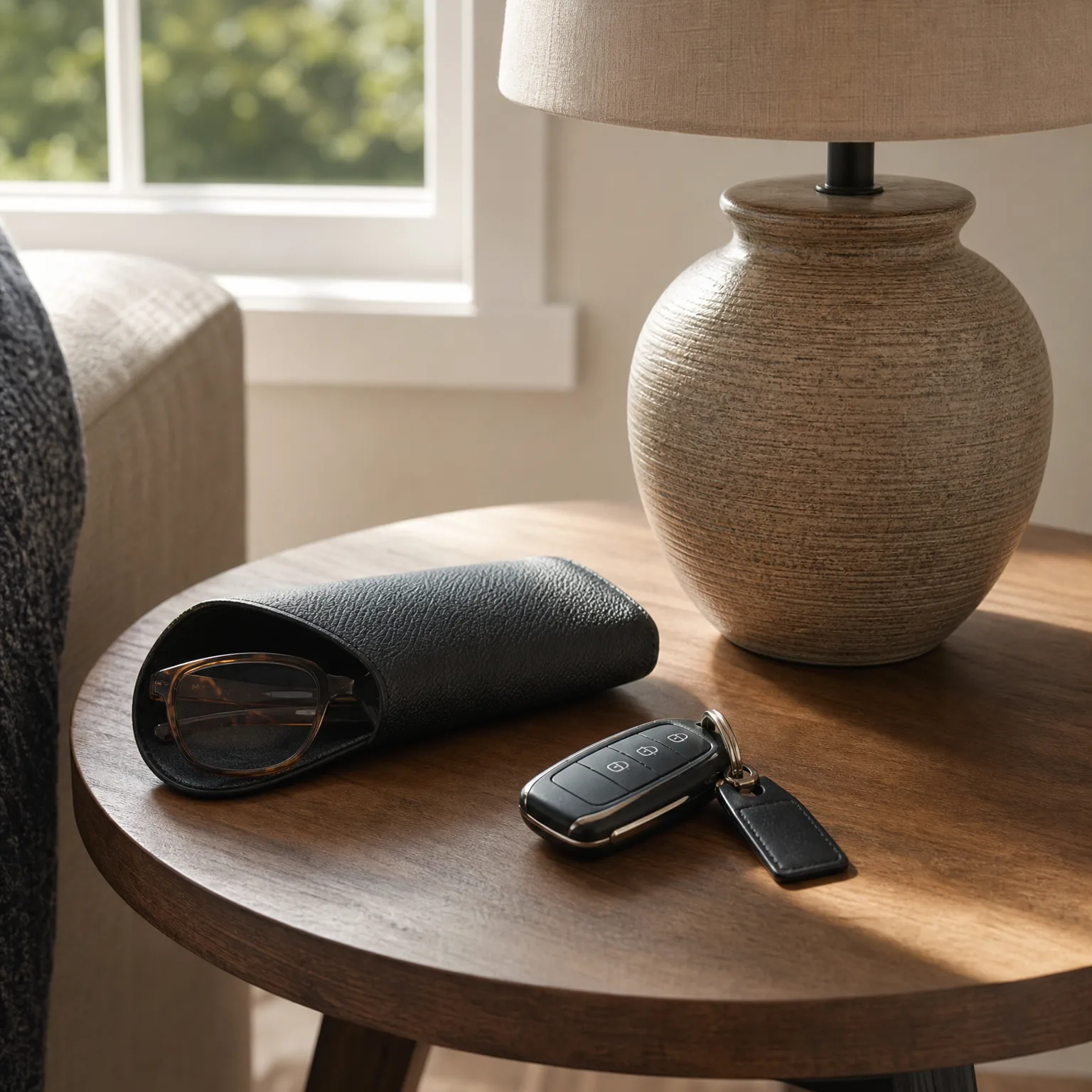
The deductible is what you pay before your insurer pays anything. If your car needs a repair that costs more than your deductible, you cover the difference yourself before coverage kicks in.
If a higher deductible would mean putting the repair on a credit card or skipping other bills that month, it's not saving you money, it's shifting risk you can't absorb. Look at what you actually have available, not what you'd prefer to pay in premium.
Some retired drivers have more set aside now than they did while raising a family or paying a mortgage. If that's your situation, a higher deductible can make sense because you can treat the savings on premium as real savings, not money you'll need back the moment something happens.
If your savings are tighter now, a lower deductible is often the safer choice even though it costs more each year. You're paying for certainty.
How much you drive and what your car is worth also factor in
If you drive less than you used to, your chances of a collision go down, and a higher deductible carries less risk for you than it would for someone driving daily into an office.
Your car's value matters too. If your car is older and worth less, collision coverage itself may cost more than it's worth carrying, deductible aside. Ask your insurer what your car would be worth as a payout if it were totaled, and compare that to what you're paying for collision coverage each year.
If the car is newer or still has a loan against it, your lender may require collision coverage and may set rules about the deductible. Check your loan terms before you change anything.
A good habit is to revisit this choice when your situation changes, not just at renewal. Retiring, driving less, or your car losing value are all reasons to look at the deductible again.
Questions people ask about this
Should I raise my deductible after I retire?
It depends on whether your savings have grown or shrunk since you were working. If you have more set aside and drive less, raising it can lower your premium with less risk. If retirement means a tighter budget, keep the deductible where you can comfortably afford it.
Does a higher deductible affect my ability to file a claim?
No, a higher deductible doesn't change whether you can file a claim, only how much you pay before coverage starts. Some drivers choose not to file a claim at all if the repair cost is close to their deductible, since a claim can affect future premiums.
Can my insurer change my deductible without telling me?
Your insurer has to tell you about changes to your policy terms, including the deductible, usually at renewal. Read your renewal notice closely and ask your insurer directly if something looks different from your last policy.
Is a lower deductible worth it if I rarely drive?
Not necessarily. If you drive rarely, your chances of a collision are lower, which is one reason a higher deductible can make sense for you. The decision still comes down to what you could afford to pay out of pocket if something happened.
Do I need collision coverage at all on an older car?
That depends on your car's value and whether you still owe money on it. If the car is paid off and worth little, the payout from a collision claim may not be much more than your deductible, which is worth checking with your insurer before you decide to keep or drop the coverage.
See what different deductible choices would mean for your premium before you decide.
Pull out your current policy and your most recent renewal notice this week. Call your insurer and ask what your premium would be at a higher and a lower deductible than you have now. Ask what your car is currently valued at for a payout, so you know what you're protecting. Look at your savings and decide honestly what you could pay out of pocket without it being a strain. If your car has a loan against it, check the loan terms for any deductible requirements before you make a change.