Best Time of Year to Shop for Car Insurance
The best time to shop is before your renewal arrives, not after, because that notice already reflects a decision your insurer made without you.
Free to compare
It depends on your renewal date, not the calendar
There is no month when insurers across the board drop their rates. Rates move company by company, based on that insurer's own claims and costs, not the season. So the best time to shop is tied to your own policy, not the time of year.
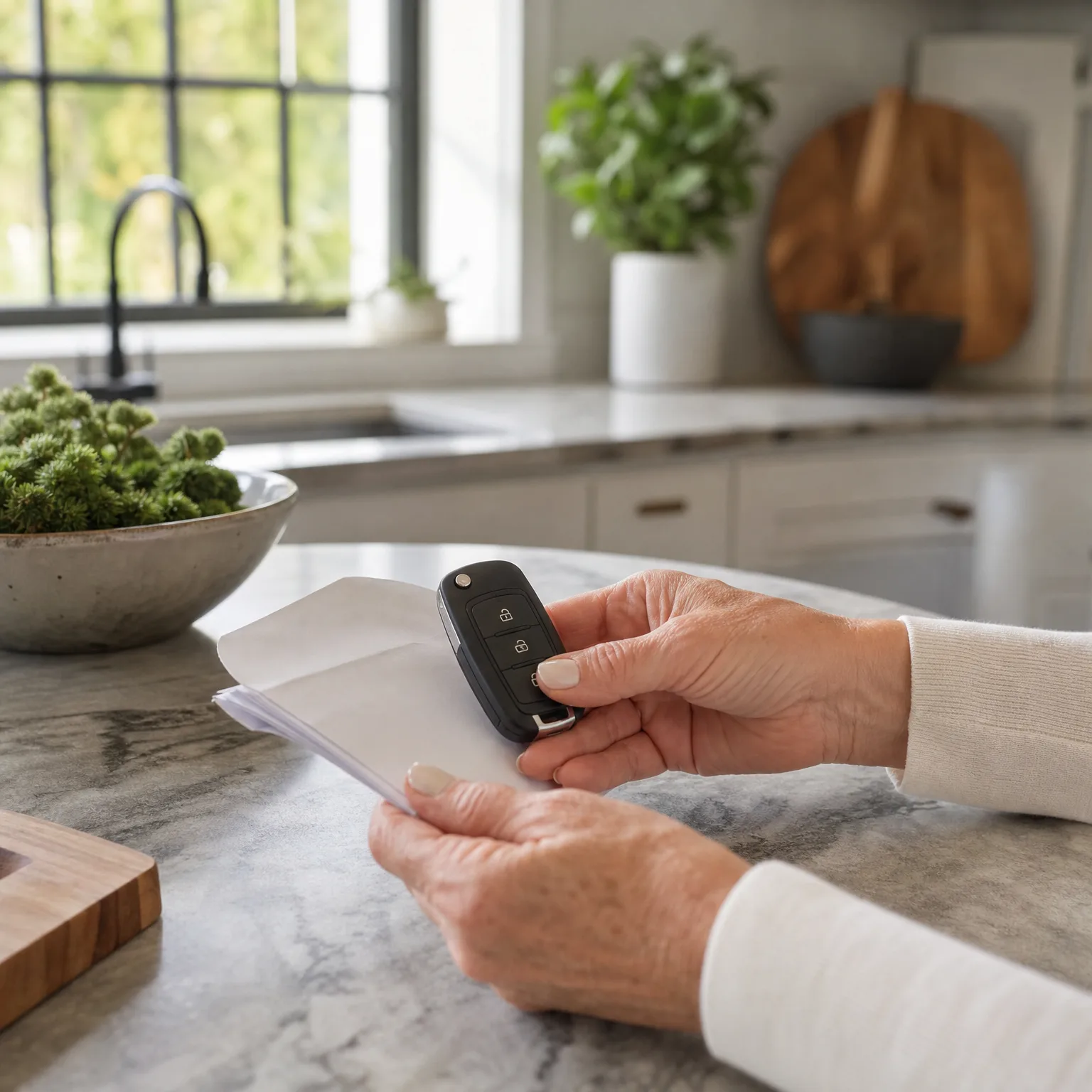
The useful window is the weeks before your renewal date. That is when you can see what your insurer plans to charge you next, compare it against other quotes, and switch before the new rate takes effect. Shopping right after you renew means waiting months to use what you find.

Your renewal notice is the real signal
Watch for the letter or email your insurer sends before your policy renews. It tells you the new premium before you are locked into paying it, usually with enough lead time to get other quotes and compare.
If the new number is higher than what you are paying now, that is your cue to shop, regardless of what month it happens to be. If it is a big jump, ask your insurer directly what changed. Sometimes it is something you can fix, like updating your mileage or your car's security features. Sometimes it is just how that insurer is pricing drivers like you this year, and another insurer may see you differently.
Mark the renewal date somewhere you will actually see it a few weeks ahead. Many people only notice the new rate when the payment comes out of their account, and by then the window to compare and switch before paying it has closed.

A change in your life matters more than a change in the season
Certain events are worth shopping around for immediately, whenever they happen. Retiring and driving fewer miles, moving to a new state, giving up a car, or finishing a driver safety course are all things that can change what you are quoted. None of them depend on the time of year.
If you take a driver safety course, ask your insurer what they need from you to apply any discount. Usually it is the certificate itself, sent in by you, not something that happens automatically.
If your driving has changed, for example you commute less or use the car only for errands, tell your current insurer and ask other insurers to quote you based on that. Some price mileage more carefully than others.
Compare a few insurers whenever one of these changes happens rather than waiting for your renewal date to come around on its own.
Questions people ask about this
How often should I compare car insurance quotes?
Most people benefit from comparing at each renewal, since that is when your insurer sets a new price and you can act on a better quote without a gap in coverage. You can also compare any time your driving, your car, or your address changes, since those are the things insurers reprice around.
Does shopping for car insurance hurt my credit?
Getting quotes does not require the kind of credit check that affects your score. Insurers who use credit-based scoring to help set your price typically use a soft inquiry for that, which does not lower your credit. If you are unsure how a particular insurer checks, ask them directly before you apply.
Will my rate go up just because I am getting older?
Age is one factor among several insurers use, and how much it matters depends on the insurer and the state. Some insurers price older drivers favorably because of their experience, others weigh other things like your driving record or where you live more heavily. The only way to know how a specific insurer treats your age is to get a quote from them.
Should I switch insurers or just ask my current one for a better rate?
Both are worth doing. Call your current insurer first and ask if there is anything that could lower your premium, such as a course discount or a change in mileage. Then compare that number against quotes from other insurers before you decide, since your current insurer has no obligation to offer you their best price unprompted.
Does my driving record from years ago still affect my rate?
Older incidents matter less over time, but exactly how long something stays on your record and affects your rate is set by your state and varies by insurer. Ask your current insurer, or any insurer you are getting a quote from, how far back they look.
See what other insurers would charge you before your current rate renews.
Find your renewal date and mark a reminder for a few weeks before it. When the renewal notice arrives, read the new premium carefully and compare it to what you are paying now. Get quotes from a few other insurers around that same time, using the same coverage limits so the comparison is fair. If you finished a driver safety course or changed how much you drive, mention that to each insurer when you ask for a quote. If one quote comes in lower, call your current insurer and give them the chance to match it before you decide whether to switch.