When to Start the Car Insurance Renewal Process
The best time to start is when you get your renewal notice, not when the new rate takes effect.
Free to compare
Start as soon as the renewal notice arrives
Most insurers mail or email that notice well before the policy renews. That gap is your window. Once the new term starts, you're often locked into the new premium until the next renewal, so shopping after the fact means waiting months for another chance.
Starting early also gives you time to fix things that affect the quote. If your mileage dropped, if you finished a driving course, if a ticket is about to fall off your record, you want that settled before you compare offers, not after you've already renewed at the old rate.
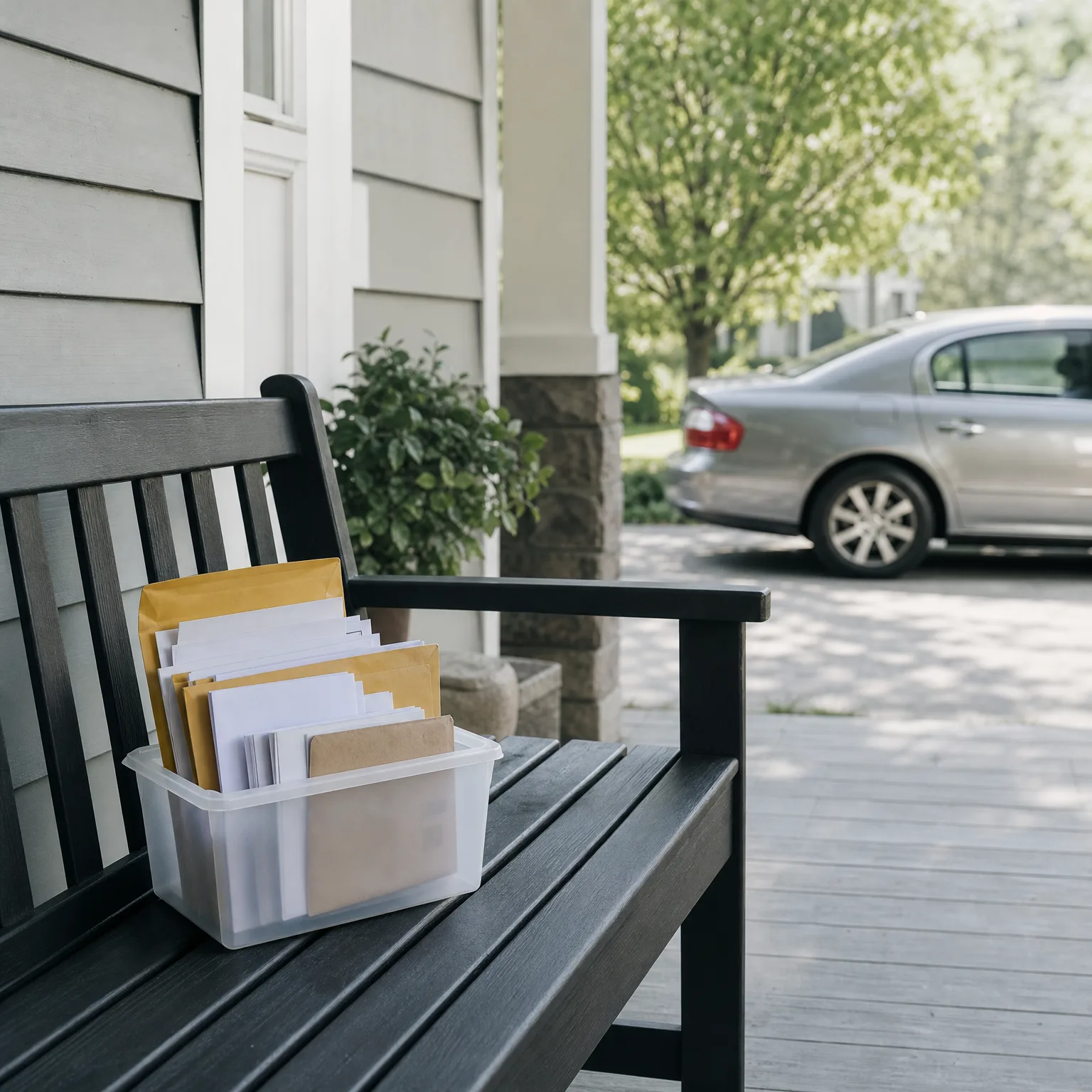
Your current insurer may not warn you about everything that changed
Renewal notices show the new premium, but they don't always explain why it went up. A change in your age bracket, a shift in your insurer's risk calculations, or a claim from a year ago can all move the number without any explanation printed on the notice.
This is worth checking before you decide whether to renew as is. Call your insurer and ask directly what changed from last year. If they can't give you a clear answer, that's useful information too.
Starting the comparison early means you're not deciding under pressure. You have time to call around, ask the same questions of a few companies, and actually weigh the answers instead of accepting the first renewal because the deadline is close.

What most people get wrong about timing
Many drivers wait until the renewal date itself, thinking they can switch at the last minute without a gap in coverage. Sometimes that works. Often it doesn't, because a new policy can take time to set up, and your old one may already be billing you for the new term.
Another common mistake is assuming the renewal notice is the final word. It's usually not. Insurers expect some customers to negotiate or leave, and the quoted renewal price isn't always the best price that insurer would offer a new customer with your exact profile.
If you've had any change in circumstances, a move, a new car, a paid-off loan, a course certificate, bring that up before renewal rather than after. Some of those changes only lower your premium if you report them in time for the new term.
Questions people ask about this
How many days before renewal should I start comparing quotes?
It depends on how quickly your current insurer processes changes and how many companies you want to compare, so starting as soon as the notice arrives gives you the most room. If you wait until the last few days, you may not have time to switch cleanly even if you find a better rate.
Will my coverage lapse if I switch insurers right at renewal?
It doesn't have to, as long as the new policy starts on or before the day the old one ends. Confirm the exact start date with the new insurer and ask your old insurer to confirm the cancellation date, so there's no gap on either end.
Does shopping around hurt my current relationship with my insurer?
No, getting quotes from other companies doesn't affect your existing policy or your record with your current insurer. They won't know you're comparing unless you tell them, and many people use a competing quote simply to ask their current insurer to match it.
Should I wait for a ticket or claim to fall off my record before renewing?
If a ticket or claim is about to age off your driving record, it's worth checking the exact date with your state or your insurer, since that can lower your rate at your next renewal. Ask your insurer how far back they look when pricing your policy, because that lookback period determines whether waiting helps.
What should I have ready before I start getting quotes?
Have your current policy declarations page, your driving record, and details on your car's mileage and any safety features on hand. Insurers asking for the same information will give you quotes you can actually compare side by side.
See what other insurers would charge before your renewal rate locks in.

Pull out your renewal notice and mark the date your current term ends. Call your insurer and ask what specifically changed in your premium this year. Gather your driving record and any course certificates or proof of changes, like lower mileage or a paid-off car loan. Then compare quotes from a few other companies while you still have time to switch without a coverage gap. If your current insurer's renewal price is high, ask them directly whether they can match a lower quote you've received.