Can I Drop or Lower Car Insurance if the Car Is Stored
You can usually drop collision coverage and keep a lower level of protection while the car sits, but your insurer decides what that option looks like and whether you can get back to full coverage without a gap.
Free to compare
Yes, if the car truly isn't being driven
Most insurers let you switch a stored car to what's often called comprehensive-only or storage coverage. This keeps protection against fire, theft, weather and vandalism, but drops collision and liability since the car isn't on the road. It typically costs less than a full policy.
This only works if the car is actually off the road. If anyone drives it, even once, for an errand or to move it to a mechanic, it needs full coverage for that trip. Call your insurer before you stop driving it, not after, so the switch is on record from the right date.

Whether you still need it registered and plated
Some states let you keep a car off the road with a reduced registration status, and insurers often tie their storage option to that. If your state has this kind of status, ask your DMV what it requires and whether your insurer needs proof of it before lowering your coverage.
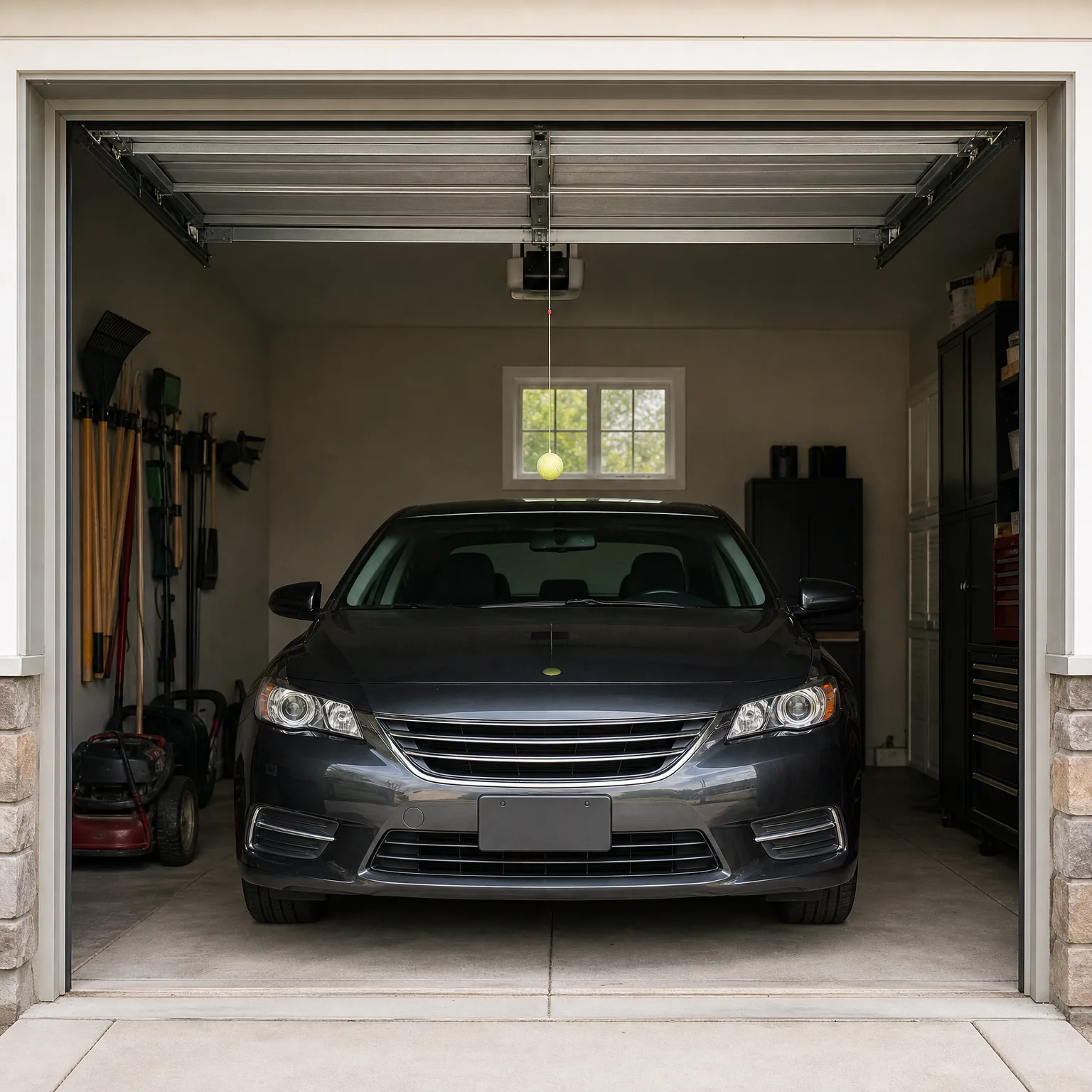
If you keep full registration and tags while the car sits, your insurer may still offer comprehensive-only coverage, but they will want to know the car isn't being driven and where it's kept. A locked garage or a secured lot is a different risk to them than a car parked on the street.
If you plan to put the car back on the road later, ask how the switch back works. Some insurers reinstate full coverage the same day you call. Others want to see the car or confirm nothing has changed before they'll cover collision again.
What your insurer counts as stored
Insurers differ on what qualifies. Some want the car undriven for a set stretch of time before they'll approve the switch. Others just need you to confirm it's parked and give a reason, like a move, a repair, a second car you're not using, or a season you spend elsewhere.
If you're not sure your situation qualifies, ask directly. Don't assume a car sitting in your driveway counts the same as one in a storage facility. The specifics matter to your insurer even if they don't matter to you.
Also ask what happens if the car is damaged or stolen while on the storage option. You want to know exactly what's still covered and what isn't, in writing, before you agree to the change.
Questions people ask about this
Do I still need to register a stored car?
That depends on your state. Some states let you file for a non-operation status that lowers or waives registration fees while the car sits. Others require active registration no matter what. Check with your state's DMV or motor vehicle agency for the exact rule where you live.
Can I cancel my car insurance completely if the car is stored?
You can, but it carries risk your insurer won't cover. If the car is stolen, damaged by weather, or vandalized while you have no policy at all, you pay for it yourself. Comprehensive-only coverage exists for this reason, so most people keep it rather than dropping insurance entirely.
Will my insurance rate go up when I switch back to full coverage?
It depends on your insurer and what changed while the car was stored. If nothing else about your policy changed, many insurers simply restore your previous rate. Ask when you make the switch to storage what the rate will be when you reactivate, so there's no surprise later.
Does a stored car still need a vision test or license renewal check?
Storing a car doesn't affect your driver's license status. Whatever your state requires for renewal, including any vision test or in-person visit, still applies on your normal schedule regardless of whether you're driving that particular car.
What if I only drive the stored car a few times a year?
Tell your insurer the truth about this before you switch. Occasional use usually means you need standard coverage, not a storage policy, even if the car sits most of the year. Ask about a low-mileage discount instead, which is built for exactly this situation.
See what other insurers would charge to cover a car you're not driving every day.
Call your current insurer this week and ask specifically what their storage or reduced-coverage option requires, including how they define stored and what proof they need. Have your registration status and where the car is kept ready to describe. Ask what happens to your rate when you switch back to full coverage, and get that answer in writing or saved in an email. While you're at it, get a quote or two from other insurers for the same stored-car coverage, since the rules and the savings vary by company. Don't cancel anything until the new coverage is confirmed and active.