Do You Really Need Car Storage Insurance
If a car won't be driven for a while, dropping to a lower coverage level usually makes more sense than dropping coverage altogether.
Free to compare
You usually don't need to cancel coverage, but you may be able to lower it
Most drivers who park a car for the season don't need a special storage policy. What they usually want is to drop liability and collision while keeping comprehensive, since comprehensive covers fire, theft, falling branches, and other damage that can happen even when a car never leaves the garage.
Whether you can do this depends on your lender and your state. If the car is financed or leased, the lender likely requires continuous full coverage, and dropping collision could put you in breach of that agreement. If the car is paid off, the choice is yours, and comprehensive-only coverage costs less than carrying everything.
Whether the car is financed changes what you're allowed to do
A car you own outright gives you the most room to adjust coverage. You can drop liability and collision for the months it sits unused and keep only comprehensive, since you're not required to carry anything beyond what your state mandates for a car that's actually being driven.
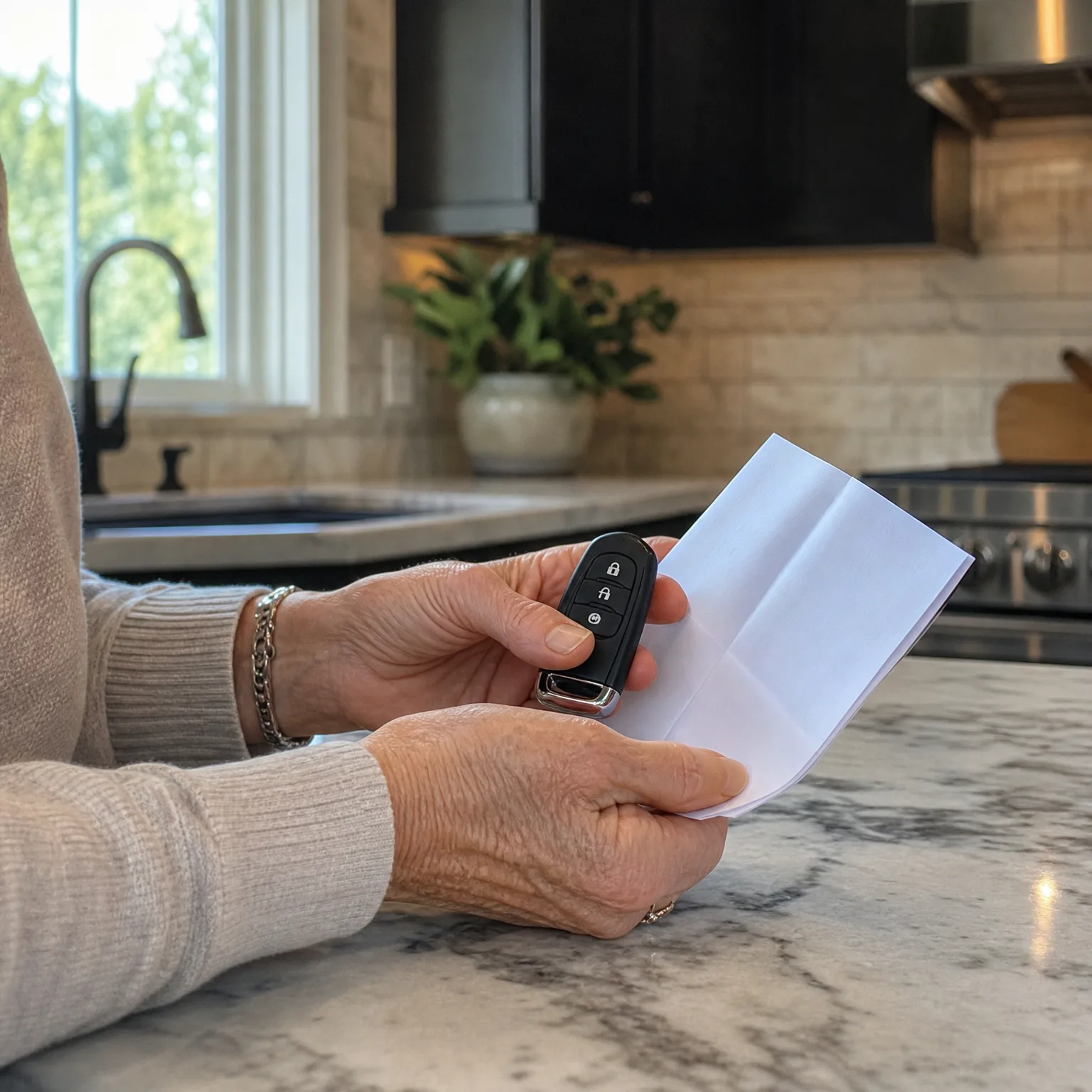
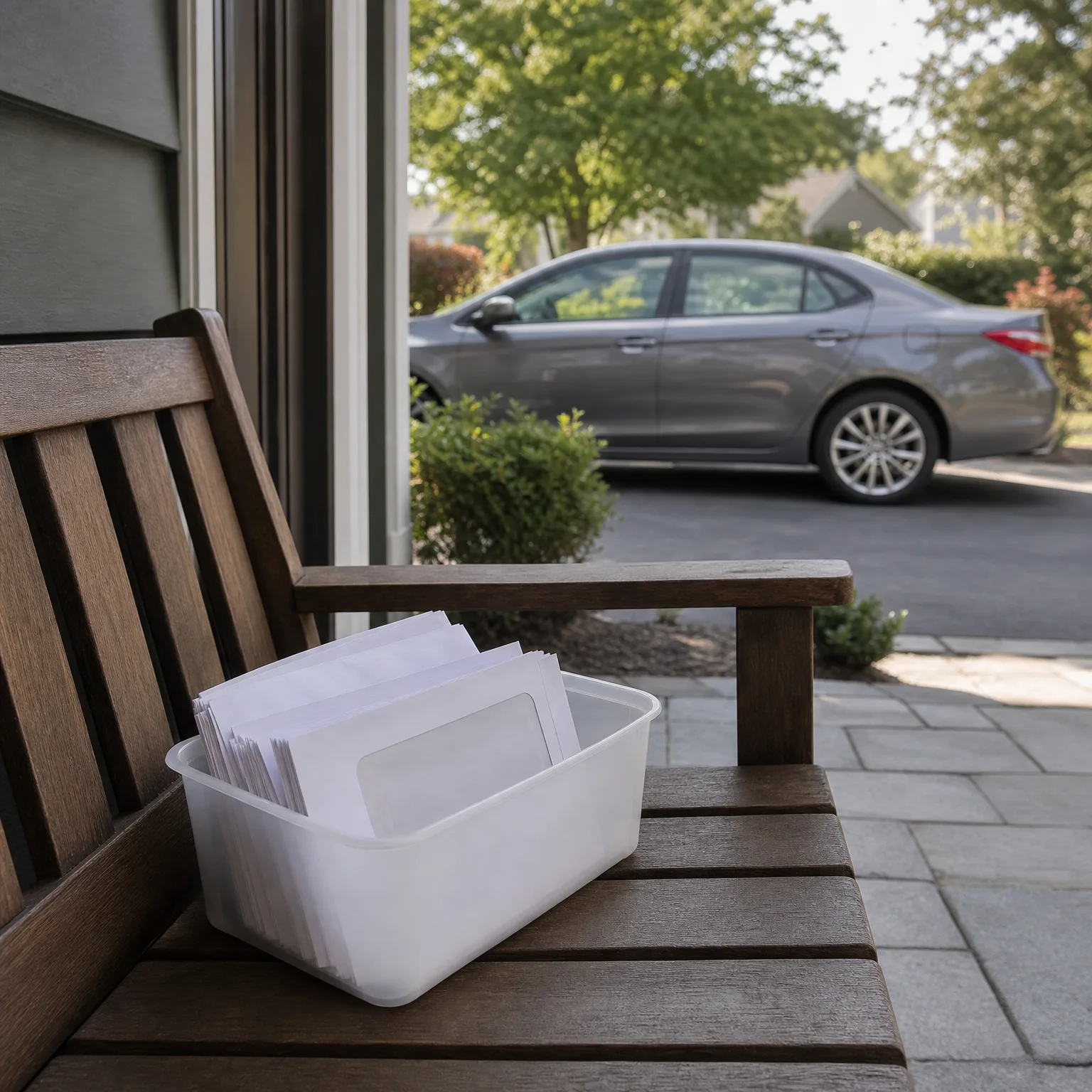
A financed or leased car is different. The loan or lease agreement almost always requires you to carry full coverage for as long as you owe money on it, whether the car is being driven or not. Dropping collision on a financed car without checking first risks violating that agreement, and some lenders monitor this and will add their own expensive coverage if they notice a lapse.
Before changing anything on a financed vehicle, call the lender and ask what the loan agreement actually requires. Get the answer in writing if you can, since this is the kind of thing that matters later if there's a claim.
Where the car sits matters as much as whether it's driven
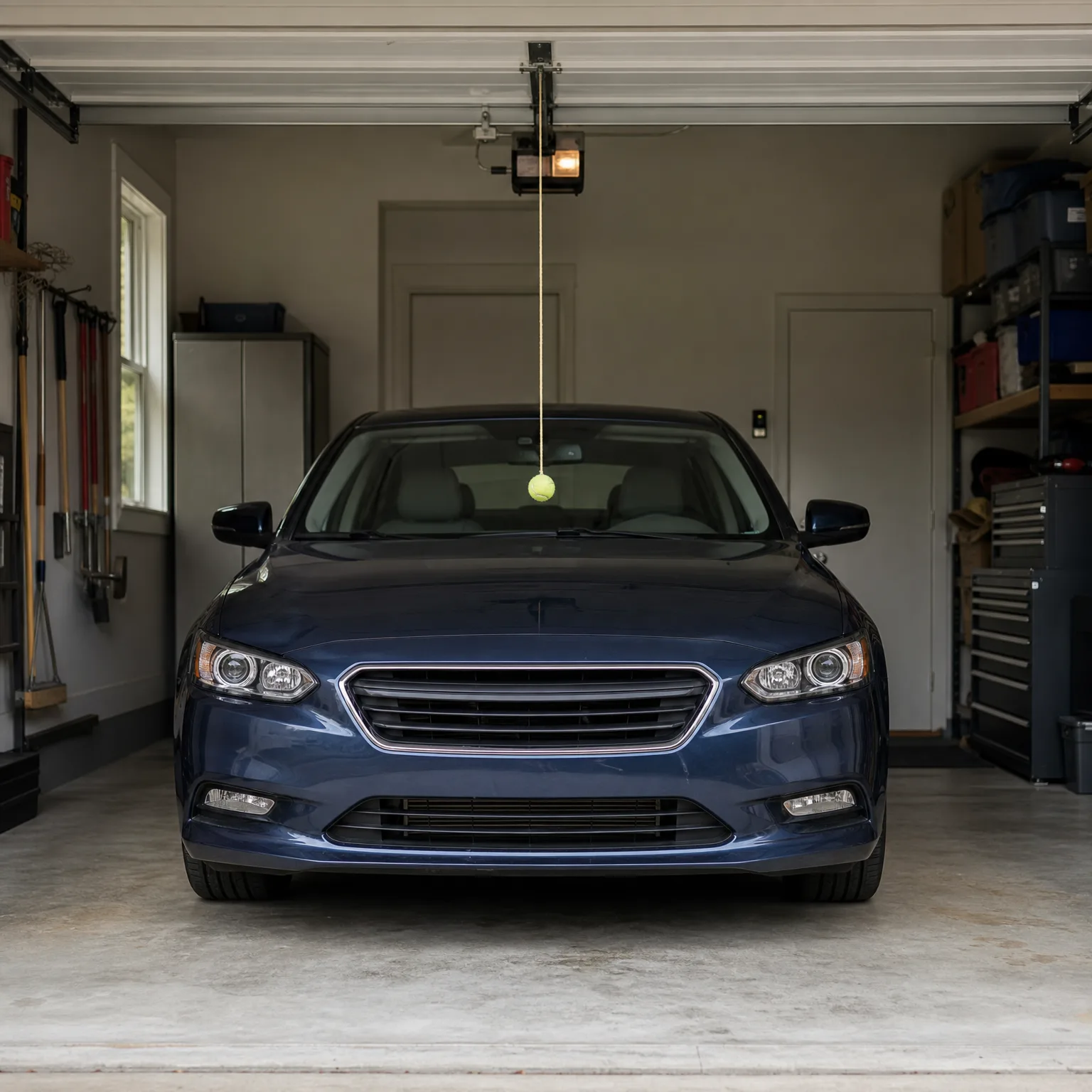
Comprehensive coverage is the part that protects a parked car, and what it protects against depends on where the car actually sits. A car in a locked garage faces less risk of theft and weather damage than one parked on the street or in an open lot, and some insurers ask where the car is stored before adjusting a quote.
If you're storing the car somewhere new, like a storage facility rather than your own driveway, tell your insurer. Some policies have conditions tied to where the car is normally kept, and an address that doesn't match what's on file can complicate a claim.
Registration is a separate question from insurance, and some states let you suspend registration while a car is stored without canceling insurance entirely. Your state's motor vehicle agency can tell you whether that applies and whether insurance is still required while registration is suspended.
Questions people ask about this
What is comprehensive-only coverage called?
Insurers usually just call it comprehensive coverage, not a separate storage policy. You ask to drop liability and collision while keeping comprehensive, and the insurer adjusts the policy from there rather than issuing a different kind of coverage.
Can I cancel insurance completely while my car is stored?
You can if the car is paid off, not financed or leased, and your state doesn't require continuous coverage to keep it registered. Check with your state's motor vehicle agency first, since letting insurance lapse can affect your registration and your rates later even if the car never leaves the garage.
Will dropping coverage affect my insurance rate later?
It depends on the insurer. Some count a lapse in coverage against you when you reinstate the policy, even if the car was simply parked and not in use. Ask your insurer directly what happens to your rate and your coverage history if you drop down or cancel for a period.
Does comprehensive coverage protect against a dead battery or flat tire from sitting too long?
No. Comprehensive covers things like theft, fire, vandalism, and weather damage, not mechanical issues that come from a car sitting unused. Battery and tire problems from storage are considered maintenance, not something any car insurance policy covers.
Do I need to tell my insurer the car isn't being driven?
Yes, if you want your mileage or usage reflected accurately. Insurers that offer lower rates for low mileage usually need you to report the change, and not reporting it could mean you're paying for coverage based on driving that isn't happening.
See what comprehensive-only coverage would cost compared to what you're paying now.
Start by checking your loan or lease paperwork, or calling your lender, to find out whether you're required to carry full coverage for as long as you owe money on the car. Then call your insurer and ask what it would cost to drop to comprehensive-only coverage for the months the car sits unused, and whether doing so affects your rate when you add coverage back. Ask where the car needs to be stored for that coverage to apply, especially if it's going into a storage facility rather than staying at your home. Separately, check with your state's motor vehicle agency about whether you can suspend registration during storage and whether insurance is still required while it's suspended. Keep notes on what each agency tells you, since the answers matter if you ever need to file a claim.