What Car Insurance Coverage a Stored Car Needs
A stored car still needs some coverage, but usually not the full policy you'd carry while driving it.
Free to compare
Comprehensive-only coverage is usually the right fit
If a car isn't being driven, you generally don't need liability or collision coverage on it. What you still want is comprehensive, sometimes called
Whether the car is driven at all changes everything
The moment the car leaves the garage, even for a short drive to get it inspected or to move it to another storage spot, it needs full coverage for that trip. Comprehensive-only coverage doesn't protect you in a crash, and it doesn't satisfy the state's requirement to carry liability on a car that's operated on public roads.
Some owners plan to start the car occasionally or take it out a few times a year. If that's the plan, talk to your insurer before you drop coverage down. Ask whether they offer a way to add liability back temporarily, or whether you need to keep the full policy in place for those occasions.
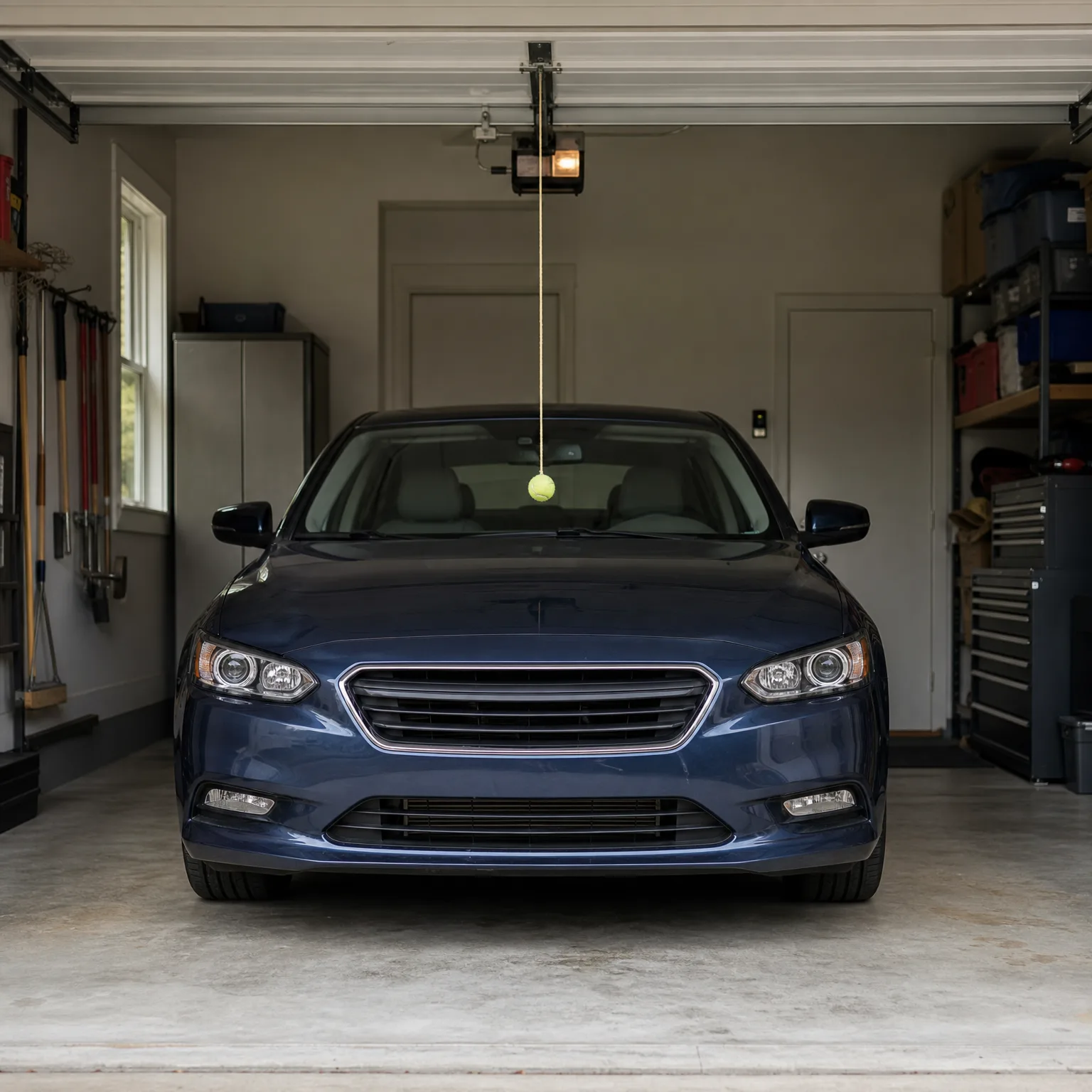
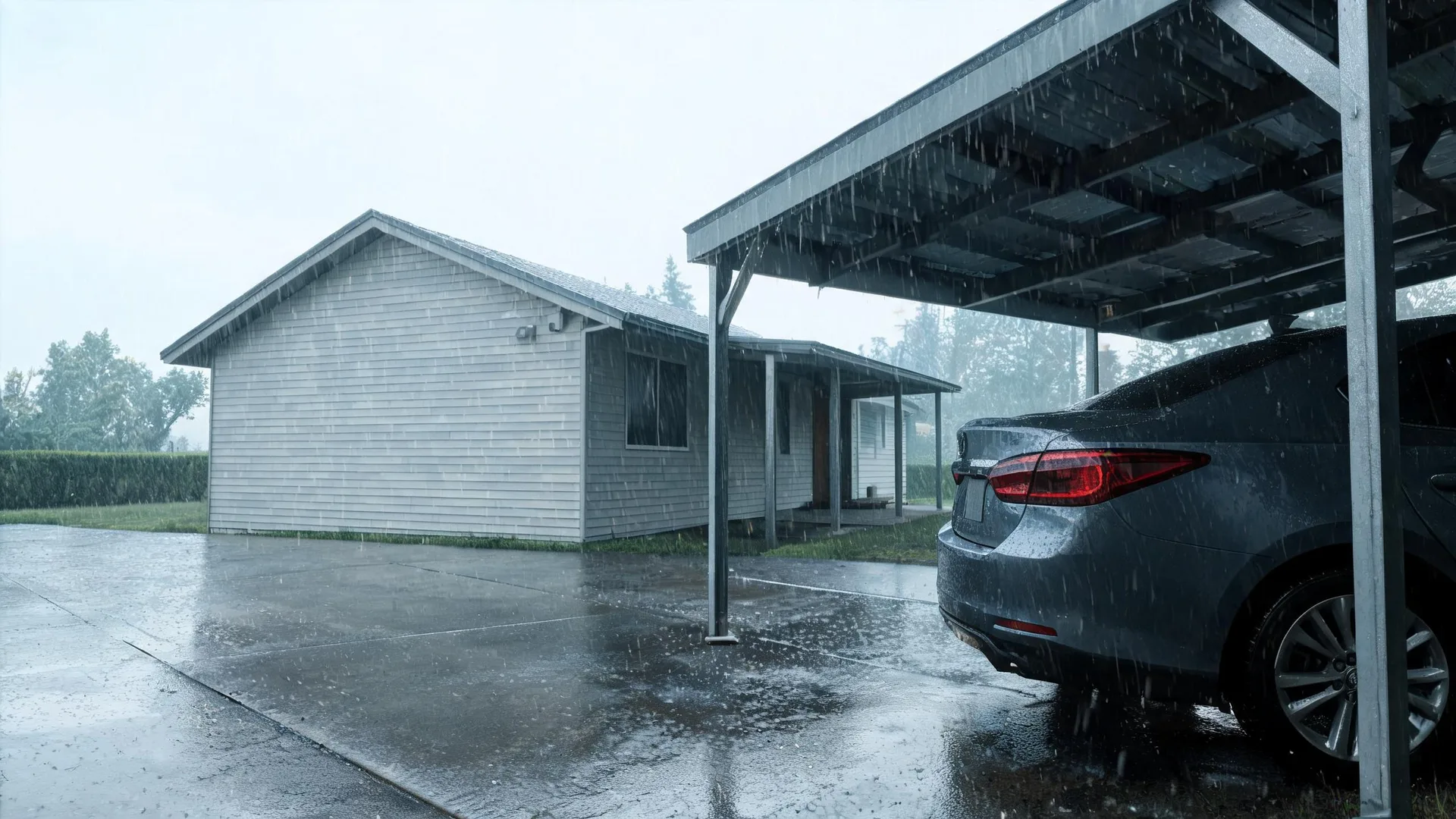
If the car is truly not moving at all, sitting in a garage, under a cover, or in storage with the battery disconnected, comprehensive-only is built for exactly that situation. It covers theft, fire, vandalism, falling objects, and weather damage, which are the real risks a parked car faces.
Check your policy for how it defines storage. Some insurers want the car off the road entirely, with no exceptions, to qualify for the reduced coverage.
What your lender or lease requires can override your own plan
If the car is financed or leased, the lender usually requires you to carry comprehensive and collision for as long as you owe money on it. You can often drop liability, but you likely can't drop collision without violating the loan agreement, even if the car never moves.
Check your loan or lease paperwork, or call the lender directly, before you change anything. Letting required coverage lapse can trigger a force-placed policy from the lender, which costs more and covers less than what you'd choose yourself.
If the car is paid off, you have more room to decide. You could choose comprehensive-only, or in some cases drop coverage entirely and rely on your state's rules about uninsured, unregistered vehicles kept off the road. That second option usually means deregistering the car too, which is its own process through your state's DMV.
Either way, tell your insurer in writing what you're doing and why. A verbal mention during a renewal call isn't the same as having the change documented on your policy.
Questions people ask about this
Do I need to cancel my registration if I store my car?
It depends on your state. Some states let you keep a car registered while uninsured only if you've filed a formal notice that it's not being driven, while others require you to turn in your plates. Check with your state's DMV before you let insurance lapse, since driving an uninsured, unregistered car even once can carry real penalties.
Will my rate go up when I add full coverage back?
That depends on your insurer and how long the car was off the road. Some insurers treat it like any other policy change and price it normally. Others may ask questions about the gap in coverage. Ask your insurer directly how they'll handle the switch back before you need it.
Does comprehensive-only coverage protect against theft of parts or the whole car?
Yes, comprehensive coverage is what pays out if the car itself is stolen or if someone steals parts off it while it's stored. This is one of the main reasons owners keep comprehensive rather than dropping coverage entirely.
Can I store a car in a different state than where it's insured?
This depends on your insurer and sometimes on state law. Moving a car to a different state for storage can affect your rate or even your coverage, since insurance is priced and regulated by state. Tell your insurer where the car will actually be kept.
What happens if something damages my stored car and I don't have comprehensive?
Without comprehensive coverage, you'd pay out of pocket for damage from theft, fire, falling branches, flooding, or similar events. This is the main risk of dropping coverage entirely rather than switching to comprehensive-only.
See what it would cost to switch to storage coverage, or to keep your car fully insured instead.
Call your insurer this week and ask specifically about a parked car or storage endorsement, since not every company calls it the same thing. Have your policy number and the car's VIN ready, along with an honest answer about whether it will be driven at all in the next few months. If the car is financed, pull out your loan agreement first and check what coverage it requires. If you plan to deregister the car, ask your state's DMV what paperwork that involves and whether you'll need a new inspection or title step to put it back on the road later. Get any coverage change confirmed in writing from your insurer before you consider the car covered differently.