Insurance for a Parked Car: What Coverage Do You Need
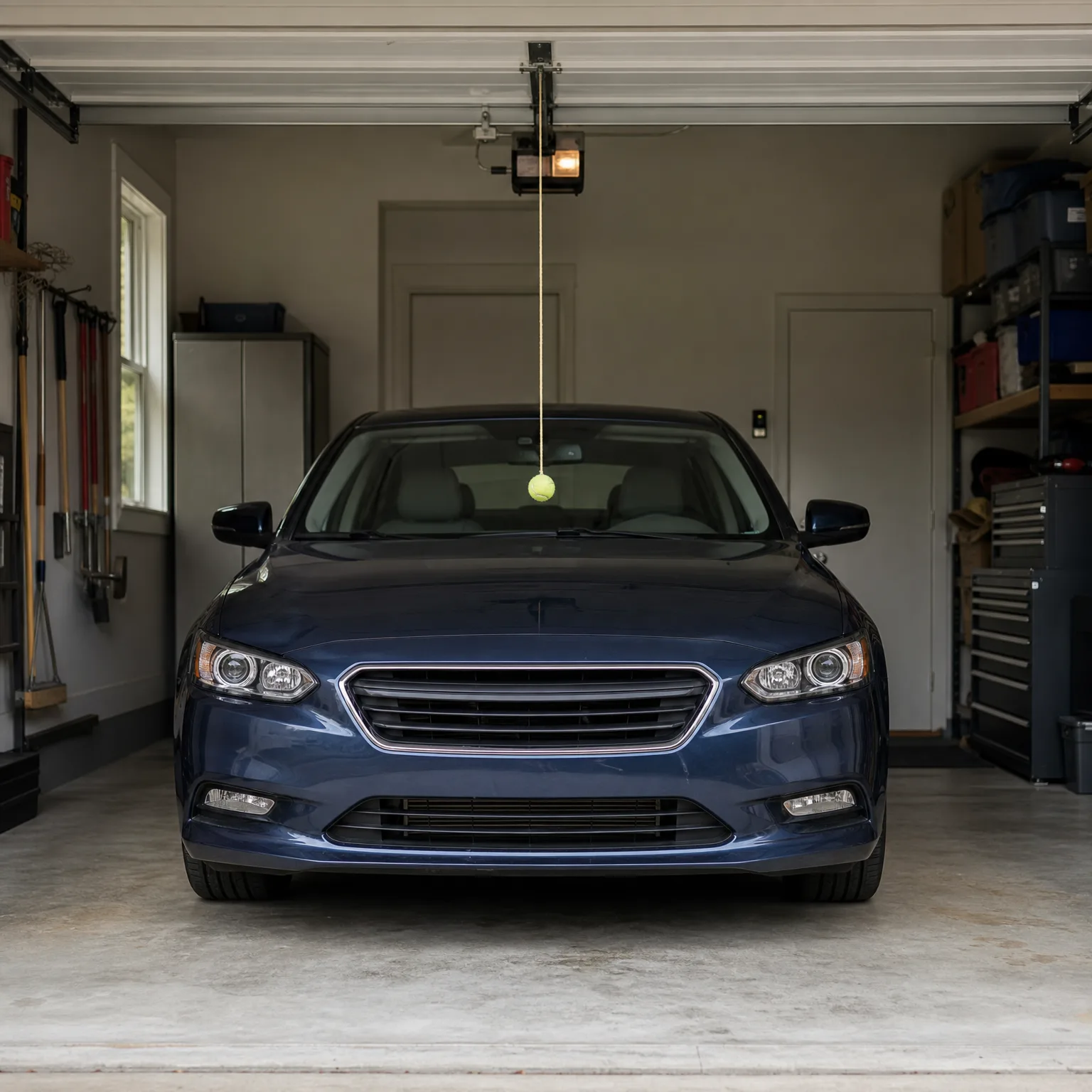
A parked car still needs some coverage, but how much depends on whether you plan to drive it again.
Free to compare
You can usually drop liability but not comprehensive
A car that isn't being driven doesn't need liability coverage, since that only pays for damage you cause to someone else while driving. What it still needs is comprehensive coverage, which pays out if the parked car is stolen, vandalized, damaged by weather, or hit by something while it sits.
Most insurers call this a reduced policy or a storage policy rather than a full cancellation. The car stays insured against the things that can happen to it sitting still, just not against the things that happen while driving it. Whether your insurer offers this, and what they call it, varies, so ask them directly rather than assuming.
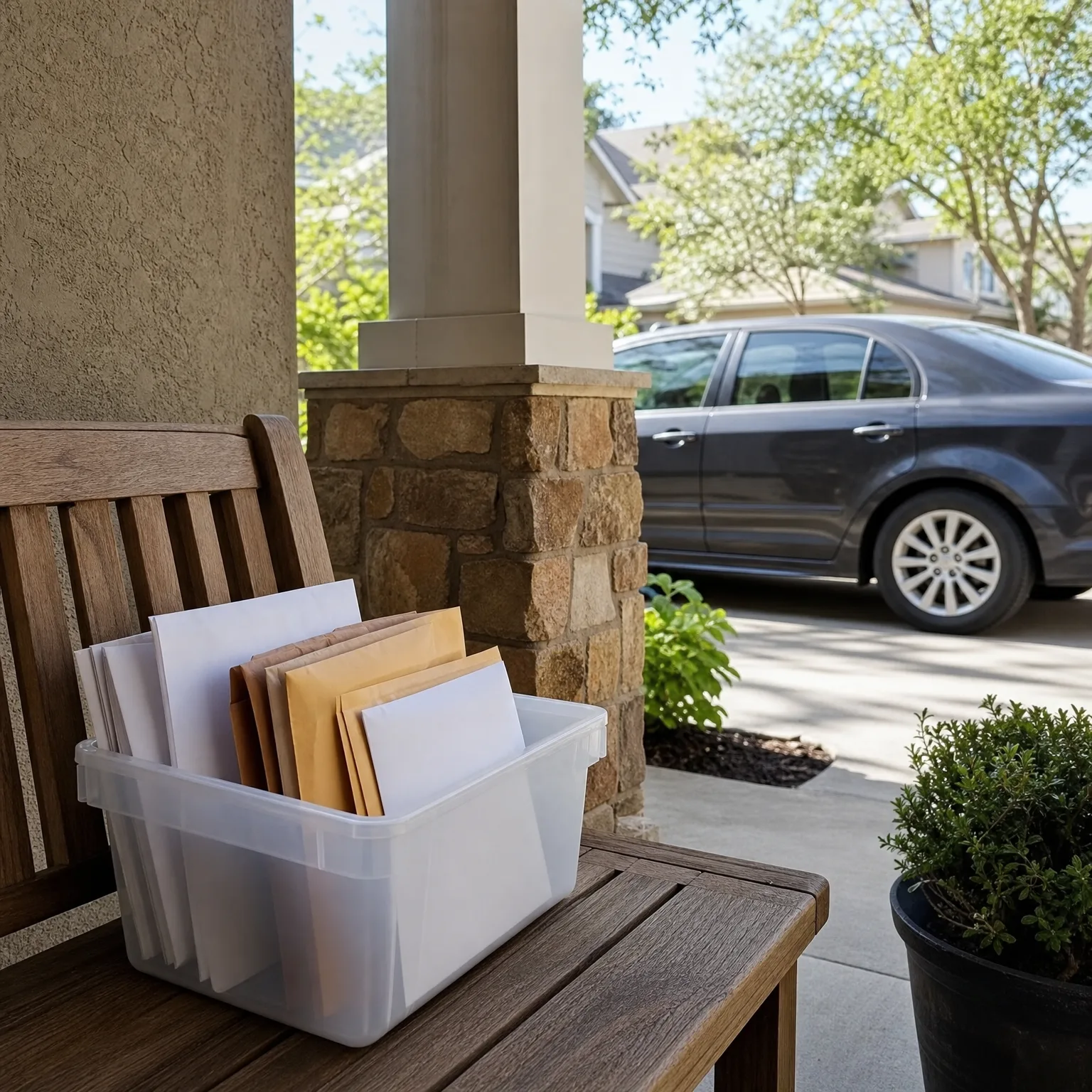
Whether the car is still registered
Most states require continuous insurance as long as a car is registered, even if it never leaves the driveway. Dropping coverage entirely while the registration is active can trigger a lapse notice from the state, sometimes followed by a suspended registration or a fine.
If you want to drop coverage completely, the car usually has to be taken off the road: plates turned in, registration suspended or canceled, depending on what your state calls it. Check with your state's DMV or motor vehicle agency before you cancel anything, since the rule is set at the state level and not by the insurer.
If the car stays registered, the safer move is asking your insurer to switch you to comprehensive-only rather than canceling. That keeps you compliant and keeps the car protected.
Some states also check for an active policy using a database tied to the registration, so a lapse can get flagged automatically even if no one reports it.
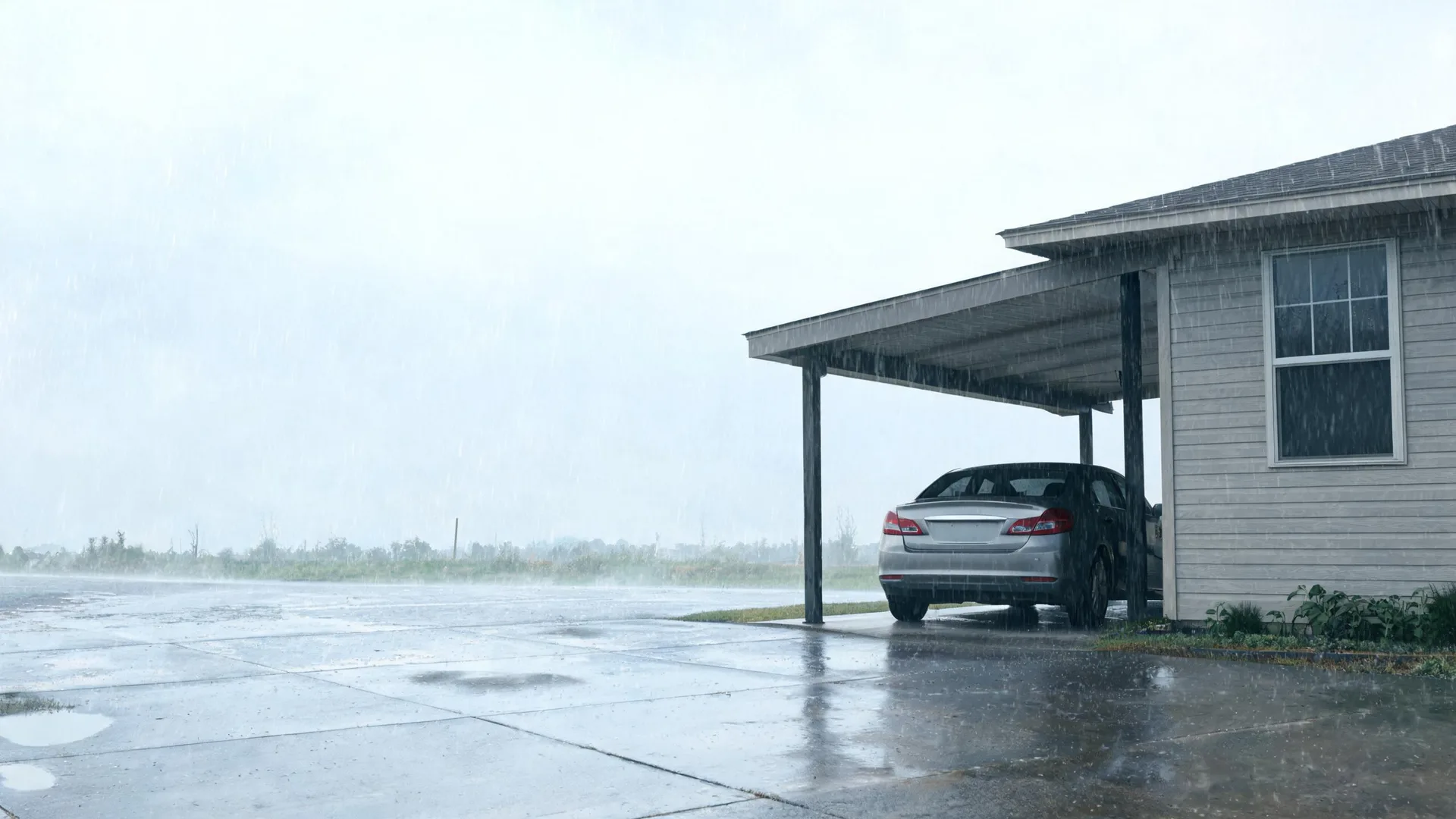
Whether you plan to drive it again
If the car is going back on the road eventually, a gap in coverage can cost you later even if it doesn't cost you now. Insurers look at whether you've carried continuous coverage, and a lapse can mean a higher premium when you reinsure the car, regardless of your driving record.
If the car is gone for good, being sold, given away, or scrapped, then there's no reason to keep paying for comprehensive once the title has actually transferred or the car is no longer yours.
For a car you're storing short term, like over a winter or during a move, comprehensive-only coverage tends to be the better trade. It costs less than full coverage but avoids the lapse that full cancellation creates.
Questions people ask about this
Do I need to tell my insurer if my car is parked long term?
Yes, tell them. Insurers base your premium partly on how the car is used, and a car that's sitting unused may qualify for a lower rate under a storage or reduced-use policy. Not telling them doesn't save you money, it just means you're paying for coverage you don't need.
Can I insure a car that doesn't run?
Usually yes, as long as it's titled and registered in your name, since comprehensive coverage doesn't depend on the car being drivable. Ask your insurer directly, since some have specific rules about cars that have been declared inoperable or salvage.
What happens if my parked car gets stolen with no coverage?
You'd have no way to recover its value, since liability coverage doesn't pay you for your own car and without comprehensive there's nothing covering theft. This is the main reason insurers recommend keeping comprehensive even when a car isn't being driven.
Does a parked car still affect my insurance score?
It can, because insurers often look at your coverage history as a whole, not just the car in question. A lapse on one vehicle may be treated differently depending on the insurer, so ask how they handle multi-car households or secondary vehicles.
Is it cheaper to cancel insurance on a parked car than reduce it?
It depends on how long the car will sit and whether it stays registered. If you'll need the car insured again soon, a lapse can raise what you pay to reinsure it, which can offset or exceed what you'd save by canceling for a short stretch.
See what a comprehensive-only policy would cost compared to keeping full coverage.
Call your insurer and ask specifically about a reduced-use or comprehensive-only policy for a parked car. Have your registration status on hand, since whether the car is still registered will shape what they can offer. If you're thinking about canceling coverage entirely, check with your state's DMV first about what happens to the registration when you do. Ask your insurer how a lapse would affect your rate if you plan to insure the car again later. If the car is being sold or scrapped, wait until the title has actually transferred before you cancel anything.