Is Comprehensive-Only Coverage Enough for a Parked Car
Comprehensive-only coverage can work for a car that stays parked, but only if it truly isn't driven and your lender or state allows it.
Free to compare
Comprehensive-only is enough if the car doesn't go on the road
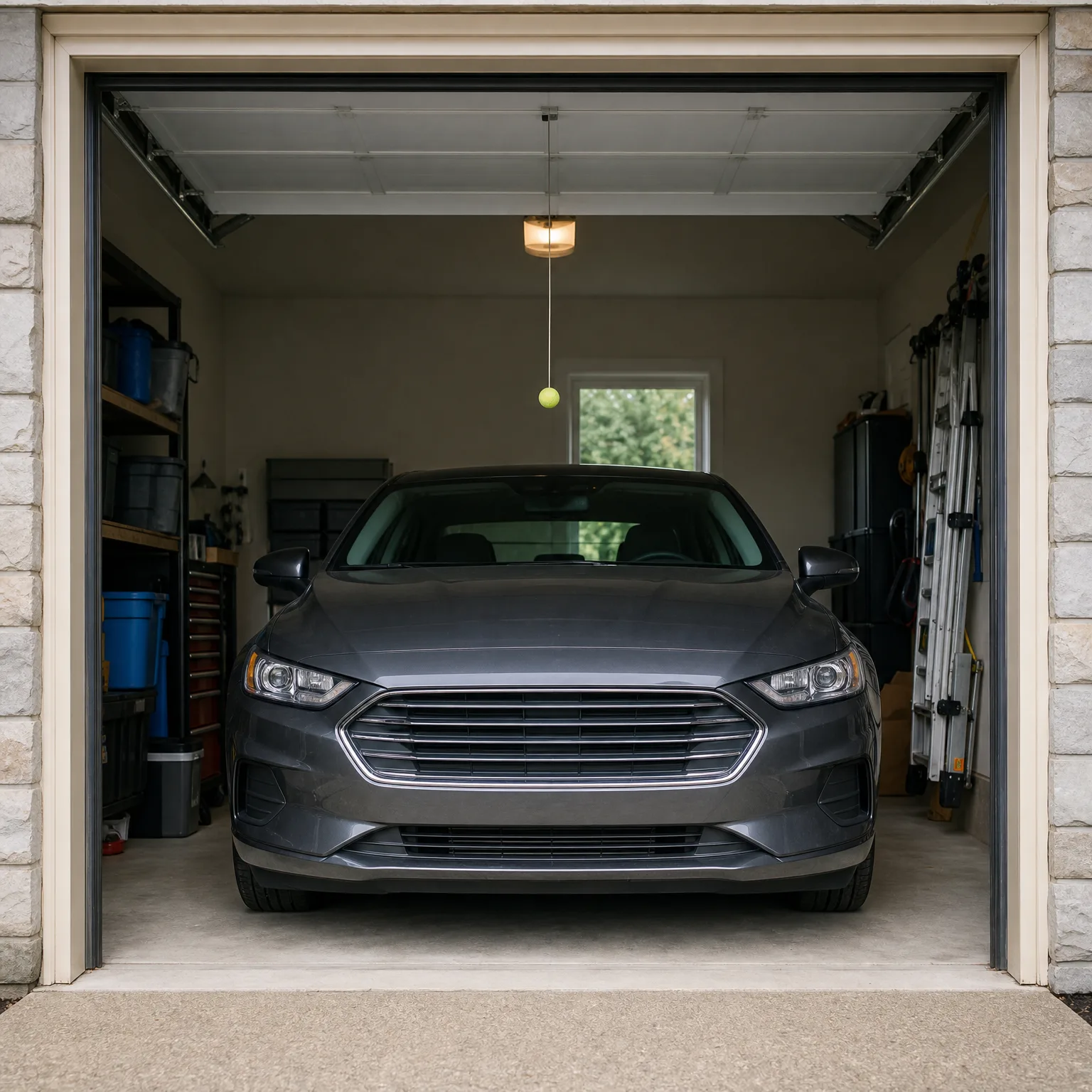
Comprehensive coverage pays for damage from things like fire, theft, hail, vandalism or a falling tree. It doesn't cover a collision, and it doesn't cover any injury or damage you cause to someone else. That's fine for a car that sits in a garage or driveway and never gets driven, because there's no one to hit and nothing to crash into.
The moment that car goes on a public road, even for a short errand, you need liability coverage too. Most states require it to drive legally, and comprehensive-only won't satisfy that requirement. So the real question isn't your age. It's whether the car is actually being driven.
Your state decides whether you can drop liability at all
Some states let you register a car as non-operational or put the plates into storage, and that's usually what allows you to carry comprehensive-only coverage without breaking the law. Other states still expect continuous liability coverage on any registered vehicle, parked or not.
If you're thinking about dropping liability to save money while the car sits, check with your state's motor vehicle agency first. Ask what registration status fits a car that isn't being driven, and whether that status requires you to surrender your plates or file a form before you can legally drop liability.
Some states also fine you or suspend your registration if they find a gap in liability coverage, even if the car never left the driveway. That's a state-by-state rule, so don't assume your situation works like a neighbor's.
Your lender or lienholder may require more than comprehensive
If you still owe money on the car, your loan agreement probably requires full coverage, meaning comprehensive and collision together, for as long as the loan exists. Lenders protect their interest in the car, not just yours, so they often don't care whether the car is parked.
Check your loan paperwork or call your lender before you change coverage. If they require full coverage and find out you dropped collision, they can add their own far more expensive policy to your loan without asking you first.
Once the car is paid off, that requirement goes away and the choice becomes yours and your state's, not your lender's.
Questions people ask about this
Does comprehensive-only coverage protect against theft?
Yes, theft is one of the main things comprehensive coverage is built for. If the parked car is stolen, comprehensive is what pays out, not collision or liability.
Can I switch back to full coverage quickly if I start driving the car again?
Usually yes, but there can be a gap between when you call and when the new coverage takes effect. Call your insurer before you drive the car anywhere, not after.
Will dropping collision coverage lower my premium a lot?
It depends on your insurer, your car, and your driving history, so there's no single answer. Ask for a quote with and without collision so you can see the actual difference for your policy.
Does a parked car still need to pass inspection or renew registration?
That depends entirely on your state. Some states waive inspection for cars registered as non-operational, others still require it, so check with your state's motor vehicle agency.
What happens if someone hits my parked car while it has comprehensive-only coverage?
Comprehensive still covers damage from most parked-car incidents like a falling branch or a hit-and-run, since those fall under comprehensive, not collision. If another driver is found at fault and identified, their liability coverage may also come into play.
See what comprehensive-only coverage would actually cost compared to keeping full coverage.
Pull out your loan documents, if you have any, and check whether full coverage is required while you owe money on the car. Call your state's motor vehicle agency and ask what registration status applies to a car that isn't being driven, and whether that status lets you drop liability coverage legally. Have your VIN and current registration on hand for that call. Once you know what your lender and state actually require, ask your insurer for a quote on comprehensive-only and compare it to what you're paying now. Hold off on canceling anything until you have both answers in writing.